


Acne Treatment in Dubai: Personalized Solutions for Different Skin Concerns
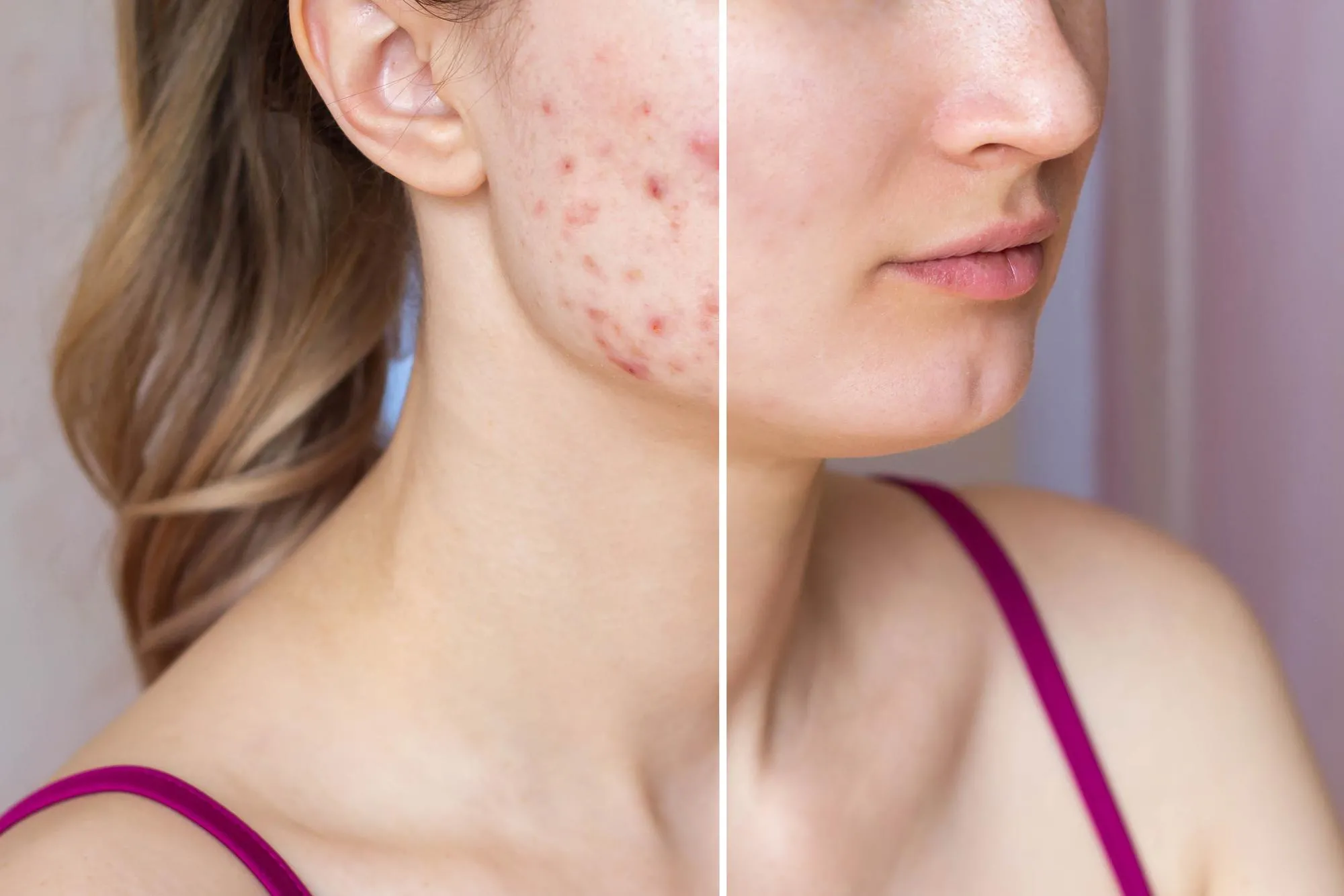
Acne is one of the most common skin concerns affecting teenagers and adults. It can develop in different forms, ranging from occasional pimples and blackheads to persistent breakouts, inflamed spots, and deeper skin lesions. Although acne is often associated with adolescence, many individuals continue to experience it well into adulthood.
Modern dermatology offers several approaches to managing acne, helping individuals improve skin clarity, reduce breakouts, and maintain healthier-looking skin. However, acne does not affect everyone in the same way. Factors such as genetics, hormonal changes, excess oil production, bacteria, inflammation, and skincare habits can influence its development.
Choosing Acne treatment in Dubai involves understanding the underlying causes of breakouts and selecting suitable solutions for individual skin concerns. Some people may need treatments focused on controlling excess oil, while others may require professional care for inflammatory acne, clogged pores, or persistent acne marks.
At Perla Dermatology Clinic, personalised skincare focuses on understanding each patient's skin condition and developing suitable treatment plans. The objective is to address individual concerns, improve skin appearance, and support long-term skin health through professional dermatological care.
Understanding What Causes Acne
Acne develops when hair follicles become clogged with excess oil, dead skin cells, and other debris. These blockages can create an environment where inflammation and acne-causing bacteria contribute to breakouts.
Several factors can influence acne development.
Excess Sebum Production
Sebum is the natural oil produced by sebaceous glands to help maintain skin hydration.
However, excessive sebum production can contribute to clogged pores and acne formation. Individuals with oily skin may notice frequent breakouts, particularly around the forehead, nose, cheeks, and chin.
Clogged Pores
Dead skin cells naturally shed from the skin's surface. When these cells accumulate inside hair follicles and mix with excess oil, pores can become blocked.
This process can lead to blackheads, whiteheads, and other forms of acne.
Bacterial Activity and Inflammation
Cutibacterium acnes is a bacterium naturally found on human skin. When conditions inside clogged follicles encourage its growth, it can contribute to inflammation.
Inflammatory acne may appear as red pimples, pustules, or deeper painful lesions.
Hormonal Changes
Hormonal fluctuations can influence oil production and contribute to acne development.
This is one reason acne may become more noticeable during puberty, menstrual cycles, pregnancy-related hormonal changes, or certain stages of adulthood.
Genetic Factors
Genetics can influence skin characteristics, oil production, and the likelihood of developing acne.
People with a family history of persistent acne may be more likely to experience similar concerns.
Lifestyle and Skincare Habits
Certain skincare products, excessive exfoliation, and habits that irritate the skin may contribute to breakouts.
Stress and sleep disruption can also influence acne in some individuals, although they are not the sole causes of the condition.
Understanding these contributing factors helps dermatologists develop a treatment strategy that addresses individual skin requirements.
Different Types of Acne and Their Characteristics
Acne can appear in several forms. Identifying the type of acne is an important part of selecting an appropriate treatment.
Whiteheads
Whiteheads develop when pores become blocked with oil and dead skin cells. The opening of the pore remains covered, creating small, skin-coloured or whitish bumps.
They are a common form of non-inflammatory acne and may appear across the forehead, nose, chin, and cheeks.
Blackheads
Blackheads are another form of non-inflammatory acne.
They develop when clogged pores remain open at the skin's surface. The dark appearance occurs because of oxidation of the material inside the pore, rather than poor hygiene.
Papules
Papules are small, raised, inflamed bumps that may appear red or pink.
They can develop when clogged follicles become irritated and inflamed.
Pustules
Pustules are inflamed acne lesions that contain visible pus. They commonly appear as red bumps with a white or yellow centre.
Treatment focuses on reducing inflammation and addressing the factors contributing to breakouts.
Nodular Acne
Nodular acne involves deeper, firm, and often painful lesions beneath the skin.
It may require prescription-based treatment and professional dermatological monitoring because deeper inflammation can increase the likelihood of scarring.
Cystic Acne
Cystic acne is a severe inflammatory form of acne that may involve deep, painful lesions.
It can affect multiple facial areas and sometimes the chest and back. A dermatologist may recommend a more structured treatment plan based on its severity.
Why Personalized Acne Treatment Matters
Acne treatment should be selected according to the type of acne, skin condition, and individual medical background.
A product or procedure that helps one person may not be suitable for someone with a different form of acne.
For individuals considering Acne treatment in Dubai, personalised assessment helps determine which treatments may address their specific concerns.
At Perla Dermatology Clinic, an individualised approach considers several important factors.
Skin Type: Oily, dry, combination, and sensitive skin may require different skincare approaches.
Acne Severity: Occasional blackheads require a different treatment strategy from persistent inflammatory or nodular acne.
Breakout Location: Acne may develop on the face, chest, shoulders, and back, and treatment requirements can vary by area.
Previous Treatments: Existing skincare routines and previous acne medications help determine which options may be appropriate.
Acne Scarring and Marks: Some individuals need treatment for active acne, while others are primarily concerned about pigmentation, uneven texture, or scars left behind.
Individual Goals: Treatment plans should consider whether the main objective is reducing active breakouts, improving skin texture, or managing acne-related marks.
This personalised approach supports more targeted care and realistic expectations.
Modern Acne Treatment Options
Modern dermatology provides several options for managing different forms of acne. The selected approach depends on the underlying causes, severity, and individual skin characteristics.
Topical Acne Treatments
Topical medications are commonly used to manage mild to moderate acne.
They are applied directly to the skin and may help reduce clogged pores, inflammation, and bacterial activity.
Common ingredients include:
-
Salicylic Acid: Helps exfoliate inside pores and reduce the accumulation of dead skin cells.
-
Benzoyl Peroxide: Helps reduce acne-causing bacterial activity and inflammatory breakouts.
-
Retinoids: Support skin cell turnover and help prevent clogged pores.
-
Azelaic Acid: May help manage acne and improve the appearance of post-inflammatory pigmentation.
-
Niacinamide: Supports the skin barrier and may help improve the appearance of redness and excess oil.
The concentration and frequency of these ingredients should be selected according to skin sensitivity and individual treatment requirements.
Oral Acne Medications
Some individuals with moderate to severe acne may require oral medication.
Depending on the condition, dermatologists may consider:
-
Oral antibiotics for selected inflammatory acne cases.
-
Hormonal treatments for appropriate patients with hormonally influenced acne.
-
Isotretinoin for certain cases of severe or persistent acne under close medical supervision.
The choice of medication depends on medical history, acne severity, and individual suitability.
Chemical Peels for Acne-Prone Skin
Chemical peels use professionally selected exfoliating ingredients to improve skin texture and address certain acne concerns.
Depending on the formulation, chemical peels may help:
-
Reduce the appearance of clogged pores.
-
Improve uneven skin texture.
-
Address certain superficial acne marks.
-
Support the management of mild acne.
-
Improve overall skin appearance.
Salicylic acid and glycolic acid are examples of ingredients used in different professional peel formulations.
The treatment depth and formulation should be selected according to skin type and acne condition.
Laser and Light-Based Acne Treatments
Certain laser and light-based technologies may be used as part of an acne management plan.
Depending on the technology, these treatments may target selected aspects of acne, such as inflammation, bacterial activity, or associated redness.
They are not suitable for every acne type and may be used alongside other dermatological treatments.
A professional assessment helps determine whether these procedures are appropriate.
Professional Acne Extraction
Comedone extraction involves the controlled removal of selected blackheads and whiteheads by a trained professional.
This approach may be considered for certain types of non-inflammatory acne.
Professional extraction is different from squeezing or picking acne at home, which can increase irritation and contribute to marks or scarring.
Acne Treatment for Different Skin Types
Skin type plays an important role in determining which acne treatments may be suitable.
Acne Treatment for Oily Skin
Oily skin produces more sebum, which can contribute to clogged pores and frequent breakouts.
A suitable treatment approach may include:
-
Gentle cleansing.
-
Salicylic acid-based skincare.
-
Appropriate topical retinoids.
-
Non-comedogenic moisturisers.
-
Professional acne treatments when needed.
The objective is to manage excess oil without excessively drying the skin.
Acne Treatment for Dry Skin
People with dry skin can also experience acne.
In these cases, treatment should address breakouts while maintaining skin hydration and barrier function.
Gentle cleansers, suitable moisturisers, and carefully selected active ingredients may help support the skin.
Acne Treatment for Combination Skin
Combination skin often experiences oiliness in the forehead, nose, and chin, while other areas may feel dry.
A balanced skincare routine should address clogged pores without irritating drier facial areas.
Acne Treatment for Sensitive Skin
Sensitive skin may react more easily to strong exfoliants, fragrances, and certain acne medications.
A gradual treatment approach using suitable ingredients can help reduce unnecessary irritation.
Dermatological guidance is particularly important when selecting stronger acne treatments.
Managing Hormonal Acne
Hormonal acne is commonly associated with changes in androgen activity, which can increase sebum production.
It often appears around the lower face, including the chin, jawline, and lower cheeks.
Some individuals experience breakouts around their menstrual cycle, while others may experience persistent adult acne.
Treatment options may include:
Topical Retinoids: These help prevent clogged pores and support normal skin cell turnover.
Azelaic Acid: This may help address inflammatory acne and associated dark marks.
Hormonal Medication: Selected patients may benefit from prescription hormonal treatments following medical assessment.
Consistent Skincare: A suitable daily routine helps support skin health and maintain treatment progress.
Hormonal acne may require ongoing management because breakouts can return when contributing hormonal factors remain present.
Acne Marks and Scarring: Understanding the Difference
Active acne is not the only concern individuals experience. Breakouts can leave visible changes that remain after the original lesions have healed.
It is important to distinguish between acne marks and permanent scarring because they require different treatment approaches.
Post-Inflammatory Hyperpigmentation
Post-inflammatory hyperpigmentation appears as brown, dark brown, or greyish marks following inflammation.
These marks are caused by increased pigment production and are particularly noticeable in some individuals with darker skin tones.
Treatment may include selected topical ingredients, sun protection, and professional procedures where appropriate.
Post-Inflammatory Erythema
Post-inflammatory erythema refers to red or pink marks that remain after inflammatory acne.
These marks are associated with changes in superficial blood vessels and may gradually become less noticeable.
Atrophic Acne Scars
Atrophic scars appear as depressions or indentations in the skin.
They develop when inflammation damages collagen and supporting skin structures during the healing process.
Different types include:
-
Ice-pick scars.
-
Boxcar scars.
-
Rolling scars.
Hypertrophic and Raised Scars
Some individuals develop raised scars following acne inflammation.
These scars occur when excess scar tissue forms during healing and may require specialised dermatological treatment.
Understanding the difference between pigmentation and structural scarring helps determine the appropriate treatment approach.
Professional Treatments for Acne Scars
Once active acne is under control, certain professional procedures may help improve the appearance of acne scars.
Microneedling
Microneedling uses fine needles to create controlled micro-injuries in the skin.
This process stimulates the body's natural healing response and collagen production.
It may help improve selected atrophic acne scars and uneven skin texture.
Fractional Laser Treatments
Fractional laser procedures create controlled treatment zones within the skin to support collagen remodelling.
They may be considered for certain types of acne scars and textural irregularities.
The appropriate laser settings depend on skin tone, scar type, and individual skin characteristics.
Chemical Peels
Certain chemical peels may help improve superficial acne marks and uneven skin texture.
Their suitability depends on the depth of pigmentation, skin sensitivity, and the type of scarring present.
Combination Scar Treatments
Different acne scars may respond better to different procedures.
For example, a person with rolling scars may require a different approach from someone with ice-pick scars.
A dermatologist may consider a combination of treatments to address multiple types of scarring.
Acne Treatment Cost in Dubai: What Determines the Price?
Understanding treatment expenses is an important part of planning professional skincare. Acne treatment cost in Dubai varies according to acne severity, selected procedures, medications, and the number of sessions required.
There is no fixed price for every patient because treatment plans are based on individual skin conditions.
Type of Acne Treatment
The selected treatment method is one of the main factors influencing cost.
Topical medications, oral prescriptions, chemical peels, laser treatments, and scar procedures have different requirements and pricing structures.
Severity of Acne
Mild acne may require a relatively simple treatment plan, while persistent inflammatory acne may need multiple approaches and regular monitoring.
More complex acne concerns can involve additional consultations and treatment stages.
Number of Sessions
Some professional procedures require several sessions to achieve the intended improvement.
The total expense may therefore depend on the number and frequency of appointments.
Treatment of Acne Scars
Acne scar treatments may involve specialised procedures such as microneedling, fractional laser treatments, or combination approaches.
The cost depends on the scar type, treatment area, and complexity of the procedure.
Skincare Products and Medications
Some treatment plans include prescription medications and recommended skincare products.
These may contribute to the overall cost depending on the duration and requirements of treatment.
Dermatologist Experience and Clinic Standards
The qualifications and experience of the dermatologist, clinical environment, and treatment technology may also influence pricing.
When comparing Acne treatment cost in Dubai, patients should consider the complete treatment plan, professional assessment, and suitability of the recommended procedures rather than focusing only on the lowest price.
At Perla Dermatology Clinic, individual skin requirements help guide treatment planning and discussions about associated expenses.
How to Choose the Best Acne Treatment in Dubai
Finding an appropriate acne treatment requires understanding the specific skin concern and selecting a treatment approach that addresses its underlying causes.
Individuals searching for the Best Acne Treatment in Dubai should consider several important factors.
Professional Skin Assessment
A qualified dermatologist can evaluate the type and severity of acne, identify possible contributing factors, and recommend appropriate treatment options.
Personalized Treatment Plans
Different acne conditions require different solutions.
A suitable plan should address the patient's skin type, breakout pattern, previous treatments, and individual goals.
Appropriate Treatment Selection
Not every person needs a laser procedure, chemical peel, or oral medication.
The treatment should be selected according to clinical requirements rather than popularity.
Focus on Active Acne and Acne Marks
Some patients primarily need help controlling active breakouts, while others are concerned about pigmentation or scarring.
A comprehensive assessment helps identify the correct treatment priorities.
Ongoing Monitoring and Guidance
Acne improvement often requires consistency and adjustments over time.
Regular assessments help evaluate treatment response and determine whether the plan needs modification.
These factors can help individuals make informed decisions when exploring the Best Acne Treatment in Dubai.
Building a Daily Skincare Routine for Acne-Prone Skin
A suitable daily skincare routine can support professional acne treatments and help maintain skin health.
Consistency is more important than using a large number of products.
Morning Skincare Routine
A simple morning routine may include:
-
Gentle Cleanser: Removes excess oil and impurities without unnecessarily irritating the skin.
-
Targeted Treatment: Use dermatologist-recommended ingredients according to individual requirements.
-
Moisturiser: Helps maintain hydration and support the skin barrier.
-
Sunscreen: Broad-spectrum SPF 30 or higher helps protect the skin from ultraviolet exposure and reduce the risk of dark acne marks becoming more noticeable.
Evening Skincare Routine
An evening routine may include:
-
Gentle Cleansing: Removes sunscreen, makeup, and daily impurities.
-
Prescribed Acne Treatment: Apply recommended topical medication according to professional instructions.
-
Moisturising: Supports hydration and helps minimise dryness associated with certain acne treatments.
Avoid introducing several strong active ingredients simultaneously without professional guidance.
Common Acne Treatment Mistakes to Avoid
Some everyday skincare habits can make acne management more difficult.
Understanding these mistakes can help individuals maintain a more balanced routine.
Overwashing the Face
Washing the face excessively can cause dryness and irritation.
Gentle cleansing twice daily is generally sufficient for many individuals, with additional cleansing after heavy sweating when needed.
Picking or Squeezing Pimples
Picking acne lesions can increase inflammation and contribute to pigmentation or scarring.
Professional treatment is a better approach for managing persistent breakouts.
Using Too Many Active Ingredients
Combining multiple exfoliating ingredients and acne treatments without proper guidance can irritate the skin.
A simple routine with carefully selected products is often more suitable.
Skipping Moisturiser
Even oily and acne-prone skin requires hydration.
Using an appropriate non-comedogenic moisturiser can help maintain the skin barrier.
Ignoring Sunscreen
Sun exposure can make certain acne-related dark marks more noticeable.
Daily sun protection is an important part of maintaining improvements.
Why Consider Perla Dermatology Clinic for Personalized Acne Care?
Acne management requires more than addressing visible pimples. Understanding the underlying causes, skin type, inflammation, and associated marks is essential for developing an appropriate treatment strategy.
Perla Dermatology Clinic emphasises personalised dermatological care that considers individual skin concerns and treatment goals.
The approach focuses on:
-
Detailed assessment of acne type and severity.
-
Understanding individual skin characteristics.
-
Selecting suitable topical and professional treatment options.
-
Addressing active breakouts and acne-related marks.
-
Providing personalised skincare guidance.
-
Monitoring treatment progress and recommending appropriate follow-up.
For individuals considering Acne treatment in Dubai, personalised care helps ensure that treatment decisions are based on actual skin requirements.
The goal is to support clearer-looking skin through an appropriate combination of professional treatment and consistent skincare.
Conclusion: Personalized Solutions for Healthier, Clearer Skin
Acne can affect people with different skin types and at various stages of life. From clogged pores and occasional breakouts to persistent inflammatory acne and visible scarring, every concern requires an approach suited to the individual's skin condition.
Modern dermatology offers several options, including topical medications, oral treatments, chemical peels, laser procedures, and professional scar treatments. Selecting the right combination depends on acne severity, skin sensitivity, and personal treatment goals.
Choosing Acne treatment in Dubai begins with understanding the underlying causes of breakouts and receiving a professional skin assessment. Considering Acne treatment cost in Dubai also helps individuals understand the expenses associated with their recommended treatment plans.
For those looking for the Best Acne Treatment in Dubai, Perla Dermatology Clinic highlights the importance of personalised dermatological care, appropriate treatment selection, and consistent skincare habits.
With a carefully planned approach, individuals can work toward reducing breakouts, improving skin texture, managing acne marks, and maintaining a healthier-looking complexion.

