


Precision Viewing and Optical Alignment: Understanding Modern Gun Sight Technology
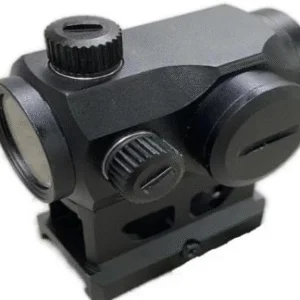
Optical technology plays an important role in many precision viewing and observation systems. From professional instruments to specialized sighting equipment, carefully designed optical components help users view targets and reference points through a defined optical arrangement. A Gun sight is an example of a specialized optical system in which clarity, alignment, and component quality are important design considerations. Understanding the technology behind these systems provides useful insight into the broader field of precision optics.
Understanding Optical Sighting Systems
An optical sighting system is designed to provide a viewing reference through an arrangement of optical and mechanical components. Different systems use different technologies depending on their intended application, operating environment, and design requirements.
Optical systems may incorporate lenses, reflective surfaces, transparent windows, and other specialized components. Each element contributes to the overall viewing arrangement. The quality of the optical materials and the accuracy of their manufacturing can influence image presentation and visual consistency.
Modern optical engineering focuses on combining these elements into compact assemblies that meet specific technical requirements.
The Role of Optical Components
The performance of an optical viewing system depends on how its individual components work together. Lenses influence image formation, while reflective and transparent elements help manage the passage of light through the assembly.
Several characteristics are important when evaluating optical components:
-
Optical clarity: Suitable transparency and surface quality help maintain clear visual presentation.
-
Material consistency: Optical materials should provide characteristics appropriate for the intended application.
-
Surface accuracy: Precision manufacturing helps maintain the required optical properties.
-
Mechanical compatibility: Components must fit correctly within the overall assembly.
-
Environmental suitability: Material selection and construction should account for the conditions in which the finished equipment will operate.
These considerations apply broadly to specialized optical instruments and demonstrate why component quality matters throughout the manufacturing process.
Understanding Holographic Optical Technology
Holographic optical technology is an interesting area of modern optics. It involves optical structures designed to manipulate light through carefully engineered patterns and surfaces.
Holographic elements can be used in different optical applications, including specialized display and viewing systems. Their design may allow particular light-management functions within a compact arrangement.
The technology requires precise optical design and manufacturing because small variations can influence the behavior of light. Material selection, surface characteristics, and production consistency are therefore important considerations for manufacturers working with advanced optical components.
Why Precision Manufacturing Matters
Optical components often operate within systems where dimensional accuracy and surface quality are important. Even minor manufacturing variations can influence how light travels through an assembly or how clearly an image is presented.
Precision manufacturing involves carefully controlling material properties, dimensions, surface finishing, and inspection processes. These steps help manufacturers produce components that meet defined technical specifications.
Quality control is equally important. Consistent inspection procedures can help identify variations before components are integrated into finished products. For businesses developing specialized optical equipment, reliable manufacturing processes support predictable product quality.
Choosing an Optical Component Supplier
Selecting an optical supplier requires more than comparing product categories. Buyers should consider technical capabilities, product information, manufacturing consistency, and communication.
A reliable supplier should be able to provide relevant specifications and clarify whether a component is suitable for the intended optical application. Technical drawings, dimensions, material information, and application requirements can help both parties evaluate compatibility.
Businesses should also consider whether the supplier understands the requirements of specialized optical products. Clear communication during the selection process can reduce misunderstandings and support more efficient product development.
Optical Technology Beyond Traditional Applications
Precision optics extends into numerous industries. Imaging equipment, scientific instruments, industrial inspection systems, projection devices, and augmented reality products all depend on components that manage light accurately.
These applications may use different lens configurations, reflective elements, filters, and specialized optical materials. Although their functions vary, they share a common requirement: optical components must be designed and manufactured according to the needs of the complete system.
Advances in optical materials and production techniques continue to create opportunities for more compact and specialized devices. Manufacturers that understand these developments can make better decisions when evaluating components for new projects.
The Future of Specialized Optical Systems
The optical industry continues to evolve through improvements in material science, precision manufacturing, and advanced optical design. These developments support increasingly sophisticated imaging and viewing technologies across commercial and industrial markets.
For product developers, understanding the relationship between optical components and system performance is essential. Careful attention to material properties, dimensional accuracy, and quality standards helps support reliable equipment development.
Businesses researching specialized viewing technologies can explore Gun sight product information from ARV Optical to learn more about its optical product range and assess whether available components are relevant to their specific commercial or engineering requirements.

