


Choosing the Right Business Signs to Strengthen Your Brand Visibility
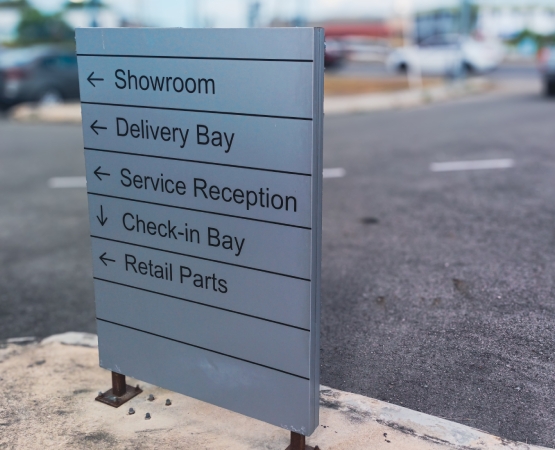
A business sign is often one of the first things customers notice when they approach a company. Whether it is positioned outside a retail store, office, restaurant, or service location, signage communicates important information about the business while helping establish its visual identity. Well-designed business signs can make a company easier to find, create a professional impression, and attract attention from potential customers. Choosing the right signage requires careful consideration of branding, location, materials, visibility, and the message you want to communicate.
Understand Your Brand Identity
Before selecting a sign, it is important to understand how you want customers to perceive your business. Your signage should reflect the personality and values of your brand. A modern technology company may benefit from a clean and minimalist design, while a restaurant or boutique might prefer something more creative and distinctive.
Colors, fonts, logos, and graphics should work together to create a recognizable appearance. Using the same visual elements across your storefront, website, printed materials, and other marketing channels can strengthen brand consistency. When customers repeatedly encounter the same design elements, they are more likely to remember your company.
Consider Your Business Location
The location of your business plays an important role in determining the right type of signage. A company located on a busy street may need large, highly visible signage that can be recognized by passing drivers. Businesses inside shopping centers or commercial buildings may require smaller signs that help customers navigate directly to their location.
Consider how far away customers will be when they first see your sign. If vehicles are moving quickly past the property, the message should be simple and readable from a distance. If customers are walking nearby, more detailed information may be appropriate.
The surrounding environment should also be considered. Your sign should stand out without looking out of place among neighboring businesses.
Prioritize Visibility and Readability
A visually attractive sign will not be effective if customers cannot read it. Letter size, font selection, contrast, lighting, and spacing all influence readability.
Avoid overly complicated fonts or excessive text that can make the message difficult to understand. Your company name and primary message should be immediately noticeable. Strong contrast between the background and lettering can also improve visibility.
Business signs can be particularly useful for businesses that operate during evenings. Illuminated signage allows customers to identify a location after sunset and can increase visibility in areas with heavy nighttime activity.
Select the Right Sign Type
There are many different types of signage available, and the right choice depends on your business needs. Channel letters can provide a professional three-dimensional appearance, while monument signs can create a strong presence outside larger properties. Pylon signs can improve visibility from busy roads, and window graphics can communicate promotions without taking up additional exterior space.
Digital and LED displays offer another option for businesses that want to change their messaging regularly. These signs can be used to highlight promotions, events, products, or announcements.
The goal should be to choose signage that supports your marketing objectives while fitting naturally with your property's architecture and brand identity.
Choose Durable Materials
Outdoor signage is exposed to changing weather conditions throughout the year. Rain, snow, wind, sunlight, and temperature fluctuations can gradually affect materials and finishes. Selecting durable materials can help maintain the sign's appearance and performance over time.
Depending on the design, materials such as aluminum, acrylic, steel, and other weather-resistant options may be suitable. The right material will depend on the sign's size, location, style, and expected exposure.
Quality construction can also reduce maintenance requirements and help businesses avoid frequent repairs or replacements. Discussing material options with an experienced sign provider can help you make an informed decision.
Think About Your Target Audience
Effective signage should be designed with your customers in mind. Consider who is most likely to see your sign and what information they need. A family-oriented business may use friendly colors and approachable graphics, while a professional service company might choose a more sophisticated design.
Understanding your audience can also help determine how much information should be included. Customers who are seeing a sign while driving need a short and easily recognizable message. People walking near a storefront may have more time to read additional information.
Keeping the customer experience at the center of the design can make your signage more effective.
Follow Local Regulations
Before installing a sign, businesses should review local regulations and property requirements. Municipalities may have rules regarding sign dimensions, placement, illumination, height, and design. Commercial properties may also have additional restrictions established by property owners or management organizations.
Checking these requirements before fabrication can help prevent delays and unexpected expenses. A professional signage company may also be able to provide guidance regarding permits and installation requirements.
Taking care of these details early allows the project to move forward more smoothly.
Maintain Consistent Branding
Consistency is an important part of successful business branding. Your exterior signage should complement the colors, typography, logo, and messaging used across other marketing channels.
When customers see consistent branding on your storefront, website, social media profiles, vehicles, and promotional materials, the business becomes easier to recognize. This can contribute to stronger brand awareness and help establish a professional identity.
If your company operates multiple locations, consistent signage can also create a unified customer experience while allowing each location to incorporate appropriate local information.
Invest in Professional Design and Installation
Even a high-quality sign can lose its impact if it is poorly designed or installed. Professional sign designers understand how dimensions, colors, typography, spacing, and placement work together to create an effective display.
Professional installation is equally important. Proper mounting ensures the sign remains secure and correctly positioned while helping protect the surrounding structure. Experienced installers can also account for electrical connections, lighting, accessibility, and other technical requirements when necessary.
Working with professionals can save time and help ensure the finished sign represents your business effectively.
Conclusion
Choosing the right signage is an important investment in your company's visibility and brand identity. Effective business signs should be attractive, readable, durable, and aligned with your overall branding. By considering your location, target audience, sign type, materials, lighting, and local regulations, you can create signage that communicates your message clearly and attracts attention.
A carefully planned sign can do more than display a company name. It can help customers recognize your business, establish credibility, and create a memorable first impression. With professional design, quality materials, and proper installation, business signs can become a valuable long-term part of your marketing strategy and help strengthen your presence in a competitive marketplace.

