


How to Audit Your Backlink Profile Step by Step
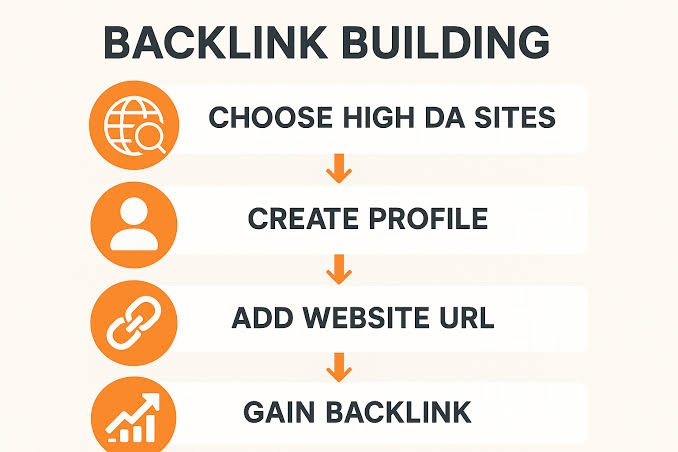
A backlink audit means collecting your link data, sorting links by relevance and quality, and deciding which ones to keep, fix or build on. The aim is to understand where your links come from, which pages earn them and whether anything needs attention.
Many marketers check backlinks only when rankings drop or a client asks questions. A regular audit is more useful because it shows patterns early. This guide explains what data to collect, how to review it and how to turn the findings into an action plan.
Why a Backlink Audit Matters
A backlink audit shows whether your link profile matches the site you are building. It reveals which pages attract links, which linking sites are relevant and where links have been lost.
It also helps when you take on a new client. Reviewing the existing profile before you plan outreach tells you what the site already has and what it lacks, so you do not repeat work or chase links the site already earned.
An audit also gives you something concrete to share. A short summary of linking domains, top linked pages and lost links is easier for a client or manager to follow than a raw export.
Which Backlink Data to Collect
Export links from more than one source, because no single tool shows every link. Google Search Console includes a Links report for your own site, and a dedicated backlink checker adds detail such as link attributes and the dates links were found or lost.
Collect these fields for each link:
Linking page and domain: where the link sits.
Target page: which of your pages receives the link.
Anchor text: the words used to link to you.
Link attributes: whether the link is followed, nofollow, sponsored or user-generated.
First seen and lost dates: when the link appeared or disappeared.
Keep everything in one sheet so you can filter and sort without switching between tools.
How to Choose a Backlink Checker
The right backlink checker is the one that gives you the data above, updates it often enough for your needs and exports it cleanly. Test it on a site you know well, compare its results with Search Console and open a sample of the links to confirm they still exist.
If you are still deciding which tool to try, a roundup of the best backlink checker tools can give you a shortlist to test against your own site. Treat any authority score as the provider's own estimate, not a Google metric.
How to Review Referring Domains
Review referring domains before individual links. Many links from one site often come from a single placement, such as a footer or sidebar, so the raw link count can mislead you.
For each domain, ask whether the site is relevant to your topic, whether it publishes real content and whether the link would make sense to a reader.
Hypothetical example: a UK accountancy blog finds 400 links from one directory site, all created by a sitewide footer. The audit counts one referring domain, not 400 separate links of value.
How to Check Anchor Text
Group anchors into brand names, page titles, generic phrases such as "click here", bare URLs and keyword phrases. A mix is normal for a site that earns links naturally. Note which target pages receive the keyword-style anchors, because a pattern on one page is easier to spot than a sitewide total.
If one commercial phrase dominates, check where those links came from. Google says its spam policies cover links created to manipulate rankings, so repeated keyword anchors from paid or exchanged placements deserve a closer look.
How to Spot Risky Links
Look for patterns, not single links. Common warning signs include:
Sites with no connection to your topic or audience.
Pages that seem to exist only to carry links.
A sudden jump in links from similar domains.
Sites that openly sell link placements.
Open each flagged page and check it yourself. A tool's "toxic" label is that provider's own score, not a Google verdict, so confirm the problem manually.
When to Use the Disavow Tool
Disavowing is a last step, not a routine task. Google describes the disavow tool as an advanced feature that should be used with caution, and it is meant for cases where a large number of artificial or low-quality links may be causing problems. Check Google's current guidance before you submit a file.
If you built or paid for the links yourself, try to get them removed first by contacting the site owner. Keep a record of every request.
How to Turn Findings Into an Action Plan
Sort every finding into a group:
Keep: relevant links from real sites.
Fix: links pointing to broken or redirected URLs, which you can update or redirect to the right page.
Reclaim: lost links or unlinked brand mentions worth asking about.
Build: pages that attracted links, so you can repeat the format.
Remove: only links confirmed as a problem.
Set a review schedule, such as quarterly for most sites and monthly for sites with active link building. Write a short note after each audit so changes are easy to explain to a client or manager.
Common Backlink Audit Mistakes
Trusting one tool. Different tools find different links, so compare sources.
Disavowing too quickly. Many odd-looking links need no action.
Ignoring lost links. A lost link from a strong page may be worth recovering.
Judging by authority score alone. Relevance matters as much as a number.
Skipping the target pages. Links to broken URLs are easy wins that many audits miss.
Final Words
A backlink audit is a simple routine: collect data from more than one source, review domains and anchors, check risky links by hand and act only where the evidence is clear. Repeat it on a schedule and the results become easier to explain and improve.
For more updates on SEO, PPC and AI, keep reading Search Learner.

