


Ear Contouring Surgery in Islamabad: Improve Your Ear Shape with Otoplasty
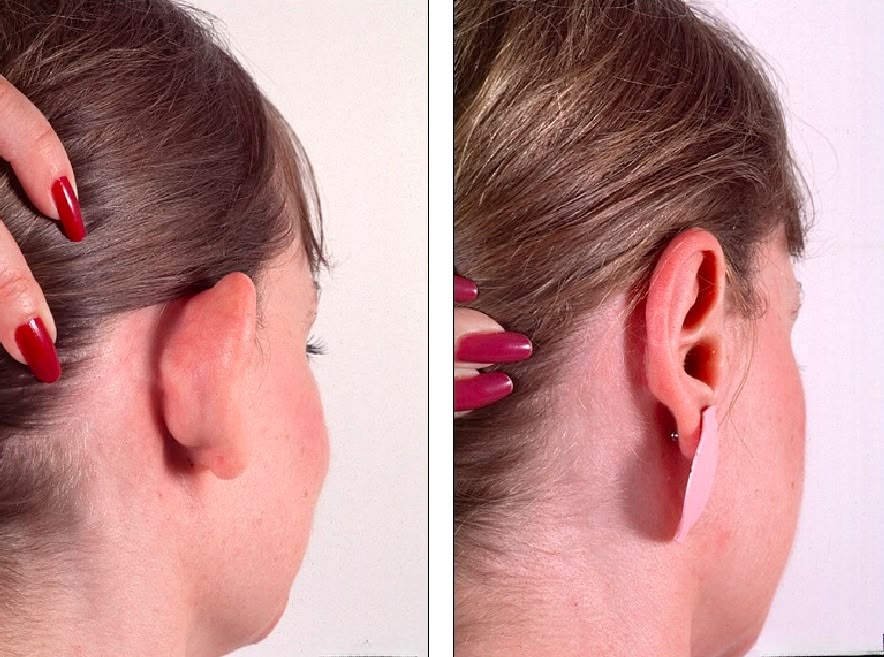
The shape and position of the ears contribute to the overall balance of the face. Although ears naturally differ from person to person, some individuals feel that their ears are too prominent, uneven, or lack a balanced contour. These concerns can affect personal confidence and make people uncomfortable with certain hairstyles or photographs. Modern cosmetic procedures offer options for improving ear appearance while preserving natural-looking proportions. Ear reshaping surgery in Islamabad is one option for individuals interested in correcting these cosmetic concerns.
Otoplasty, commonly called ear contouring or ear correction surgery, focuses on adjusting the structure, shape, or position of the ears. Understanding the procedure and its benefits can help patients decide whether it suits their needs.
Understanding Ear Contouring Surgery
Ear contouring surgery is a cosmetic procedure that modifies the appearance of the outer ear. It may involve reshaping cartilage, adjusting the angle of the ears, or improving the definition of particular folds.
The treatment is customized according to each patient's anatomy. Some people need correction on both ears, while others may only want to improve one ear to create a more balanced appearance.
The main objective is to achieve proportions that complement the patient's facial features rather than create an artificial or overly altered look.
Cosmetic Ear Concerns That Otoplasty Can Address
Different structural features can influence how the ears look. Otoplasty may help with several concerns, depending on the patient's condition and suitability for surgery.
Prominent ears: Ears that extend farther from the sides of the head can sometimes be repositioned closer to the head.
Uneven ears: Differences in ear height, angle, or projection may be improved through carefully planned correction.
Underdeveloped folds: Some ears have less-defined cartilage folds, which can affect their overall contour.
Irregular ear shape: Certain cartilage differences may create an appearance that patients would like to refine.
A consultation is necessary to determine which concerns can realistically be treated with surgery.
How Surgeons Plan the Treatment
Treatment planning begins with an examination of the outer ears and surrounding facial structure. The surgeon evaluates cartilage flexibility, ear projection, skin condition, and the degree of asymmetry.
Patients should explain which features they want to improve and discuss their expectations. The surgeon then recommends an appropriate technique and explains the likely outcome.
Photographs may also be used during the assessment to support treatment planning. Every surgical plan should consider the patient's individual anatomy and aim for a natural result.
What Happens During the Procedure?
Otoplasty is generally performed through an incision placed behind the ear, where the resulting scar is usually less visible. Through this incision, the surgeon accesses the cartilage and makes the adjustments required for the planned correction.
Depending on the patient's needs, cartilage may be reshaped, folded, or secured with sutures. In some cases, a small amount of cartilage or skin may need to be removed.
The incision is closed after the desired shape has been achieved. The procedure may use local or general anesthesia, depending on the patient's age, medical circumstances, and surgical plan.
Is Ear Contouring Suitable for Everyone?
Not everyone who wants to change their ear appearance is automatically a suitable candidate. Good candidates are generally in appropriate overall health and have realistic expectations about the possible results.
Adults may consider surgery to address long-standing concerns about prominent or uneven ears. Children may also undergo otoplasty when their ears have developed sufficiently, following an appropriate specialist assessment.
People with certain medical conditions, active infections, or healing difficulties may need further evaluation before treatment. The surgeon should review medical history and discuss any possible risks.
Preparing for Surgery
Preparation helps patients understand what to expect and follow the correct medical instructions. Before the procedure, patients should share information about medications, allergies, previous operations, and existing health concerns.
The medical team may advise patients to:
-
Follow instructions about medications and supplements.
-
Avoid smoking for the period recommended by the surgeon.
-
Arrange transportation if anesthesia or sedation is planned.
-
Follow any eating and drinking restrictions.
-
Keep the treatment area clean and follow preoperative guidance.
Patients should ask questions about the surgical method, recovery period, and expected expenses before confirming treatment.
Recovery and Maintaining Results
Some swelling, bruising, tenderness, and discomfort can occur after ear surgery. These effects generally improve as the ears heal, although recovery time varies between individuals.
A dressing or protective headband may be recommended to help support the ears. Patients should follow instructions about changing dressings, cleaning the incision, and attending follow-up visits.
Avoid sleeping directly on the treated ears and stay away from contact sports or strenuous activities until the surgeon approves them. Protecting the ears during recovery is important because pressure or accidental injury may affect healing.
The final appearance becomes clearer as swelling settles. Following aftercare instructions can support recovery and help maintain the surgical correction.
Possible Risks and Considerations
Like other surgical procedures, otoplasty has potential risks. These may include infection, bleeding, scarring, changes in sensation, asymmetry, dissatisfaction with the appearance, or the need for additional surgery.
A qualified surgeon should explain these possibilities before treatment. Patients should also understand that exact symmetry cannot always be achieved because natural ears often have small differences.
Explore Ear Correction Options at Enfield Royal Clinic
Choosing a clinic involves more than considering the cosmetic outcome. Patients should review the surgeon's qualifications, experience, hygiene standards, consultation process, and postoperative support.
Individuals interested in improving their ear appearance can consult Enfield Royal Clinic to discuss their concerns and explore suitable treatment options. A professional assessment can help establish whether ear contouring surgery is appropriate and provide realistic guidance about the procedure, recovery, and expected results.

