


Ear Shape and Size Correction in Islamabad: Discover Modern Cosmetic Solutions
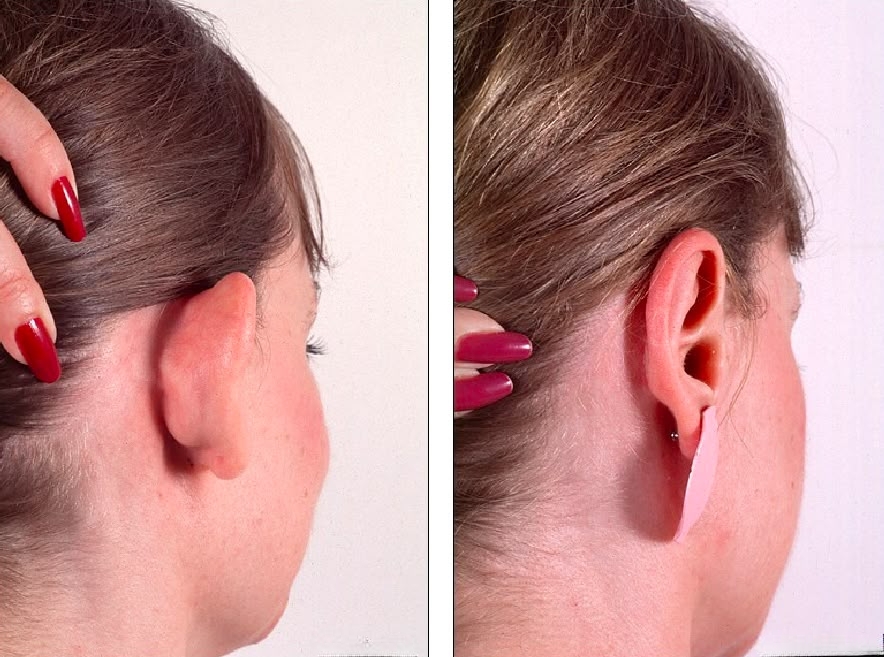
The ears are an important part of overall facial appearance. Their size, shape, and position can influence how balanced the facial features look. Some individuals naturally have larger ears, while others may have uneven contours, prominent cartilage, or differences in ear proportions. These concerns can sometimes affect confidence and encourage people to explore cosmetic treatment options. Ear reshaping surgery in Islamabad offers an opportunity to learn about surgical approaches that may improve selected ear shape and positioning concerns.
Before choosing a procedure, patients should understand the available techniques, the consultation process, and the factors that influence surgical results.
Understanding Ear Shape and Size Concerns
The external ear consists of cartilage and skin that create its natural curves and structure. Differences in cartilage development, genetics, and facial proportions can influence how the ears look.
Some people are concerned about ears that appear too large, while others focus on prominent edges, unusual folds, or uneven positioning. These features may affect one or both ears.
It is important to remember that natural ear shapes vary widely. Cosmetic surgery is generally considered when a person has a specific concern they would like to address rather than simply wanting to match an ideal appearance.
Common Reasons People Consider Ear Surgery
People explore cosmetic ear procedures for different reasons.
-
Prominent ears: The ears extend outward more than the individual prefers.
-
Uneven proportions: One ear appears larger or differently positioned.
-
Irregular cartilage folds: Natural curves are less defined or have an unusual shape.
-
Visible contour differences: The outer edges or internal structures appear uneven.
-
Injury-related changes: Trauma has affected the natural shape of the external ear.
A specialist can examine these concerns and explain whether surgery may provide a suitable improvement.
What Is the Difference Between Otoplasty and Ear Reduction?
Otoplasty is a general term for surgical procedures that improve the shape, position, or proportions of the outer ear. It is commonly used to correct prominent ears and reshape cartilage.
Ear reduction surgery is more specifically intended to decrease the size of certain parts of the external ear when appropriate. The technique depends on which area appears disproportionately large and how the cartilage and skin are structured.
Not every patient who feels their ears are large requires tissue removal. Sometimes the concern is related to projection or positioning rather than actual ear dimensions. A proper examination helps identify the correct treatment approach.
How Is the Right Procedure Selected?
The surgeon begins by examining the ears from different angles. Important considerations include overall dimensions, cartilage structure, ear projection, symmetry, and the relationship between the ears and the face.
The patient's goals also play an important role. Some individuals want to reduce outward projection, while others are concerned about a particular contour or proportion.
After reviewing the medical history and examining the ears, the surgeon explains suitable techniques and their limitations. The final plan should be based on individual anatomy rather than a standard approach.
Who May Be a Suitable Candidate?
Adults who are unhappy with specific features of their ears may consider cosmetic correction after a professional assessment. Children may also be suitable for selected procedures once their ears have developed sufficiently.
Good candidates generally have realistic expectations, suitable overall health, and an understanding of the recovery process.
People with certain medical conditions, active infections, or previous surgical complications may require additional evaluation. The surgeon determines whether the expected benefits justify the risks.
Preparing for Cosmetic Ear Surgery
Preparation starts with a detailed consultation. Patients should explain their concerns and provide accurate information about previous procedures, medications, allergies, and medical conditions.
The surgeon may give instructions about medication adjustments, eating and drinking before anesthesia, and arranging assistance after surgery.
Patients should also ask about the planned technique, expected healing period, potential scars, costs, and follow-up visits. Understanding these details helps them make an informed decision.
Recovery and Aftercare
After ear surgery, temporary swelling, bruising, tenderness, and discomfort may occur. The amount of recovery time depends on the procedure and the individual's healing response.
A dressing or supportive headband may be recommended to protect the ears. Patients should keep the surgical area clean and follow all wound-care instructions.
Pressure on the ears should be avoided during early healing. Activities such as contact sports and strenuous exercise may need to be postponed until the surgeon confirms that normal activity can resume.
Follow-up appointments help monitor healing and identify any concerns.
Results and Possible Complications
Cosmetic ear surgery aims to improve the relationship between ear shape, size, and facial proportions. The final appearance becomes clearer as swelling settles.
However, results vary, and perfect symmetry cannot be guaranteed. Potential complications include infection, bleeding, scarring, changes in sensation, cartilage irregularities, and the possibility of revision surgery.
A qualified surgeon should explain these risks and discuss realistic outcomes before treatment.
Explore Ear Shape Correction at Enfield Royal Clinic
Choosing a clinic for cosmetic ear treatment requires careful research. Patients should consider the surgeon's qualifications, relevant experience, treatment facilities, and postoperative support.
Individuals interested in improving ear shape, size, or positioning in Islamabad can explore consultation options at Enfield Royal Clinic. A professional assessment can help identify the specific concern and determine whether an appropriate cosmetic procedure may support a more balanced and natural-looking appearance.

