


Best Buccal fat removal Surgeon in dubai Recovery
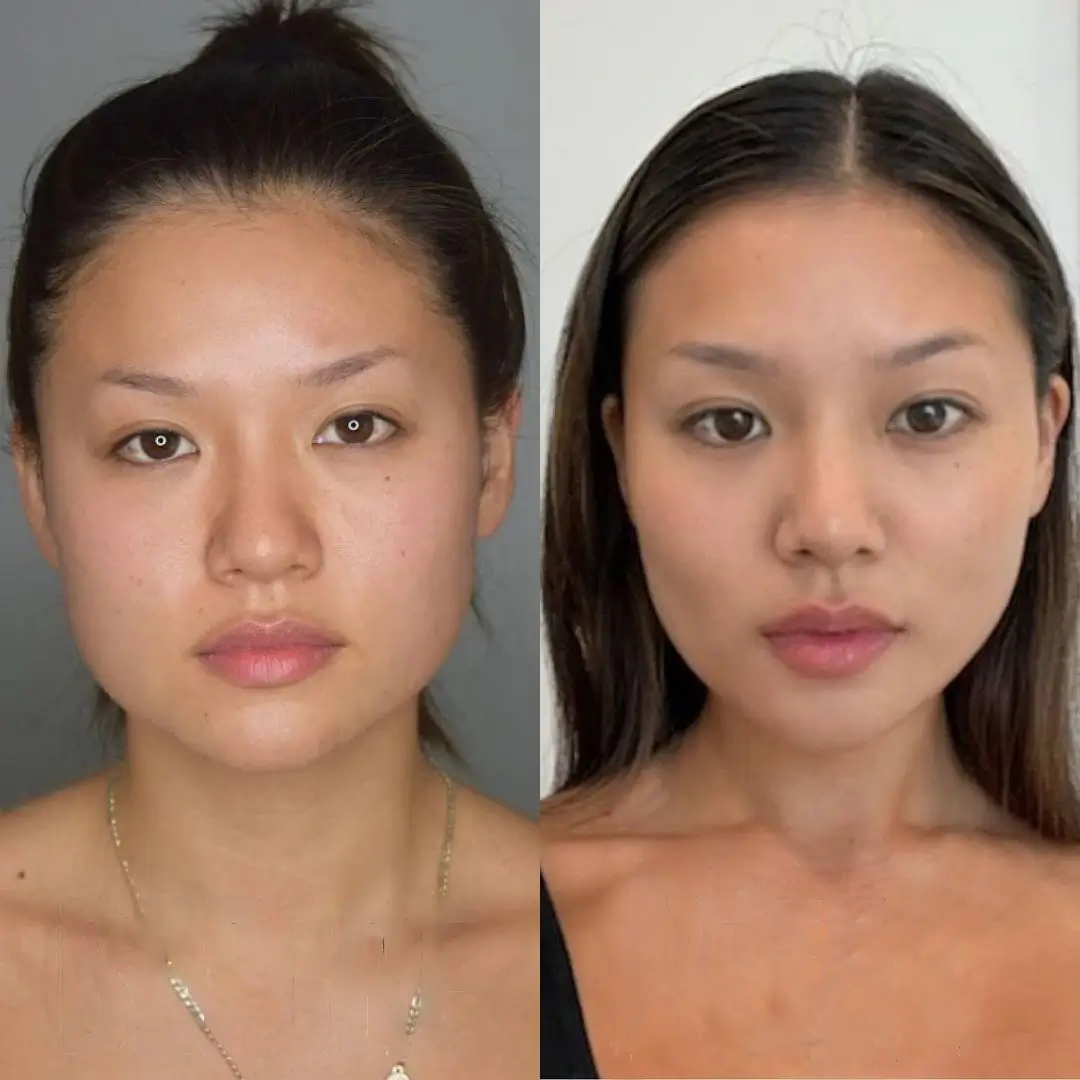
Buccal fat removal is a cosmetic surgical procedure designed to reduce fullness in the lower cheeks and create a more sculpted facial appearance. While many individuals focus on the procedure itself, understanding the recovery process is equally important. Healing after surgery requires patience, proper aftercare, and professional medical guidance to achieve the best possible outcome.
Dubai has become a popular destination for individuals exploring facial contouring and cosmetic surgery. Patients considering this treatment often want to know how long recovery takes, what symptoms they might experience, when they can return to their daily routines, and how soon they can see noticeable changes.
The recovery journey can vary depending on individual anatomy, surgical technique, general health, and adherence to postoperative instructions. Although buccal fat removal generally involves small incisions inside the mouth, the surrounding tissues still require sufficient time to heal.
This guide explains the complete recovery journey, including the healing timeline, postoperative care, dietary recommendations, possible complications, expected results, and the importance of selecting an experienced cosmetic surgeon in Dubai.
Understanding the Healing Journey After Buccal Fat Removal
Buccal fat removal involves reducing a portion of the naturally occurring fat pads located inside the lower cheeks. These fat compartments contribute to facial fullness and influence the overall appearance of the cheeks.
After surgery, the body begins its natural healing process. The tissues around the treated area may become swollen and tender as they respond to the procedure. Temporary inflammation is a normal part of recovery and gradually improves as healing progresses.
One important thing patients should understand is that their cheeks may initially look fuller because of postoperative swelling. This does not mean the procedure has been unsuccessful. The final facial contours become more noticeable as inflammation decreases.
Recovery is not identical for everyone. Some individuals experience relatively mild swelling, while others may require additional time before feeling completely comfortable. Following the surgeon's instructions and attending scheduled follow-up appointments can support a smoother recovery.
Choosing the Best Buccal Fat Removal Surgeon in Dubai for a Safe Recovery
Selecting an experienced professional is an important part of preparing for surgery and recovery. Patients researching the Best Buccal fat removal Surgeon in dubai should consider qualifications, experience, surgical technique, and the quality of postoperative care.
A surgeon's responsibilities do not end when the procedure is completed. Proper postoperative guidance helps patients understand what to expect, recognize unusual symptoms, and follow an appropriate healing plan.
When comparing surgeons, patients should consider several important factors:
· Professional Qualifications: Verify the surgeon's recognized medical qualifications and specialist credentials.
· Experience in Facial Surgery: Look for relevant experience with facial contouring and buccal fat removal.
· Surgical Planning: An experienced surgeon should assess facial proportions and determine an appropriate amount of fat reduction.
· Patient Safety: Confirm that the procedure takes place in a properly licensed medical facility.
· Postoperative Support: Ask about follow-up appointments and the availability of medical assistance during recovery.
· Transparent Communication: The surgeon should explain possible complications, recovery expectations, and treatment limitations.
A responsible professional prioritizes patient safety and natural-looking results rather than promising immediate or dramatic transformations.
What to Expect During Buccal Fat Removal in Dubai Recovery
Patients considering Buccal fat removal in dubai should understand that recovery takes place gradually. Although the procedure generally uses small incisions inside the cheeks, swelling and tenderness can temporarily affect facial appearance and everyday activities.
The first few days are particularly important because the treated tissues begin healing. Patients should follow instructions regarding oral hygiene, food choices, medications, and physical activity.
The recovery process generally includes several stages.
First 24 to 48 Hours: Initial Healing
During the first two days, patients may experience swelling, mild discomfort, tenderness, and tightness around the cheeks.
Some individuals may notice slight bruising or difficulty opening their mouths comfortably. These symptoms can vary depending on the surgical approach and individual healing response.
During this period, patients should:
· Get sufficient rest.
· Follow the surgeon's medication instructions.
· Use cold compresses only if recommended.
· Avoid unnecessary pressure on the cheeks.
· Maintain oral hygiene according to medical instructions.
· Consume suitable soft foods and remain hydrated.
Patients should avoid touching or irritating the surgical area. They should also avoid smoking and alcohol during the recovery period as advised by their medical team.
Days 3 to 7: Managing Swelling and Discomfort
During the first week, swelling may remain noticeable, although discomfort generally begins to improve.
Because the incisions are located inside the mouth, maintaining proper oral hygiene is especially important. The surgeon may recommend a specific mouth rinse or gentle cleaning routine to help keep the surgical area clean.
Patients should continue eating foods that are easy to chew and avoid anything that may irritate the incision.
It is important to remember that the face may not look slimmer during this stage. Swelling can temporarily conceal the changes created by surgery.
Weeks 2 to 3: Gradual Improvement
During the second and third weeks, many patients notice a gradual reduction in swelling and tenderness.
Daily activities may become more comfortable, and patients may begin returning to their regular routines after receiving appropriate medical advice.
However, healing continues beneath the surface. Patients should not rush into strenuous exercise or activities that could affect the treated area.
One to Three Months: Facial Contours Become More Noticeable
As healing progresses, swelling continues to decrease, allowing the facial contours to become more apparent.
The cheeks may gradually appear more defined, although individual results depend on the amount of fat removed, facial anatomy, and tissue response.
Some patients may require additional time before the final appearance becomes clear. Follow-up appointments help the surgeon evaluate progress and ensure that recovery is proceeding appropriately.
Essential Aftercare Tips for a Smooth Recovery
Proper aftercare plays an important role in supporting healing after buccal fat removal. Patients should follow their surgeon's personalized instructions because recovery requirements may differ.
Maintain Proper Oral Hygiene
Since the incisions are generally made inside the mouth, keeping the oral cavity clean is important.
Patients should follow the recommended brushing and mouth-rinsing instructions. Any prescribed antiseptic mouthwash should be used exactly as directed.
Avoid aggressive brushing around the surgical area or disturbing the stitches.
Choose Suitable Foods
The mouth and cheeks may feel sensitive during the early recovery period. Soft foods can make eating more comfortable and reduce unnecessary pressure on the treated tissues.
Suitable options may include:
· Yogurt.
· Mashed potatoes.
· Soft-cooked vegetables.
· Smooth soups at a comfortable temperature.
· Scrambled eggs.
· Soft porridge.
· Smoothies without hard seeds or pieces.
As healing improves, patients can gradually return to their normal diet according to their surgeon's recommendations.
Stay Hydrated
Drinking sufficient water supports general health and helps maintain normal bodily functions during recovery.
Patients should avoid beverages that cause irritation and follow any specific dietary restrictions provided by their medical team.
Avoid Smoking and Alcohol
Smoking can interfere with normal tissue healing and increase the risk of postoperative complications. Alcohol may also interact with prescribed medications and should be avoided during the period recommended by the surgeon.
Attend Follow-Up Appointments
Follow-up appointments allow the surgeon to examine the healing tissues, assess swelling, and address any concerns.
Even when recovery appears normal, patients should not skip scheduled medical reviews.
Dietary Recommendations to Support Facial Surgery Recovery
Nutrition is another important consideration after buccal fat removal. Although no particular food can directly improve the cosmetic results, a balanced diet supports the body's normal healing processes.
Protein-rich foods provide nutrients needed for tissue repair. Eggs, yogurt, fish, chicken, and other suitable protein sources can be included as tolerated.
Fruits and vegetables provide vitamins and minerals that contribute to general health. However, during the early recovery period, patients may need softer options that do not require extensive chewing.
Patients should also consider the following dietary guidelines:
· Avoid very hard or crunchy foods during the initial healing period.
· Avoid spicy foods if they irritate the surgical area.
· Choose foods that are easy to chew and swallow.
· Maintain adequate fluid intake.
· Follow any dietary restrictions recommended by the surgeon.
A healthy and balanced diet can support recovery, but patients should understand that it does not guarantee faster healing or a particular cosmetic outcome.
Factors That Can Influence Buccal Fat Removal Recovery
Every patient has a different healing experience. Several factors may influence how quickly swelling improves and when the final facial appearance becomes noticeable.
Individual Health and Healing Ability
General health, nutritional status, and existing medical conditions can influence the body's healing response.
Patients should disclose their complete medical history before surgery so the medical team can identify any factors that may affect recovery.
Surgical Technique
The surgeon's approach, the amount of fat removed, and the complexity of the procedure may influence postoperative swelling and discomfort.
Careful surgical planning is important to preserve facial balance and avoid unnecessary tissue damage.
Age and Skin Elasticity
Age-related changes can influence facial volume and skin elasticity. Patients should consider how removing buccal fat may affect their appearance over the long term.
Postoperative Care
Following medical instructions, maintaining oral hygiene, eating appropriately, and attending follow-up appointments can help support a healthy recovery.
Lifestyle Habits
Smoking, inadequate nutrition, insufficient rest, and other lifestyle factors may negatively affect healing.
Patients should discuss their daily routines with their surgeon and follow appropriate recommendations before and after surgery.
Understanding Buccal Fat Removal Cost in Dubai and Recovery Expenses
Financial planning is another important part of the surgical journey. Patients researching the Buccal fat removal cost in dubai should consider not only the surgical fee but also the services and postoperative care included in the treatment package.
The overall price may vary according to several factors.
Surgeon's Experience and Qualifications
The surgeon's professional qualifications, relevant experience, and expertise in facial procedures may influence the treatment fee.
Medical Facility and Anesthesia
The facility where surgery takes place, the medical team's involvement, and the anesthesia method can contribute to the total expense.
Complexity of Treatment
Every patient has different facial anatomy and surgical requirements. The complexity of the treatment plan may influence the final quotation.
Postoperative Consultations and Medications
Patients should ask whether the treatment package includes follow-up visits, prescribed medications, postoperative assessments, and additional support.
When comparing prices, it is important to understand exactly what is included. Choosing a clinic simply because it offers the lowest price may not be the best decision for a surgical procedure.
A personalized consultation provides a more accurate understanding of the treatment requirements and associated expenses.
Selecting a Trusted Buccal Fat Removal Clinic in Dubai for Aftercare
Choosing an appropriate medical facility is essential for both the procedure and the recovery process. A professional buccal fat removal clinic in dubai should provide suitable surgical facilities, qualified medical professionals, clear communication, and appropriate postoperative support.
Patients researching the Best Doctors in dubai should evaluate medical qualifications and treatment standards rather than relying only on promotional material.
Perfect Doctors Clinic is a name patients may encounter when researching cosmetic and aesthetic treatments in Dubai. Before choosing any provider, individuals should independently verify the treating surgeon's credentials, relevant experience, facility licensing, and postoperative care arrangements.
Similarly, comparing the Best buccal fat removal surgeons in Dubai should involve reviewing relevant experience, patient feedback, surgical safety standards, and realistic treatment outcomes.
A reliable clinic should help patients understand:
· What to expect immediately after surgery.
· How to maintain oral hygiene.
· Which foods are suitable during recovery.
· When normal activities can be resumed.
· Which symptoms require medical attention.
· How postoperative appointments are arranged.
Good communication between the patient and medical team can make the recovery experience more informed and reassuring.
Recognizing Potential Complications During Recovery
Although many patients recover without significant problems, buccal fat removal is still a surgical procedure and carries potential risks.
Possible complications include infection, bleeding, prolonged swelling, asymmetry, injury to nearby nerves or salivary ducts, and unsatisfactory cosmetic results.
Patients should contact their surgeon if they experience increasing pain, worsening swelling, fever, unusual discharge, or other concerning symptoms.
Difficulty breathing or swallowing, significant uncontrolled bleeding, or rapidly increasing facial swelling requires urgent medical attention.
Another important consideration is excessive facial hollowing. Removing too much buccal fat can create an overly thin appearance, particularly as natural facial volume decreases with age.
For this reason, appropriate patient selection and conservative surgical planning are important. Patients should understand that buccal fat removal is not suitable for everyone and that results cannot be guaranteed.
Frequently Asked Questions (FAQs)
1. How Long Does Buccal Fat Removal Recovery Take?
Initial swelling and discomfort generally improve over the first one to two weeks. However, complete healing and the development of the final facial appearance may take several months.
2. Is Swelling Normal After Buccal Fat Removal?
Yes. Swelling is a normal part of the body's healing response. It may temporarily make the cheeks appear fuller before gradually decreasing.
3. When Can I Return to Work After Surgery?
Many patients can return to non-strenuous activities within several days to approximately one week, depending on their recovery. The surgeon should provide individual guidance.
4. What Foods Should I Eat After Buccal Fat Removal?
Soft foods such as yogurt, mashed potatoes, soups, and scrambled eggs may be suitable during the early recovery period. Patients should follow their surgeon's dietary instructions.
5. When Can I Start Exercising Again?
Strenuous exercise should be avoided until the surgeon confirms that it is safe to resume physical activity. The appropriate timeline varies between individuals.
6. Are Buccal Fat Removal Results Permanent?
The removed fat does not normally grow back. However, remaining facial fat and overall facial volume can change with aging and weight fluctuations.
7. Will My Cheeks Look Slimmer Immediately After Surgery?
Not necessarily. Initial swelling can temporarily hide the results. Facial definition becomes more noticeable as the tissues heal.
8. Can I Brush My Teeth After Buccal Fat Removal?
Patients can generally maintain oral hygiene, but they should follow the surgeon's specific instructions regarding brushing techniques and cleaning around the incision sites.
9. Is Buccal Fat Removal Recovery Painful?
Some discomfort, tenderness, and swelling may occur after surgery. The medical team may recommend appropriate pain management depending on the patient's needs.
10. What Should I Avoid During Recovery?
Patients may need to avoid smoking, alcohol, hard foods, strenuous exercise, and activities that irritate the surgical area. Specific restrictions should be confirmed with the treating surgeon.
Final Thoughts: Achieving a Comfortable Buccal Fat Removal Recovery
Recovery is an essential part of the buccal fat removal journey. Although the procedure aims to reduce lower cheek fullness and improve facial definition, achieving a satisfactory outcome requires patience and appropriate postoperative care.
Understanding the healing timeline, maintaining oral hygiene, choosing suitable foods, avoiding activities that may interfere with healing, and attending follow-up appointments can help patients navigate the recovery process more confidently.
Dubai offers a range of cosmetic surgery services, but selecting a qualified surgeon and an appropriately licensed medical facility should remain the priority. Patients should carefully evaluate their suitability and understand the possible long-term effects of removing facial fat.
Whether researching Buccal fat removal Dubai, comparing treatment providers, or looking into dr perfect celebrity, patients should focus on verified professional qualifications, medical expertise, and realistic expectations rather than marketing claims.
Ultimately, a successful recovery is about more than achieving slimmer cheeks. It involves protecting facial balance, allowing the body to heal naturally, and making informed decisions at every stage. A detailed consultation with a qualified medical professional is the best starting point for anyone considering this procedure.

