


7 Key Stages of the Product Development and Manufacturing Process
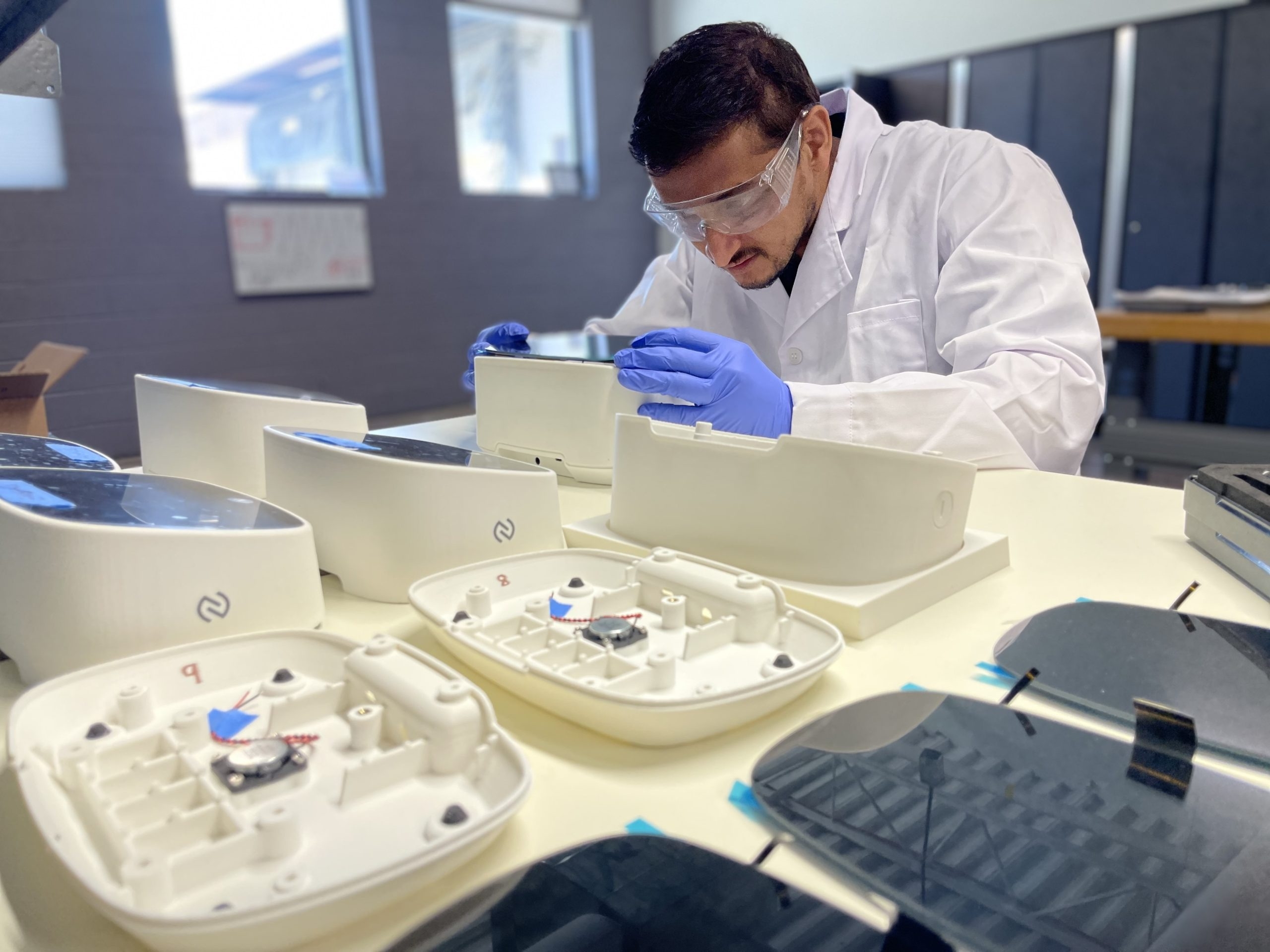
Every successful product, whether it is a consumer gadget, an industrial component, or a medical device, follows a structured journey from its initial idea to the final product launch. Skipping important steps or rushing through the process can lead to design flaws, unexpected costs, production challenges, and delayed market entry. The product development and manufacturing process typically involves seven key stages: ideation and concept development, research and feasibility analysis, design and engineering, prototyping, testing and validation, manufacturing preparation, and full-scale production. Understanding these stages helps businesses plan their budgets effectively, minimize risks, improve product quality, and bring innovative products to market faster.
The 7 Stages of Product Development and Manufacturing
The product development and manufacturing process begins with ideation and concept development, where businesses identify customer problems, understand market needs, and brainstorm potential product solutions. The second stage is research and feasibility analysis, which helps determine whether the proposed product is commercially, technically, and financially viable. The third stage involves design and engineering, where designers and engineers transform the approved concept into detailed product specifications, technical drawings, and 3D CAD models. The fourth stage is prototyping, where physical or functional product models are created to evaluate the design, functionality, and overall performance. The fifth stage focuses on testing and validation to ensure the product meets performance expectations, safety requirements, quality standards, and applicable regulatory guidelines. The sixth stage is manufacturing preparation, which involves selecting suppliers, developing production tooling, preparing bills of materials, establishing quality control procedures, and conducting pilot production runs. Finally, the seventh stage involves full-scale production and product launch, where manufacturing operations are expanded to meet market demand while maintaining consistent quality and implementing continuous improvements.
Stage 1: Ideation and Concept Development
Every successful product starts with identifying a problem that needs a practical solution. During the ideation and concept development stage, businesses focus on understanding customer requirements, identifying market opportunities, brainstorming innovative solutions, and developing initial product concepts. The primary objective is to establish what the product should accomplish, who the intended customers are, and how the proposed solution can offer better value than existing alternatives. Businesses may conduct customer interviews, market observations, competitor analysis, and brainstorming sessions to generate and evaluate potential ideas. A clear problem statement, well-defined target user profiles, and a shortlist of promising product concepts are important outcomes of this stage. Involving customers and end users early in the process also helps businesses develop products based on actual requirements rather than assumptions.
Stage 2: Research and Feasibility Analysis
Before making significant investments in product design and development, businesses must determine whether the proposed idea is practical and commercially viable. The research and feasibility analysis stage evaluates the market demand, technical requirements, production costs, and regulatory considerations associated with the product. Market feasibility helps businesses understand customer demand, identify competitors, and evaluate potential market opportunities. Technical feasibility determines whether the product can be developed using available technologies, materials, equipment, and engineering capabilities. Financial feasibility focuses on estimating development expenses, manufacturing costs, pricing strategies, and potential profitability. Regulatory feasibility examines the industry-specific standards, certifications, and legal requirements that the product must satisfy before entering the market. This stage typically concludes with a go-or-no-go decision, allowing businesses to identify potential challenges early and avoid unnecessary investments in concepts that may not be commercially or technically practical.
Stage 3: Design and Engineering
After the product concept receives approval, the design and engineering stage begins. During this phase, product designers and engineers transform the initial idea into a detailed product design that can be developed, tested, and manufactured. The process may involve industrial design, mechanical engineering, electrical engineering, software development, material selection, and the preparation of technical specifications. Engineers create detailed product requirements, 3D computer-aided design (CAD) models, engineering drawings, and component specifications to define how the final product should look and function. Applying design for manufacturability (DFM) and design for assembly (DFA) principles is particularly important during this stage because they help ensure that the product can be manufactured efficiently and assembled with minimal complexity. Decisions such as reducing unnecessary components, selecting standard materials, simplifying product geometry, and optimizing assembly methods can significantly reduce production costs while improving product reliability and overall manufacturing efficiency.
Stage 4: Prototyping
Prototyping is an essential stage in product development and manufacturing because it allows businesses to convert digital designs and concepts into physical or functional product models. These prototypes help designers, engineers, and stakeholders evaluate the product's appearance, functionality, usability, and technical performance before moving into mass production. Depending on the product's complexity and development requirements, teams may create different types of prototypes, including proof-of-concept prototypes to demonstrate whether the core idea works, looks-like prototypes to evaluate appearance and ergonomics, works-like prototypes to test functionality, and engineering prototypes that combine appearance and performance using materials and methods similar to those intended for final production. Modern rapid prototyping technologies, such as 3D printing and CNC machining, enable businesses to develop and modify prototypes quickly without making substantial investments in production tooling. Multiple rounds of prototyping help identify design limitations, improve product functionality, and reduce the possibility of expensive modifications during later manufacturing stages.
Stage 5: Testing and Validation
Once the prototype has been developed, the next step is to test and validate the product to ensure that it meets the required performance, safety, quality, and regulatory standards. Testing and validation help businesses identify technical issues, evaluate product reliability, and confirm that the final design satisfies customer expectations. Depending on the product and industry, testing activities may include functional testing, durability testing, environmental testing, usability testing, performance evaluation, and compliance testing against relevant industry standards. In highly regulated industries such as medical devices, aerospace, and automotive manufacturing, formal verification and validation procedures are particularly important. Verification determines whether the product has been developed according to its specified design and technical requirements, while validation confirms whether the product meets its intended purpose and actual user needs. Detailed testing records and documentation help demonstrate compliance and maintain product quality. If testing identifies any defects or performance limitations, the design may need to be modified and tested again before proceeding to manufacturing preparation. This iterative process helps ensure that potential problems are resolved before large-scale production begins.
Stage 6: Manufacturing Preparation
Manufacturing preparation is the stage where businesses transition from prototype development to production planning. This phase involves establishing the resources, equipment, suppliers, and processes required to manufacture the product consistently and efficiently. Companies begin by identifying and qualifying suitable suppliers, selecting contract manufacturers when necessary, and sourcing the materials and components required for production. Production tooling, molds, fixtures, and specialized equipment are designed and developed to support the manufacturing process. Engineers and production teams also prepare the bill of materials (BOM), assembly instructions, manufacturing documentation, and quality control procedures to ensure that every product meets the required specifications. Pilot production runs are another important part of this stage because they allow businesses to evaluate manufacturing processes using smaller production quantities before investing in full-scale operations. These initial production runs help identify assembly difficulties, material inconsistencies, equipment limitations, production delays, and quality issues. Addressing these challenges before mass production helps businesses reduce manufacturing risks, improve production efficiency, and maintain consistent product quality.
Stage 7: Production, Launch, and Continuous Improvement
After the manufacturing processes have been established and validated, the product moves into full-scale production and market launch. During this stage, manufacturing operations are expanded to produce the required product quantities while maintaining quality, efficiency, and cost control. Production teams monitor manufacturing performance, inspect finished products, track defects, and ensure that established quality standards are consistently maintained. Businesses also implement formal change control procedures to manage design modifications, material changes, supplier updates, and production process improvements. At the same time, sales and marketing teams prepare product launch strategies, distribution plans, and promotional activities to introduce the product to its target market. However, product development and manufacturing do not end once the product reaches customers. Businesses must continuously monitor customer feedback, warranty claims, product performance, and manufacturing data to identify opportunities for improvement. These insights can help companies reduce production costs, improve product reliability, address customer concerns, and develop future product versions. Treating production and product launch as part of an ongoing improvement cycle allows businesses to remain competitive and respond effectively to changing market requirements.
Frequently Asked Questions
How long does the product development process take?
The time required for product development depends on the product's complexity, technical requirements, industry standards, and manufacturing challenges. Simple consumer products may take a few months to develop, while complex industrial products, automotive components, and regulated medical devices can require several years of research, engineering, testing, and validation before reaching the market.
What is design for manufacturability (DFM)?
Design for manufacturability (DFM) is an engineering approach that focuses on designing products to make them easier, faster, and more cost-effective to manufacture. It involves simplifying product designs, reducing unnecessary components, selecting suitable materials, and optimizing manufacturing processes. Applying DFM principles during the design stage helps businesses reduce production expenses, minimize manufacturing defects, and improve product quality.
Why is prototyping important in product development and manufacturing?
Prototyping is important because it allows businesses to evaluate product designs, test functionality, identify technical problems, and make necessary improvements before investing in expensive production tooling and large-scale manufacturing. It also helps engineers verify whether the proposed design meets performance requirements and customer expectations. By identifying potential issues early, prototyping reduces development risks, saves time, and improves the chances of successful product manufacturing.
Conclusion
The product development and manufacturing process involves a series of interconnected stages that transform an initial concept into a market-ready product. From ideation and feasibility analysis to design, prototyping, testing, manufacturing preparation, and full-scale production, every stage plays an important role in ensuring product quality and commercial success. Following a structured development approach helps businesses minimize risks, control manufacturing costs, improve operational efficiency, and deliver products that meet customer expectations. Working with an experienced product development and manufacturing partner can further simplify the process by providing the engineering expertise, technical resources, and production capabilities needed to turn innovative ideas into successful products.

