


From Product Concept to Production: Why Early Engineering Decisions Matter
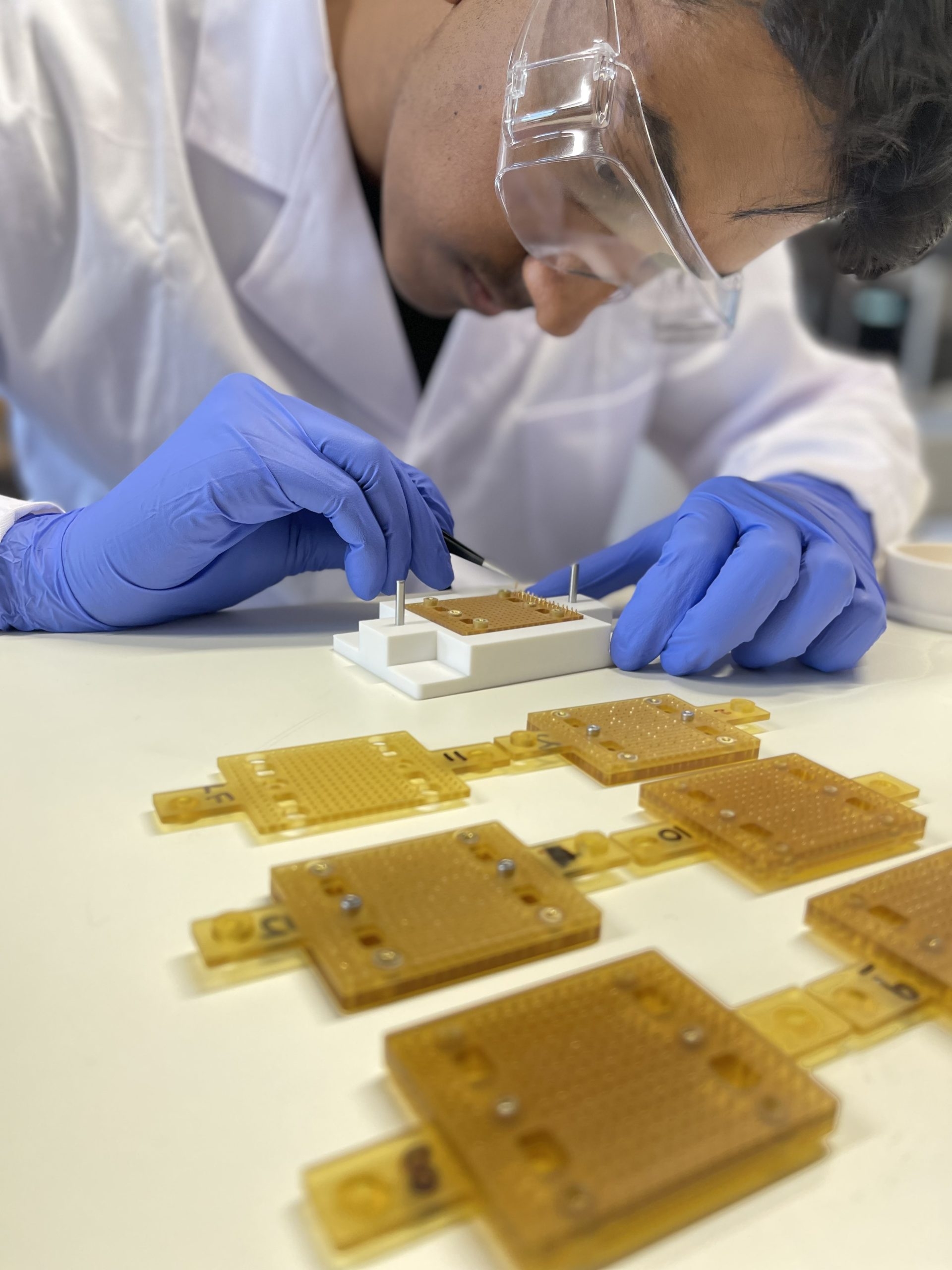
Bringing a new physical product to market requires more than an innovative idea. It takes careful planning, engineering expertise, testing, and a clear understanding of how the finished product will be manufactured and used. Companies developing complex hardware must consider these factors early to avoid costly redesigns and delays later in the process.
A concept may look promising on paper, but turning it into a reliable commercial product introduces practical challenges. Components must work together, materials must meet performance requirements, and the final design must support consistent production. Addressing these details from the beginning helps businesses make informed decisions and build products that are ready for real-world conditions.
Turning Ideas into Practical Designs
Every successful product begins with a clear understanding of the problem it needs to solve. Before engineering work starts, development teams need to identify user expectations, technical requirements, operating conditions, and commercial objectives. These details provide a foundation for making design decisions throughout the project.
Industrial design establishes the product's appearance, physical form, and usability. Mechanical engineering determines how its structures and moving components will function, while electronics and embedded software may provide sensing, communication, and control capabilities. When these disciplines work together, the resulting design is more likely to function as a complete system rather than a collection of separate components.
An integrated approach to product development and manufacturing helps teams evaluate production requirements while design choices are still flexible. Instead of waiting until a prototype is complete to consider assembly methods, material availability, or production costs, engineers can address these factors during early development. This reduces the likelihood of discovering fundamental problems when changing the design becomes expensive.
Why Prototyping Should Happen Early
Prototypes allow engineering teams to examine assumptions that cannot be fully evaluated through drawings or digital models alone. A physical model can reveal problems with component placement, assembly access, heat management, structural strength, and everyday usability.
Different prototypes serve different purposes. Early models may focus on shape, ergonomics, or a single technical feature. Later builds can bring together mechanical parts, electronics, firmware, and software to evaluate system performance. Testing these versions helps teams identify weaknesses and make targeted improvements before committing to expensive tooling or larger production runs.
Feedback also plays an important role. Engineers can compare test results with established requirements, document failures, and determine which changes will produce meaningful improvements. This process is especially valuable for medical equipment, industrial systems, and other hardware products that must meet demanding performance and reliability expectations.
Designing for Reliable Manufacturing
A product that works well as a prototype may still be difficult or expensive to manufacture repeatedly. Small variations in component dimensions, assembly procedures, supplier capabilities, and material properties can affect the consistency of finished units.
Design for manufacturing addresses these concerns before production begins. Engineers examine whether components can be produced using suitable processes, whether parts can be assembled efficiently, and whether quality can be measured consistently. Simplifying unnecessary complexity may improve reliability while reducing production time and costs.
A coordinated product development and manufacturing process also considers supply chain limitations, component availability, tooling requirements, and maintenance needs. These factors influence decisions about materials, architecture, and component selection. Identifying potential constraints early gives teams more time to evaluate alternatives without disrupting the entire project.
Managing Complexity Across Engineering Disciplines
Modern hardware products frequently combine mechanical assemblies, circuit boards, sensors, embedded software, and user interfaces. Each element may work independently, yet the complete product can fail if the interfaces between them are poorly defined.
Systems engineering helps teams manage these relationships. Clear requirements establish what the product must accomplish, while defined interfaces explain how individual subsystems communicate and interact. Regular integration reviews help identify conflicts before they spread across the design.
Project coordination is equally important. Decisions about a component can affect several other disciplines, so teams need reliable communication and a shared understanding of priorities. Documenting decisions, tracking dependencies, and assigning responsibility for unresolved issues reduces confusion as projects become more complex.
Preparing for Scale and Long-Term Performance
Moving from initial builds to repeatable production introduces a different set of challenges. Teams must understand production capacity, supplier consistency, inspection requirements, and the practical demands of assembling larger quantities. A design that depends on extensive manual adjustment may become difficult to scale without further engineering work.
Pilot production provides an opportunity to evaluate these issues under more representative conditions. It allows teams to review assembly sequences, identify bottlenecks, assess quality controls, and refine work instructions before increasing output. Information gathered during these builds can guide improvements to both the product and its manufacturing process.
A well-planned transition to production therefore connects engineering decisions with measurable quality expectations. It helps businesses move forward with greater confidence while maintaining visibility into the risks that could affect reliability, cost, and delivery schedules.
Choosing the Right Development Partner
Selecting an engineering partner requires an understanding of the project's technical complexity, commercial goals, and expected production requirements. Companies should look beyond individual design capabilities and consider how a potential partner manages integration, testing, documentation, manufacturing preparation, and communication.
An experienced partner can help identify technical risks, evaluate trade-offs, and establish realistic development priorities. Working with a team that understands both engineering and production can also reduce the coordination challenges associated with transferring a design between separate organizations.
Conclusion
Developing a successful physical product requires a clear process that connects the original concept with engineering validation and repeatable production. Early prototyping, coordinated technical decisions, and careful manufacturing preparation help teams address problems before they become expensive obstacles.
By treating usability, reliability, and production requirements as connected priorities, businesses can create products that are better prepared for commercial launch and continued improvement.

