


What Do the Best Children’s Book Ideas Have in Common?
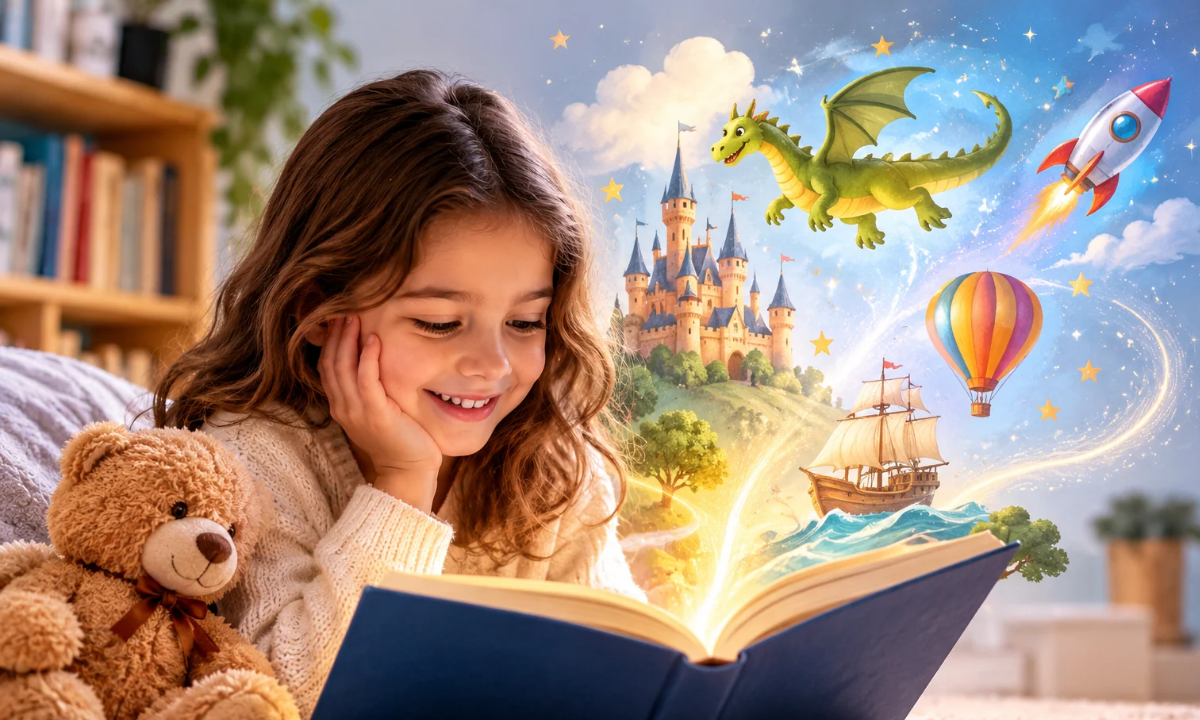
Some children's books stay in our memories long after we've grown up. We remember their characters, funny moments, colorful illustrations, and stories that made bedtime special.
But what makes these books so memorable? Is it the characters, the adventures, or the emotions behind the story?
What Do the Best Children’s Book Ideas Have in Common? They give young readers something to enjoy, something to relate to, and a reason to turn the next page.
A simple idea about a missing toy, an unusual friendship, or a child's everyday challenge can become an unforgettable story when developed thoughtfully.
Let's explore the qualities that make children's book ideas engaging and worth turning into a complete manuscript.
1. Memorable Characters Children Can Relate To
Every good children's story needs a character readers want to follow. That character doesn't have to be perfect, brave, or exceptionally clever.
Imagine a young rabbit determined to build a treehouse without anyone's help. He makes mistakes, becomes frustrated, and keeps trying until he finds a solution.
Children can relate to his desire for independence and his struggles along the way.
Strong characters usually have:
-
A clear goal or something they want.
-
A weakness, fear, or personal challenge.
-
A recognizable personality and individual voice.
-
A reason to keep trying despite difficulties.
Characters become memorable when they make mistakes, learn from experiences, and grow throughout the story.
2. Familiar Emotions Behind Imaginative Stories
Children may never meet a dragon or travel to the moon, but they understand loneliness, excitement, fear, and friendship.
For example, imagine a little dragon who cannot breathe fire while every other dragon can. Instead, he blows bubbles and feels different from everyone else.
The unusual situation creates a fun fantasy, while the emotions make the character relatable.
Even magical adventures benefit from familiar feelings. Friendship, disappointment, confidence, and belonging can give an imaginative story a meaningful connection.
3. A Problem That Keeps the Story Moving
An interesting character needs something to overcome.
Suppose a child wants to grow the biggest sunflower in the neighborhood. However, despite watering and caring for it, the flower refuses to grow.
Now readers have a reason to wonder what happens next.
The challenge doesn't need to be frightening or complicated. Losing a favorite toy, struggling with a school performance, or having trouble making friends can feel important to a young reader.
A meaningful problem creates suspense and gives the character an opportunity to grow.
4. Curiosity That Encourages Children to Keep Reading
Good children's stories leave readers with questions.
Consider an opening like this:
Every morning, Nora found a tiny yellow umbrella outside her bedroom door.
Who left it there? Why does it keep appearing? Where will the next one lead?
A simple mystery can encourage children to turn the page and discover what happens.
Writers can build curiosity through unexpected discoveries, playful surprises, and interesting situations. However, each surprise should connect naturally with the story.
5. Humor and Playful Moments
Children enjoy stories that make them laugh. Sometimes, a silly character, an unexpected situation, or a funny misunderstanding is enough.
Imagine a royal cat who refuses to wear her crown because it keeps flattening her ears. The palace servants try different solutions, but nothing works.
The humor comes from how seriously everyone treats such a ridiculous problem.
Humor also depends on the intended age group. Younger children may enjoy funny sounds and silly situations, while older readers might appreciate clever conversations and amusing misunderstandings.
6. Repetition That Makes Stories Enjoyable
Repetition works especially well for younger readers.
Imagine a little bear searching for his missing blue hat. At every stop, he asks, "Have you seen my blue hat?"
Children soon recognize the repeated question and may even answer before the characters do.
Repeated phrases, familiar patterns, and playful sounds make stories more interactive and enjoyable to read aloud.
However, repetition should introduce small changes to keep the story interesting.
7. Illustrations That Add to the Story
In picture books, illustrations should do more than decorate the pages. They can reveal details that the words leave unexplained.
For example, the text might say that a fox hasn't seen a missing hat, while the illustration shows the fox wearing it.
Children can spot the difference and enjoy discovering the hidden joke.
Writers should avoid describing every detail in the manuscript. Instead, allow illustrations to communicate expressions, surroundings, and visual surprises.
Understanding how children's book publishing combines storytelling, artwork, and book design can also help authors prepare their manuscripts for publication.
8. Meaningful Lessons Without Long Lectures
Children's books can introduce important values such as kindness, honesty, courage, and patience.
However, young readers usually connect better with lessons they discover through characters and situations.
For example, two friends might find a beautiful seashell at the beach. Both want to keep it, but later discover a tiny creature living inside.
They must decide what to do.
Instead of explaining why sharing matters, the story allows readers to understand the situation through the characters' choices.
A meaningful lesson feels more natural when it develops from the story rather than interrupting it.
9. Children Should Influence What Happens
Young characters should play an active role in their own stories.
Adults can provide support and guidance, but they shouldn't solve every problem.
Imagine a boy who feels nervous about joining a new football team. His father encourages him, and his coach explains the rules, but the decision to participate belongs to the boy.
Small choices can create meaningful character development and help young readers feel connected to the story.
10. Stories Should Match the Intended Age Group
Before developing a manuscript, consider who will read it. Children's interests, language skills, and understanding change as they grow.
Here are some general age-based considerations:
-
Ages 0–3: Familiar objects, simple words, sounds, and expressive illustrations.
-
Ages 3–5: Playful characters, repetition, and everyday challenges.
-
Ages 5–7: Friendships, independence, school experiences, and imaginative adventures.
-
Ages 8–12: Longer plots, mysteries, humor, and more complex relationships.
Understanding your audience helps you choose the right storytelling style and level of detail.
Where Can Writers Find Fresh Children's Book Ideas?
Inspiration doesn't always come from extraordinary experiences. Everyday observations can lead to wonderful stories.
Here are a few ways to discover new ideas:
Listen to children's questions: Their unusual questions about animals, nature, and everyday life can inspire imaginative plots.
Remember childhood experiences: Old memories, favorite toys, school experiences, and childhood fears can provide relatable story material.
Notice everyday disagreements: Small arguments between siblings or friends can become funny stories about friendship and compromise.
Keep an idea notebook: Write down interesting characters, unusual situations, and short story prompts whenever inspiration strikes.
You don't need a complete storyline immediately. Sometimes, one interesting sentence is enough to begin.
How to Choose the Right Children's Book Idea
Collecting ideas is easy. Choosing one that can become a complete book is often more challenging.
Before starting your manuscript, consider these questions:
-
Does the main character have a clear goal?
-
Is there a problem that moves the story forward?
-
Can the idea develop into several interesting scenes?
-
Does it offer emotional connection or humor?
-
Does the ending connect naturally with the beginning?
-
Will the intended age group enjoy the story?
Try outlining the beginning, middle, and ending before writing the complete manuscript.
If the idea still interests you after exploring its possibilities, it may be worth developing further.
Give Your First Draft Time to Grow
Your first draft doesn't need to be perfect. Its purpose is to help you discover the story.
Start with your main character, introduce a meaningful problem, and continue writing until you reach an ending.
Once the draft is complete, review the characters, pacing, dialogue, and overall storyline.
Sometimes, a story needs a stronger beginning, a more believable ending, or fewer unnecessary scenes.
Thoughtful book editing can help improve the manuscript while preserving the writer's original voice and creative direction.
Common Mistakes to Avoid When Writing Children's Books
Even promising ideas can lose their appeal during development. Watch out for these common mistakes:
-
Slow beginnings: Introduce the main character and central problem without unnecessary background.
-
Too many characters: Keep the focus on the characters who contribute to the story.
-
Overexplaining emotions: Show feelings through actions and dialogue.
-
Unbelievable solutions: Let the main character contribute to solving the problem.
-
Complicated language: Choose words that suit the intended readers.
-
Forced moral lessons: Allow meaningful themes to develop naturally.
-
Ignoring the age group: Match the plot and language to children's reading abilities.
Reviewing these areas can make your manuscript clearer, more engaging, and easier to follow.
Turn Your Children's Book Idea Into a Story Worth Sharing
The best children's book ideas don't follow one fixed formula. Some begin with funny characters, others with magical adventures, and some with ordinary childhood experiences.
What matters is how the writer develops that initial idea.
A memorable character, an interesting problem, familiar emotions, and a little imagination can turn a simple thought into a story children enjoy reading again.
Don't worry about finding an idea that nobody has ever explored. Instead, bring your own experiences, observations, and creativity to something familiar.
Next Chapter Publishings helps authors take their creative ideas toward publication through professional publishing support.
Your next great children's story might begin with something as ordinary as a forgotten toy, a curious question, or an unexpected friendship. Give that idea room to grow.

