


Discreet Rapid-Response Logistics in Commercial Crime Scene Cleanup Teams
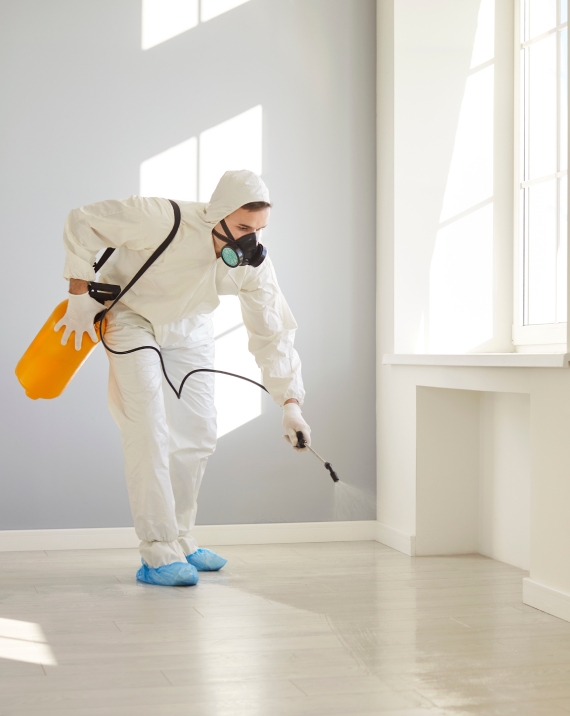
In the event of a traumatic occurrence, an unattended death and/or major occupational accident, time is of the essence. Hotels, shopping malls, office buildings, factories and even multi-occupancy housing all need to minimise both business disruption and media hysteria. As well as the human impact, the physical evidence of such events can also present a serious health risk to staff, residents and visitors. Furthermore, there is often a significant negative impact upon the business’ image. A bespoke, prompt and confidential crime scene clearance service allows responsible parties to isolate impacted areas, decontaminate to hospital standard and swiftly recommence business operations so as not to adversely affect the wider trading environment.
The Operational Urgency of Commercial Biohazard Incidents
Compared to domestic buildings, commercial premises have differing requirements. Due to increased footfall, combined air distribution systems, as well as high levels of responsibility and an ongoing income stream, it is vital that areas are secured immediately following police clearance.
Failure to engage professional cleaning services increases business vulnerability in multiple ways:
Contamination risk:
Body fluids, along with blood and tissues, can contain Hepatitis B and C, HIV and other ‘opportunistic’ bacteria. These can all survive on non-porous surfaces for up to several days.
Water ingress and smell:
If spillages are not dealt with promptly, they rapidly permeate cracks in concrete, underfloor boards, carpets and air conditioning return vents. Consequently, an initially contained incident can soon become an extensive and expensive building deconstruction issue.
Loss of brand and occupier trust:
Security cordons, malodours and even the sight of biohazard teams can all lead to rental issues, bad publicity and abrupt declines in numbers of customers visiting a site.
Legal and OSHA non-compliance:
Employers run a high risk of breaching national legislation regarding handling blood and other potentially infectious materials by requesting that unqualified in-house cleaners clean up distressing incidents.
Swift deployment prevents further contamination and so lessens additional property and legal business vulnerabilities.
Low-Profile Dispatch and Unmarked Fleet Architecture
As important as rapidity is, so too is discretion in attending incidents at hotels, offices and shopping centres. Loud coloured bio-hazard vehicles together with wailing sirens are both attention-grabbing and cause unwarranted concern for on-site people and employees.
Premier crime scene clearance companies have discreet commercial vehicles sited in key urban areas ready for rapid dispatch (within 2 hours). Staff gain entry to a building using service lifts, back door loading facilities and/or night-time entry provisions. They then put on ‘corporate’ smart clothing and subsequently personal safety gear within secluded areas. Total confidentiality is ensured throughout the period of attendance by precisely synchronising staff despatch times with the relevant site’s head-of-security and letting agent.
Precision Containment and Hospital-Grade Decontamination
Whilst working within an affected area, it is vital that haste does not affect the quality of investigation. Negative pressure enclosures are quickly established with industrial-strength polythene and HEPA-filtered air extraction units so that no dust or smell can escape into nearby corridors and office areas.
Within section four of your facilities' re-occupation procedure, qualified trauma decontamination experts remove all absorbent materials and place them into approved clinical waste receptacles. These are then presented for authorised waste burning. Hard, non-absorbent surfaces are subjected to a number of enzyme cleaning stages and then to hospital-standard EPA-approved sporicide. Following decontamination, the supervisory team confirms complete degermination by conducting ATP luminescent swab tests. This provides demonstrable, measurable evidence that the area has been successfully degraded to acceptable levels.
Seamless Insurance Documentation and Return-to-Service Clearance
Commercial property owners and risk managers need thorough and reliable information to meet the demands of a company’s legal team, local authority health officers and commercial property insurers. Poor or absent record-keeping and waste documentation can delay business interruption claims for extended periods.
A structured approach is adopted to clean up a crime scene. Members of staff document digitally at each stage, including times, humidity and building ingress levels, together with information on the length of time that substances are left to act. Appropriate bio-hazard waste disposal documentation is also recorded. At the conclusion of the clean-up, a Certificate of Treatment and Safe Occupancy is provided. This enables property heads to reopen areas of property with assurance, meet insurance inspection criteria and to assure others that full due diligence has been undertaken.
Conclusion
Businesses must possess exceptional adaptability, discretion and knowledge of decontamination to successfully manage a bad incident. Staff and general cleaning teams do not have the appropriate legal backing and resources for dealing with biohazardous materials, which can affect staff wellbeing as well as a building and company’s image. Business owners ensure the wellbeing of their employees, reduce business disruption, and efficiently return premises to a safe condition by utilising specialised, discreet and proven emergency biohazard removal services.

