


What Happens When Dermal Fillers Settle?
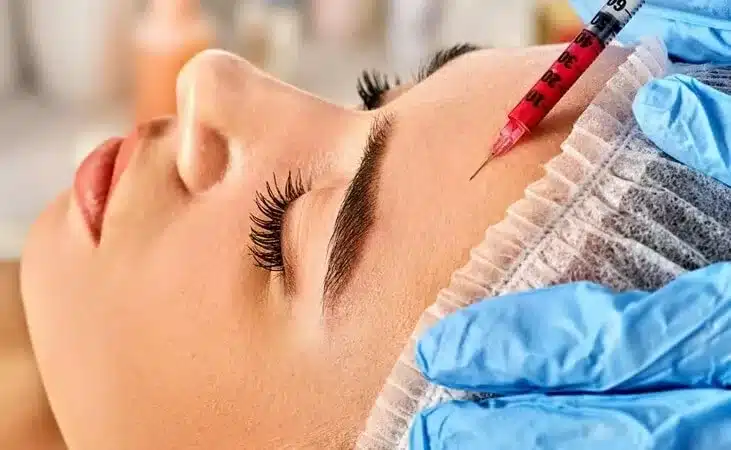
Dermal fillers are designed to enhance facial features, restore lost volume, and create a smoother, more refreshed appearance. However, the final results do not always become visible immediately after treatment. The injected filler needs time to integrate with the surrounding tissues and settle into its intended position. Understanding this process helps individuals develop realistic expectations and appreciate how their facial appearance gradually changes. Dermal Fillers in Dubai involve different techniques and formulations, making the settling period an important part of achieving balanced and natural-looking results. Once the filler settles, the treated areas generally appear softer, smoother, and more harmonious with the individual's natural facial structure.
What Does It Mean When Dermal Fillers Settle?
When dermal fillers settle, the injected material gradually integrates with the surrounding tissues. During this period, the initial fullness becomes more balanced, and the treated area starts reflecting its intended shape.
The settling process involves several natural changes:
-
The filler becomes more evenly distributed within the treated area.
-
Initial swelling gradually subsides.
-
Facial contours become more defined and balanced.
-
The injected material integrates with the surrounding tissue.
-
The final appearance becomes easier to evaluate.
This adjustment period allows the face to adapt to the added volume while maintaining its natural expressions and proportions.
How Long Does It Take for Dermal Fillers to Settle?
The settling period depends on the treatment area, filler composition, injection technique, and individual tissue characteristics. Some changes may become noticeable within a few days, while the final appearance can take approximately two to four weeks to develop.
Different facial areas may require different adjustment periods because tissue thickness, movement, and facial structure vary.
For example, areas with frequent movement may take additional time to show their final appearance. Similarly, treatments involving deeper facial structures may require patience before the full contouring effect becomes visible.
A professional assessment helps establish a realistic timeline based on the individual's treatment plan.
What Changes Can Be Expected When Fillers Settle?
The settling process can bring several noticeable improvements to the treated area. As the filler integrates with the surrounding tissues, the initial appearance gradually becomes more refined.
More Natural Facial Volume
Immediately after treatment, the injected area may appear fuller than the intended result. As the filler settles, the volume becomes more balanced, creating a softer and more natural appearance.
Improved Facial Contours
Fillers can enhance areas such as the cheeks, chin, jawline, and temples. Once settled, these areas may display more defined contours that complement the individual's facial proportions.
Smoother Skin Appearance
Dermal fillers can help soften the appearance of certain lines and folds by restoring volume beneath the skin. After settling, the treated areas may appear smoother and more refreshed.
Better Facial Symmetry
Carefully planned filler placement can help address differences in facial volume and proportions. Once the material settles, the overall appearance may look more balanced.
Natural Facial Expressions
A well-planned treatment aims to preserve normal facial movement. Once the filler integrates, the enhanced area should complement the individual's expressions rather than appear disconnected from the surrounding features.
Which Areas Are Commonly Affected by the Settling Process?
The settling process can vary according to the facial area receiving treatment. Each region has different tissue characteristics and movement patterns.
Cheeks
Cheek fillers help restore volume and improve facial contours. As the filler settles, the cheeks may develop a smoother transition between the under-eye area and midface.
Lips
Lip fillers enhance lip volume, shape, and definition. The initial fullness gradually becomes more balanced as the injected material settles into the surrounding tissue.
Jawline
Jawline fillers are used to improve lower-face definition. After settling, the contour may appear more integrated with the chin and surrounding facial structure.
Chin
Chin fillers can improve projection and facial proportions. The settling period allows the enhanced shape to become more naturally integrated with the lower face.
Nasolabial Folds
Fillers in this region can soften the appearance of lines extending from the nose towards the corners of the mouth. Once settled, the area may appear smoother.
What Factors Influence How Quickly Dermal Fillers Settle?
Not everyone experiences the same settling timeline. Several factors influence how quickly the injected material integrates with the surrounding tissues.
Type of Filler
Different filler formulations have different consistencies and structural properties. These characteristics influence how the material behaves within the treated area.
Treatment Location
Areas with frequent movement, such as the lips, may have different settling patterns from less mobile regions, such as the cheeks.
Individual Tissue Characteristics
Skin thickness, facial anatomy, and natural tissue composition can influence the appearance of the final result.
Injection Technique
The depth, placement, and amount of filler used can affect how the treated area develops during the settling period.
Treatment Objectives
Treatments focused on subtle refinement may have different visual outcomes from procedures designed to restore more noticeable facial volume.
What Are the Two Main Approaches to Dermal Filler Treatment?
Dermal filler procedures can address different aesthetic concerns depending on the individual's facial anatomy and desired outcome. Two important approaches are facial volume restoration and facial contour enhancement.
Facial Volume Restoration
Facial volume restoration focuses on areas that have lost fullness over time. Changes in natural fat distribution and skin structure can make certain facial regions appear hollow or less defined.
This approach may involve:
-
Restoring volume in the cheeks.
-
Improving the appearance of hollow temples.
-
Softening selected facial folds.
-
Supporting a fuller and more refreshed facial appearance.
As the filler settles, the restored volume can create smoother transitions between different facial regions.
Facial Contour Enhancement
Facial contour enhancement focuses on improving the definition and proportions of selected facial features. It is generally planned around the individual's facial structure and aesthetic goals.
This approach may involve:
-
Enhancing chin projection.
-
Defining the jawline.
-
Improving cheekbone contours.
-
Refining facial proportions.
After settling, the treated areas can appear more integrated with the individual's natural features.
Both approaches require an individualized assessment to determine suitable treatment areas, placement, and volume.
How Can the Final Results Be Evaluated?
The final appearance should be assessed after the initial settling period rather than immediately following the procedure. This allows temporary changes in volume to become less prominent and makes the overall outcome easier to evaluate.
A professional evaluation may consider:
-
Facial symmetry and proportions.
-
The distribution of added volume.
-
The appearance of treated lines and folds.
-
The definition of enhanced facial features.
-
Whether the results match the original treatment goals.
A follow-up assessment can also help determine whether the outcome has developed as expected.
Frequently Asked Questions
Do Dermal Fillers Look Different After Settling?
Yes. The initial appearance may look fuller, while the settled result generally appears softer and more balanced as the filler integrates with surrounding tissues.
How Many Days Do Dermal Fillers Take to Settle?
Some visible changes develop within several days, but the final appearance commonly takes around two to four weeks, depending on the treatment area and individual characteristics.
Do Lip Fillers Become Smaller After Settling?
The initial fullness of the lips may decrease as temporary swelling subsides. The settled appearance generally reflects the actual volume enhancement more accurately.
Can Facial Fillers Look More Natural After Settling?
Yes. As the filler integrates with surrounding tissues, the treated area may develop a smoother transition and a more natural-looking contour.
Do All Facial Areas Take the Same Time to Settle?
No. Different facial areas have different tissue structures and movement patterns, so their settling timelines can vary.
When Can the Final Filler Results Be Seen?
The final appearance is generally easier to evaluate after approximately two to four weeks, although the timeline depends on the filler formulation, treatment area, and individual response.
Conclusion
The settling process is an important stage of dermal filler treatment because it allows the injected material to integrate with surrounding tissues and develop its intended appearance. During this period, initial fullness gradually becomes more balanced, facial contours become more refined, and the treated areas can appear naturally enhanced. Understanding the difference between facial volume restoration and facial contour enhancement also helps individuals recognise how different treatment approaches address specific aesthetic concerns. With appropriate treatment planning, realistic expectations, and professional evaluation, the final outcome can complement natural facial proportions while supporting a refreshed and harmonious appearance.

