


Why Medical Pouch Testing Matters for Hospitals
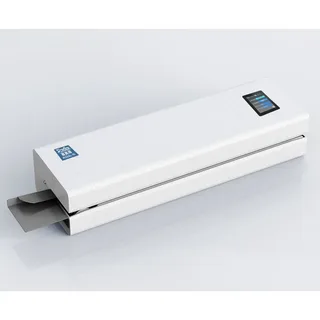
Hospitals rely on properly processed and packaged medical instruments to support safe and effective patient care. From surgical tools to medical accessories, many healthcare products require specialised packaging that protects them from contamination during storage, handling and transportation. Even when a product has been sterilised correctly, damaged packaging or an unreliable seal can compromise its sterile barrier. This makes packaging quality an important part of hospital infection prevention and control procedures.
Medical Pouch Testing helps healthcare organisations assess whether medical packaging meets the required performance and integrity criteria. By examining seals, identifying leaks and evaluating packaging strength, hospitals can detect potential problems before packaged products are released for use. For healthcare facilities in the UK, understanding these testing procedures is essential for maintaining reliable packaging practices, supporting quality management and avoiding unnecessary costs. Brands such as vanderstahl can also be explored when researching suitable medical packaging and testing equipment.
Why Medical Packaging Integrity Matters in Hospitals
Medical pouches are designed to protect instruments and other healthcare products after the appropriate sterilisation process. Their performance depends on several factors, including material quality, seal consistency, packaging design and correct handling.
A pouch with a weak seal, small leak or damaged surface may fail to provide the intended protection. This can create problems during storage and transportation, potentially requiring the packaged item to be rejected and processed again.
Medical Pouch Testing helps hospitals assess these risks through structured testing methods. Rather than relying only on visual inspection, healthcare organisations can use appropriate tests to evaluate the physical performance of their packaging.
This is particularly important in central sterile services departments (CSSDs), where large quantities of medical instruments and supplies are prepared and packaged regularly.
1. Detecting Weak Seals Before They Become a Problem
A medical pouch can look properly sealed while still containing defects that are difficult to identify with the naked eye. Small channels, incomplete sealing areas and inconsistent seal formation may affect packaging integrity.
Medical Pouch Testing provides a way to examine the quality of these closures. Depending on the packaging material and test method, organisations can assess whether the seal has the required strength and whether any defects could compromise the package.
Medical packaging seal strength testing is particularly useful for evaluating the force required to separate sealed packaging materials. It helps determine whether a seal is too weak, excessively strong or inconsistent with the established acceptance criteria.
For hospitals, this information supports better quality control. Identifying sealing problems early can prevent unsuitable packages from progressing through the packaging and sterilisation workflow.
2. Supporting Sterile Packaging Integrity
Maintaining the sterile barrier is a key requirement for medical packaging. Once instruments have undergone the appropriate sterilisation process, their packaging must protect them from contamination until they are presented for use, provided the package remains intact and is stored and handled correctly.
Medical Pouch Testing helps assess whether packaging performs its intended protective function. Testing can identify defects that may not be obvious during routine handling or basic visual checks.
Sterile packaging integrity testing may involve different methods depending on the packaging design, materials and intended application. These methods can help assess seal integrity, detect leaks and identify physical damage.
It is important to understand that testing does not sterilise medical products. Instead, it provides evidence about packaging performance and helps organisations evaluate whether their packaging system meets the required specifications.
3. Identifying Leaks Through Appropriate Testing Methods
Small leaks can be difficult to detect, particularly in packages with complex sealing areas or flexible materials. However, even minor defects may affect the ability of packaging to maintain its intended barrier.
Medical Pouch Testing can include specialised leak detection procedures to identify potential pathways through which air or other substances may pass.
Pouch leak detection testing medical applications may involve methods such as bubble emission testing, dye penetration testing or other validated techniques, depending on the package construction and applicable requirements.
Bubble emission methods can help identify leaks by observing air escaping from a submerged package under specified conditions. Dye penetration methods may help reveal channels in certain seal configurations. Not every method is suitable for every pouch, so the testing approach must be selected according to the packaging material and the purpose of the assessment.
For hospitals, appropriate leak testing can provide useful information about packaging quality and help identify recurring sealing problems.
4. Improving Quality Control in Sterile Services Departments
CSSDs manage several important stages of medical instrument preparation, including cleaning, inspection, packaging and sterilisation. Each stage needs to follow established procedures to ensure that instruments are prepared appropriately.
Medical Pouch Testing supports this workflow by providing information about packaging performance. Testing results can help departments identify whether sealing equipment, packaging materials or operating procedures need attention.
For example, repeated failures in a particular packaging batch may indicate a material issue. Inconsistent seal strength may suggest that machine settings or maintenance procedures need reviewing.
When testing results are documented and reviewed, hospitals can identify patterns rather than treating every packaging failure as an isolated incident. This makes it easier to introduce corrective actions and improve process consistency.
5. Understanding Medical Packaging Standards
Medical packaging is subject to specific requirements designed to help maintain the integrity of sterile barrier systems. In the UK, healthcare organisations and medical device manufacturers should consider relevant international standards and applicable regulatory requirements.
ISO 11607 is particularly important because it addresses packaging for terminally sterilised medical devices. It covers materials, sterile barrier systems and packaging systems, including requirements relating to validation and performance.
Medical Pouch Testing can form part of the evidence used to assess whether a packaging system meets its defined requirements. ISO packaging validation testing medical devices may involve evaluating materials, sealing processes and package integrity through appropriate methods.
However, passing one individual test does not automatically establish compliance with the entire standard. The complete packaging system and relevant processes must be evaluated and validated according to the applicable requirements.
Hospitals should work with qualified packaging specialists and follow relevant guidance when establishing their testing procedures.
6. Reducing Packaging Failures and Unnecessary Costs
Packaging failures can create additional costs for hospitals. When a pouch does not meet the required acceptance criteria, staff may need to repeat packaging and processing activities. This can consume additional materials, staff time and department resources.
Medical Pouch Testing helps identify potential weaknesses before they lead to wider operational problems. By understanding the causes of failed seals or damaged packaging, healthcare organisations can take corrective action and reduce avoidable repetition.
For example, testing may reveal that a particular pouch material requires different sealing parameters. It may also identify problems linked to equipment maintenance, operator practices or packaging storage conditions.
Although testing requires time and resources, a well-planned quality control process can help prevent repeated failures. Hospitals should consider the overall cost of poor packaging quality rather than focusing only on the immediate expense of testing.
7. Choosing the Right Medical Pouch Testing Methods
Different medical packaging applications require different testing approaches. A test suitable for one type of pouch may not provide reliable results for another material or packaging design.
Medical Pouch Testing should therefore be planned according to the packaging system, intended sterilisation method and specific quality requirements.
Seal strength testing can help assess the mechanical performance of a seal. Leak detection methods can identify defects that may compromise package integrity. Visual inspection can also help identify wrinkles, burns, incomplete seals and visible damage.
Other evaluations may be necessary depending on the application, including package ageing, distribution simulation and performance testing after sterilisation.
Hospitals and manufacturers should establish clear acceptance criteria before testing begins. They should also ensure that the chosen methods are suitable for the packaging materials and are performed using appropriate procedures.
8. Why Equipment and Staff Training Matter
Reliable testing depends not only on the method but also on the equipment and people performing it. Testing instruments must be suitable for the intended application, maintained properly and used according to documented procedures.
Medical Pouch Testing results can become unreliable if equipment is poorly maintained or staff do not understand the testing process. Training helps operators follow consistent procedures, prepare samples correctly and interpret results appropriately.
Hospitals should also maintain records of testing activities, equipment checks and any corrective actions taken. These records can support internal audits and help demonstrate that packaging quality is being monitored.
When selecting testing equipment or services, healthcare organisations should review technical specifications, calibration requirements, training support and maintenance arrangements. Price matters, but equipment suitability and dependable technical support should remain important considerations.
9. The Importance of Sterile Barrier System Testing and Validation
A sterile barrier system must be evaluated as part of the complete packaging process rather than through one isolated test. Material selection, pouch design, sealing parameters, sterilisation compatibility and storage conditions can all influence packaging performance.
Medical Pouch Testing contributes to this broader evaluation by providing evidence about specific aspects of packaging quality.
Sterile barrier system testing and validation may include seal strength assessments, leak detection, visual inspection and other relevant performance evaluations. The exact programme depends on the medical device, packaging design and applicable standards.
Validation should establish that the packaging process consistently produces results that meet predefined requirements. It should also consider whether the packaging maintains its integrity throughout its expected handling, storage and distribution conditions.
This structured approach helps hospitals and manufacturers make informed decisions about packaging suitability and quality control.
Why Consider vanderstahl for Medical Packaging Solutions?
When researching medical packaging equipment and testing solutions, healthcare organisations should focus on technical suitability, reliable performance and long-term support.
vanderstahl is a brand that buyers can explore when comparing packaging equipment options. Before making a purchasing decision, hospitals and medical device manufacturers should review the available product specifications, intended applications and compatibility with their packaging requirements.
It is also useful to ask about technical documentation, maintenance guidance, operator training and after-sales support. These details can help buyers understand the practical requirements and long-term costs associated with their equipment.
Choosing equipment based on verified specifications rather than price alone can help organisations make more informed purchasing decisions.
Conclusion
Medical packaging plays an important role in protecting healthcare products after sterilisation. Weak seals, leaks and damaged pouches can compromise the intended sterile barrier, making reliable quality control essential for hospitals and medical device manufacturers.
Medical Pouch Testing helps organisations evaluate packaging performance through appropriate seal strength assessments, leak detection methods and other integrity checks. When supported by suitable equipment, trained staff and documented validation procedures, testing can improve quality control and help reduce avoidable packaging failures.
For UK healthcare organisations, understanding relevant standards and choosing suitable testing methods are important steps towards dependable packaging operations. Exploring brands such as vanderstahl can be part of the equipment research process, provided purchasing decisions are based on verified specifications and application requirements.

