


How Electronic Health Records Software Improves Patient Care and Safety
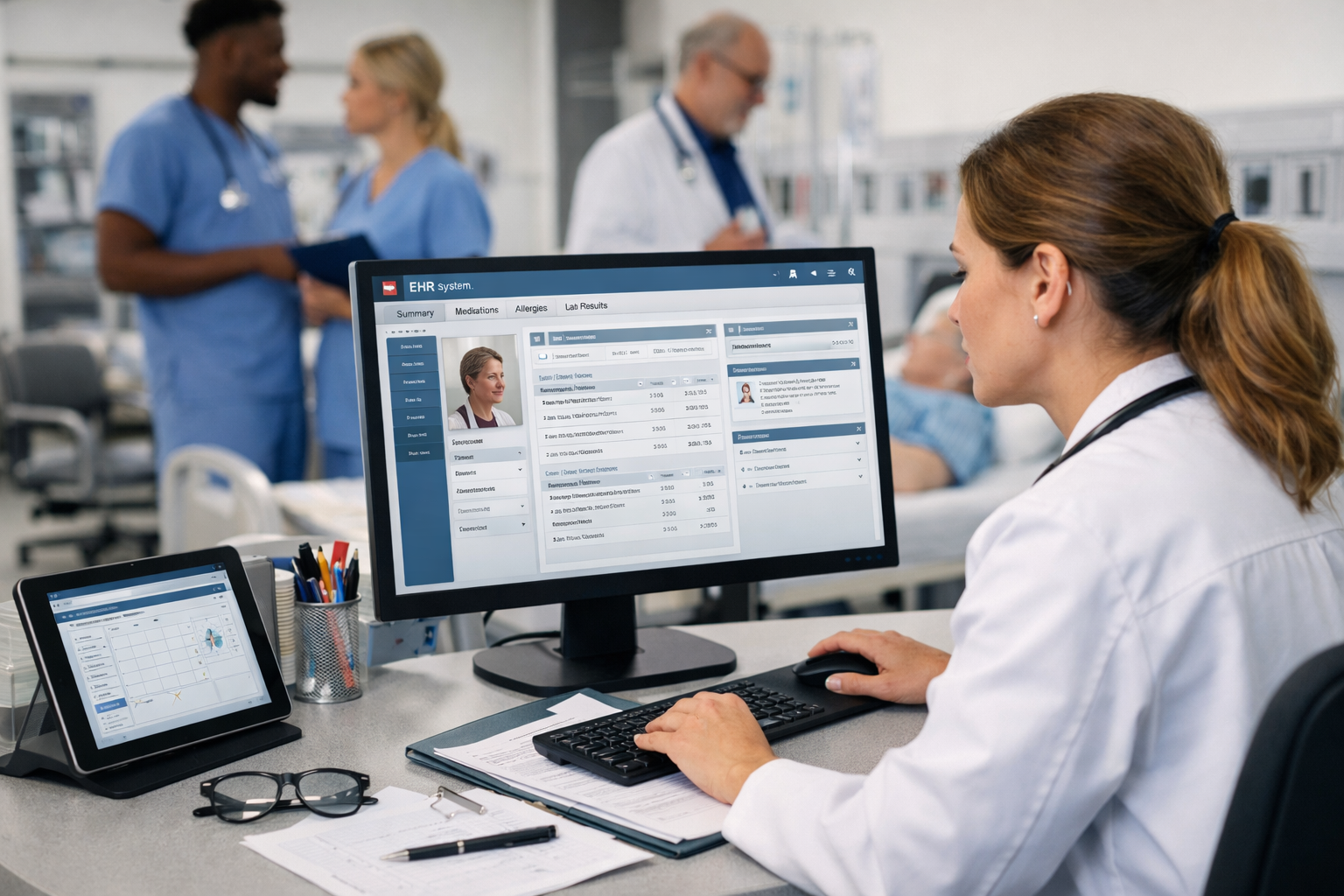
The transition from paper charts to digital systems has fundamentally changed the landscape of modern medicine. In today’s fast-paced clinical environments, healthcare providers are increasingly looking for the best electronic health records software to streamline their daily workflows. This shift is not just about moving away from physical filing cabinets; it is about creating a central nervous system for patient data that ensures accuracy, speed, and safety. When technology and medicine intersect effectively, the result is a significant reduction in human error and a marked improvement in the quality of care patients receive.
The Foundation of Modern Healthcare: What is EHR?
An Electronic Health Record (EHR) is more than just a digital version of a paper chart. it is a real-time, patient-centered record that makes information available instantly and securely to authorized users. While an Electronic Medical Record (EMR) typically contains the standard clinical data gathered in one provider’s office, an EHR is designed to go beyond that. It is built to share information with other healthcare providers, such as laboratories and specialists, so they contain information from all the clinicians involved in the patient’s care.
Reducing Medical Errors Through Digital Accuracy
One of the most critical advantages of digital record-keeping is the elimination of errors caused by poor handwriting or incomplete files. Before digital systems became the standard, a pharmacist might misread a doctor’s handwritten prescription, or a nurse might misinterpret a dosage written in a physical chart.
-
Legibility: Digital entries ensure that every prescription, diagnosis, and treatment plan is clear and readable.
-
Automated Alerts: EHR systems include built-in safety checks. If a doctor prescribes a medication that could interact negatively with a patient’s existing drugs or known allergies, the system triggers an immediate warning.
-
Standardization: Using structured templates ensures that clinicians do not skip vital steps during an assessment, leading to more consistent diagnostic results.
Real-Time Access to Comprehensive Patient History
In an emergency, every second counts. If a patient arrives at an ER unconscious, doctors need to know their blood type, allergies, and medical history immediately. EHR systems provide this data at the touch of a button.
Without these systems, providers often have to wait for faxed records or phone calls from other clinics. With the right software, a specialist can see the results of a blood test taken earlier that morning at a primary care clinic, preventing the need for redundant testing and saving the patient both time and physical discomfort.
Improving Coordination Across the Care Continuum
Patient care is rarely a solo effort. It usually involves a team consisting of primary doctors, specialists, pharmacists, and sometimes physical therapists. EHRs act as a "single source of truth" for this entire team.
When everyone sees the same information, the risk of "fragmented care" disappears. For example, if a cardiologist changes a patient’s blood pressure medication, the primary care physician is notified instantly through the shared record. This level of coordination ensures that the patient does not receive conflicting advice or treatments that could jeopardize their health.
Empowering Patients Through Portal Access
Patient safety is not just the responsibility of the doctor; it is a collaborative effort. Modern EHR systems include patient portals that allow individuals to view their own medical records, lab results, and immunization histories.
When patients have access to their own data, they become more engaged in their health journey. They can spot inaccuracies in their medical history, track their progress over time, and communicate directly with their providers through secure messaging. This transparency builds trust and ensures that the patient is an active participant in their safety protocols.
Enhancing Preventative Care and Population Health
EHR software is an excellent tool for preventative medicine. Instead of waiting for a patient to get sick, these systems use data analytics to keep them healthy.
-
Screening Reminders: Systems can automatically flag patients who are due for mammograms, colonoscopies, or vaccinations.
-
Chronic Disease Management: For patients with diabetes or hypertension, the software can track trends in glucose levels or blood pressure, allowing doctors to intervene before a crisis occurs.
-
Public Health Tracking: On a larger scale, EHRs help health organizations identify outbreaks of infectious diseases or trends in local health crises, such as the opioid epidemic, by analyzing anonymized data across populations.
Streamlining Administrative Efficiency and Billing
While clinical outcomes are the priority, the administrative health of a clinic is what keeps the doors open. A seamless integration between clinical records and financial management is essential. Modern practices often find that using the best medical billing software in conjunction with their EHR leads to fewer insurance claim denials and faster payment cycles.
When billing software is integrated directly with the clinical record, coding errors are significantly reduced. The system can automatically translate a clinical diagnosis into the correct billing code, ensuring that the patient is charged accurately and that the facility is reimbursed fairly. This administrative efficiency reduces the burnout of clinical staff, allowing them to spend more time with patients and less time on paperwork.
Data Security and Privacy
A common concern regarding digital records is the threat of cyberattacks. However, modern EHR systems are often much more secure than paper files. Paper charts can be lost, damaged in a fire, or read by unauthorized personnel.
Digital records are protected by:
-
Encryption: Data is encoded so that only authorized users can read it.
-
Audit Trails: The software keeps a record of every person who has accessed a patient’s file, creating a layer of accountability that does not exist with paper.
-
Remote Backups: In the event of a natural disaster, patient data remains safe in the cloud, ensuring continuity of care.
The Future of EHR and Patient Safety
As we move forward, the integration of Artificial Intelligence (AI) within EHR systems will further enhance safety. AI can analyze vast amounts of data to predict which patients are at high risk for conditions like sepsis or heart failure before symptoms even appear. By combining the human expertise of doctors with the processing power of the latest software, the healthcare industry is entering a new era of precision medicine.
Conclusion
Electronic Health Records have evolved from simple digital repositories into sophisticated tools that save lives. By reducing errors, improving communication between providers, and empowering patients, these systems have made healthcare safer and more efficient. For any healthcare facility looking to thrive in the modern age, investing in high-quality software is no longer optional; it is the cornerstone of responsible patient care.
Frequently Asked Questions
Is my medical information safe in an EHR system?
Yes, EHR systems are designed to meet strict government security standards like HIPAA. They use encryption, multi-factor authentication, and detailed access logs to ensure that only authorized healthcare professionals can view your data.
How do EHRs help in case of an emergency?
EHRs allow emergency room doctors to instantly access your medical history, including allergies, current medications, and past surgeries. This information is vital when a patient is unable to communicate.
Can EHR software really reduce medication errors?
Absolutely. The software checks for drug-to-drug interactions and ensures that dosages are within a safe range. It also eliminates the problem of unreadable handwriting, which was a leading cause of pharmacy errors in the past.
Do patients have to pay to access their records through a portal?
In most cases, access to the patient portal is a free service provided by the clinic or hospital. It is intended to encourage patient engagement and make it easier to manage appointments and lab results.
Does using EHR software take time away from the doctor-patient relationship?
While there is a learning curve, most doctors find that once they are proficient with the system, it actually saves time. It automates routine tasks like ordering refills and filing lab reports, giving the doctor more focused time to discuss health concerns with the patient.

