


What Is Hypertension? Symptoms, Causes, Treatments
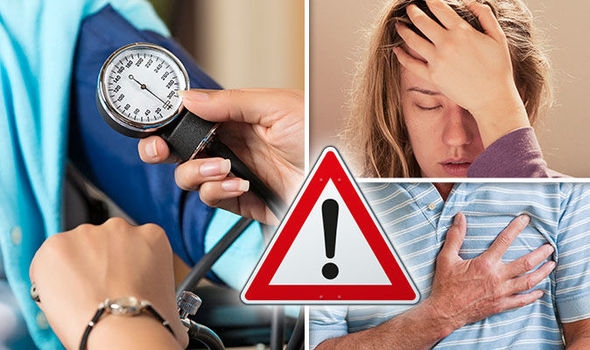
Hypertension, also known as high blood pressure, is a common but serious condition affecting millions worldwide. It occurs when the force of blood against the walls of your arteries is consistently too high, increasing the risk of heart disease, stroke, kidney damage, and other severe complications. Early recognition and management are crucial.
Understanding Hypertension and How It Impacts Your Overall Health
Hypertension is a chronic medical condition in which blood pressure levels remain elevated over time. It forces the heart to work harder than normal, damaging arteries and vital organs. Uncontrolled hypertension can lead to life-threatening issues such as heart attack, stroke, aneurysms, kidney failure, and vision problems.
Often called the “silent killer,” hypertension may develop gradually without noticeable symptoms, making routine monitoring vital. Awareness of risk factors, healthy lifestyle practices, and medical intervention are key to controlling blood pressure and preventing long-term health consequences.
Symptoms of Hypertension That Everyone Should Be Aware Of
Many people with hypertension may not experience symptoms until the condition becomes severe, which is why it is often undiagnosed. Common warning signs can include headaches, shortness of breath, chest pain, dizziness, nosebleeds, and blurred vision.
Severe hypertension can lead to fatigue, confusion, irregular heartbeat, and in some cases, episodes of anxiety or nosebleeds. Because symptoms are often subtle or absent, regular blood pressure checks are essential. Identifying high blood pressure early allows for prompt management to prevent serious complications.
Causes and Risk Factors of Hypertension You Should Know About
Hypertension can result from a combination of lifestyle, genetic, and medical factors. Primary hypertension, the most common type, develops gradually without a single identifiable cause. Secondary hypertension occurs due to underlying conditions such as kidney disease, hormonal disorders, sleep apnea, or certain medications.
Major risk factors include age, family history of high blood pressure, obesity, sedentary lifestyle, high salt intake, excessive alcohol consumption, smoking, and stress. Chronic conditions like diabetes and high cholesterol also increase the likelihood of developing hypertension. Controlling these risk factors is critical for prevention and long-term cardiovascular health.
How Hypertension Is Diagnosed – Tests and Evaluations
Diagnosis of hypertension involves measuring blood pressure using a sphygmomanometer during multiple visits. Blood pressure is expressed as systolic over diastolic (e.g., 130/80 mmHg). Readings consistently above 130/80 mmHg indicate high blood pressure according to current guidelines.
In addition to regular measurements, doctors may recommend home monitoring, ambulatory blood pressure monitoring, and blood and urine tests to check for underlying causes. Electrocardiograms (ECG) or echocardiograms may also be conducted to assess heart health. Accurate diagnosis is essential to develop an effective treatment plan and prevent long-term damage.
Treatment Options for Hypertension – Medications and Lifestyle Approaches
Treatment for hypertension combines lifestyle modifications with medical interventions. Lifestyle changes include adopting a balanced diet rich in fruits, vegetables, whole grains, and low-fat dairy, reducing salt intake, maintaining a healthy weight, exercising regularly, quitting smoking, and limiting alcohol. Stress management and sufficient sleep are equally important.
Medications are often prescribed when lifestyle changes alone are insufficient. Common classes include diuretics, ACE inhibitors, angiotensin II receptor blockers (ARBs), beta-blockers, calcium channel blockers, and sometimes combination therapy. Regular monitoring and adherence to prescribed medications are vital to prevent complications and maintain optimal blood pressure.
Preventive Measures to Reduce the Risk of Hypertension
Preventing hypertension involves a proactive approach to heart health. Eating a low-sodium, nutrient-rich diet, engaging in regular physical activity, avoiding tobacco and excessive alcohol, and managing stress significantly reduce risk. Routine blood pressure monitoring helps detect early changes, allowing timely intervention.
Maintaining a healthy weight, controlling blood sugar and cholesterol levels, and addressing underlying health conditions such as kidney or hormonal disorders are critical. Educating yourself on family history and risk factors can further guide preventive measures, ensuring long-term cardiovascular health.
Book Online Appointment With the Best Cardiologist via Instacare
If you have concerns about high blood pressure or wish to manage your hypertension effectively, booking an online appointment with a top cardiologist through Instacare is a convenient option. Instacare connects you with experienced heart specialists who evaluate risk factors, recommend tests, and create tailored treatment plans.
Online appointments save time and reduce unnecessary travel while providing expert guidance for lifestyle modifications, medications, and monitoring strategies. Timely consultation with a cardiologist can prevent serious complications and promote optimal heart health, giving you peace of mind and effective care.
Conclusion
Hypertension is a serious yet manageable condition that requires attention and proactive care. Understanding its symptoms, causes, risk factors, and treatment options is crucial to maintaining heart health and preventing complications such as heart attacks, strokes, and kidney damage.
Routine blood pressure monitoring, lifestyle adjustments, and timely medical intervention are essential for long-term well-being. Consulting a cardiologist, adopting healthy habits, and staying aware of personal risk factors can help control blood pressure and ensure a healthy, active life.
Frequently Asked Questions (FAQs)
1. Can hypertension be cured completely?
Hypertension cannot always be cured, but it can be effectively managed with lifestyle changes and medications to prevent complications.
2. How often should blood pressure be checked?
Adults should monitor blood pressure at least once every 1–2 years, or more frequently if diagnosed with hypertension or risk factors exist.
3. Are there natural remedies for lowering blood pressure?
Lifestyle measures like reducing salt, exercising, eating a balanced diet, and stress management can naturally lower blood pressure.
4. Can children develop hypertension?
Yes, though less common, children with obesity, kidney issues, or family history may develop high blood pressure and require monitoring.
5. What complications can uncontrolled hypertension cause?
Uncontrolled hypertension can lead to heart attacks, strokes, kidney damage, vision loss, and heart failure. Early management prevents these risks.

