


From Seed to Harvest: Your Complete Guide to Growing Healthy Broccoli
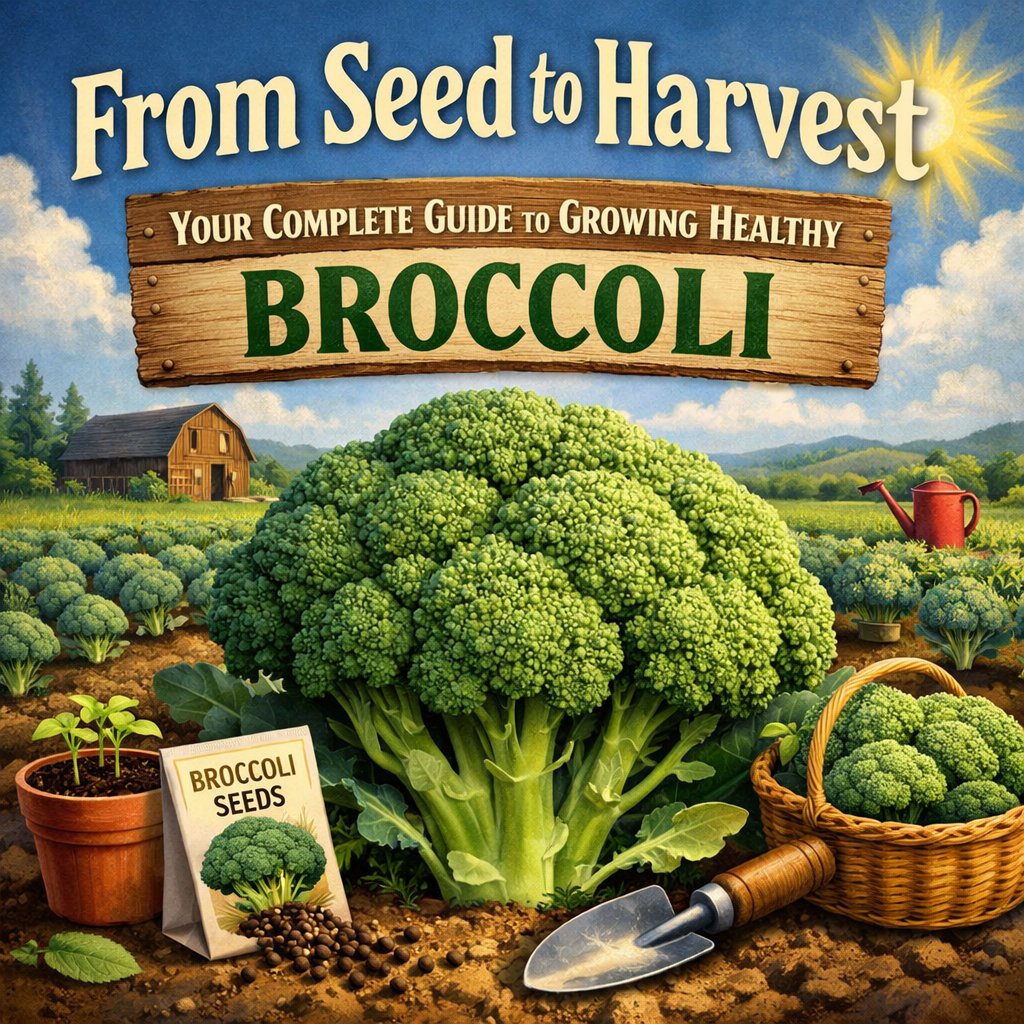
Broccoli is a highly nutritious vegetable that is also very easy to grow at home. With proper conditions and right care, you can get your own fresh and chemical-free vegetables straight from your garden to your table. This guide will provide you with the basic information that you need to know to grow your own broccoli vegetable plant without issues.
Choosing the Right Time and Variety
Broccoli is a vegetable that thrives well in cool weather, making it perfect for planting in spring and fall. In a lot of regions with snow, seeds should be planted indoors 6-8 weeks before the last frost. If you are directly sowing the plants in soil, you need to do it when the temperatures are mild. Popular varieties that you can choose from are Calabrese, Green Sprouting, and Purple Sprouting broccoli. You should pick a variety that is best suited for your region.
Preparing the soil
The process of preparing the soil, which begins with creating the right base for broccoli cultivation, continues until all necessary planting tasks are completed. Broccoli plants grow best in soil that contains organic matter and provides both fertility and proper drainage. Compost and aged manure should be mixed into the soil before planting to enhance its quality.
The growing area needs to have a pH level between 6.0 and 7.0, which falls within the acceptable range of slightly acidic to neutral. The planting area requires a minimum of 6 hours of direct sunlight exposure, which needs to occur every single day.
Planting Broccoli
Plant the seeds at a depth of ½ inch while maintaining a distance of 12 to 20 inches between each seed to provide adequate space for their development. The transplantation of seedlings requires users to install their roots at a greater depth than their previous container position for optimal root development. To help plants establish themselves in their new environment, water them thoroughly after you finish planting.
Watering and Feeding
The growth of high-quality broccoli requires a constant water supply. The plants require regular watering to maintain consistent soil moisture levels, which should not reach a state of excessive saturation. The application of mulch around plant stems creates two benefits: it prevents moisture loss, and it stops weed growth. To achieve maximum growth for broccoli, apply balanced vegetable fertilizer every few weeks because the plant requires high nutrient intake.
Protecting Your Plants
The broccoli plant attracts a variety of pests, including cabbage worms, aphids, and flea beetles. Users should check the leaves for pests and remove them by hand, or they should apply organic insecticides, which include neem oil. Plant protection from insects can be achieved through the use of row covers, which create physical barriers. The observation of diseases requires users to monitor for clubroot and other diseases, which can be prevented through seasonal crop rotation.
It is not very difficult for people to grow broccoli at home, as the process is quite simple when following the right steps. With proper preparation, regular care, and protection, you can grow and harvest your own broccoli at home without issues.
Source: Abodelook

