


Guitar Parts Mistakes That Turn Simple Upgrades Into Expensive Repairs
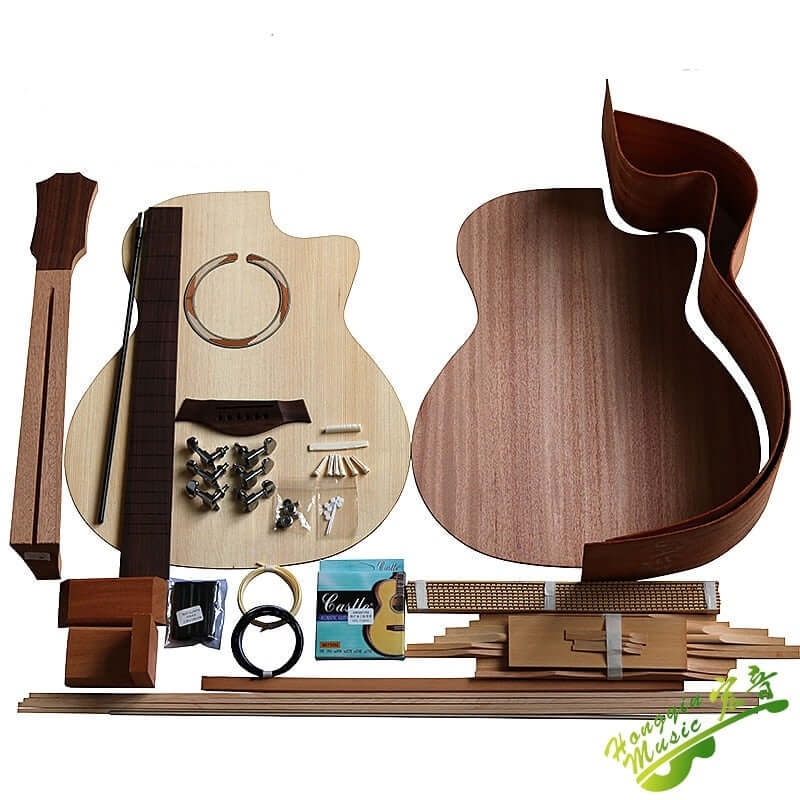
Upgrades often look simpler than they are. A tuner swap, bridge change, or saddle adjustment can seem minor, especially when the part looks straightforward in your hand. The problem is that guitars are built around small tolerances, and one rushed decision can create stripped screws, chipped finish, poor alignment, or a setup that suddenly feels worse than before. Most expensive repairs do not begin with dramatic damage. They begin with skipped checks and assumptions that felt harmless at the time. When the work is approached methodically, the result is usually cleaner, more stable, and far easier to correct if something shifts. In this article, we will discuss the upgrade mistakes that create avoidable damage and how to keep the process controlled.
Compatibility Assumptions That Create Hidden Damage
The most expensive errors usually start with "it should fit." Spacing, shaft diameter, thread pitch, and cavity depth decide whether a part installs cleanly or creates hidden stress. When you force alignment, you often deform something that does not show damage until later, such as a screw hole that gradually loses grip. Guitar parts should be selected by measurement, not confidence, because similar-looking items can behave very differently under tension. A common example is widening tuner holes slightly, only to discover small chips around the ferrules by the end of the weekend.
Over-Tightening and Tool Misuse That Strips Fasteners
Most DIY damage is cumulative rather than dramatic. Over-tightening compresses wood fibres, and once they collapse, the screw stops holding properly. The next removal feels worse, and suddenly a basic upgrade turns into plugs, glue, or oversized hardware. Another common mistake happens fast: someone uses the wrong screwdriver size, rounds a screw head, and keeps turning because it is "almost out." Now the real task is extraction, not installation. In practice, slower pressure is usually safer, because fast work often creates slow, expensive problems.
Skipping the Setup Baseline and Chasing Symptoms
When you change hardware but don’t document the starting point, you lose the ability to tell whether you improved anything or simply moved the problem elsewhere. This is why guitar setups matter before and after an upgrade. Relief, action, and intonation give you a baseline that keeps the diagnosis honest. Without it, players often blame the new part for a buzz that was already developing, or they raise the action until the instrument feels stiff. The pro of a baseline is that things are clear, but it is a con that it feels slower.
Acoustic-Specific Errors People Underestimate
Acoustic work often appears simple since there is little wiring involved, but the tolerances remain extremely tight. Things like saddle height, nut slot depth, and the friction of the bridge-pin fit can greatly affect both stability and "feel", and the margin for error is razor-thin. Acoustic guitar parts typically are at risk to have too much material removed too quickly, since it is very difficult to attach a piece well. For instance, it is not uncommon to thin the saddle "just a hair" for lower action and, in the process, leave weak break angle, strange volume, and a new rattle that only appears in wet weather. Frequent "test drives" and the cutting of smaller pieces can protect you from a rapidly incorrect point.
Storage and Transport Choices That Undo Good Work
A clean upgrade can still fail if the instrument is knocked around or exposed to rapid humidity changes immediately afterward. Hardware settles, wood moves, and fresh adjustments can drift faster than expected. If you want the work to hold, protection has to be part of the plan. Lightweight guitar cases for travel are useful when moving between rehearsals, lessons, and home storage because they reduce impact risk and soften environmental changes.
Conclusion
Most upgrade trouble follows a familiar pattern: assumptions about fit, too much force, no baseline measurement, and rushed adjustments that remove more material than intended. When the work is measured, documented, and done in small stages, expensive repairs become far less likely. Clean results usually come from restraint, not speed.
SOLO Music Gear supports DIY builders, hobbyists, and repair shops with parts, kits, and luthier tools through an online store that ships across Canada and the USA. If you prefer upgrades that are deliberate, consistent, and easier to control, sourcing dependable components and proper tools can make the process more predictable.
Frequently Asked Questions
Question: How do I know if a new part is really causing the problem?
Answer: Compare the instrument to your original measurements. If relief, action, or alignment changed after the install, the new part may be involved. If nothing changed on paper, the issue may have already existed.
Question: What is the most common mistake during simple upgrades?
Answer: Using too much force is one of the most common errors. People over-tighten screws, rush removal, or force alignment instead of checking fit first. The damage may look minor at the start, but stripped holes, compressed wood, and chipped finish can quickly turn a simple upgrade into repair work.
Question: Are acoustic upgrades less risky because they have fewer electronic parts?
Answer: Not necessarily. Acoustic work can be riskier because material removal is often permanent. Sanding a saddle too far or deepening a nut slot too much changes performance immediately and can be hard to reverse cleanly.

