


Modern Retrofitting Techniques for Safer Buildings
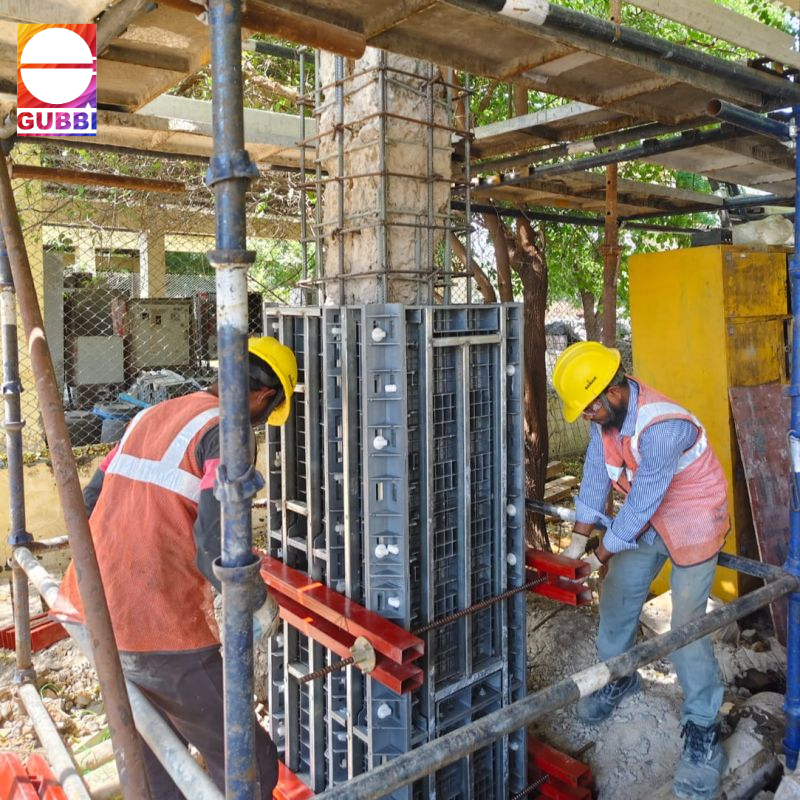
Retrofitting in construction is the process of modifying existing structures to improve their strength, durability, and overall performance. Older buildings often face structural weaknesses due to aging materials, environmental exposure, increased load requirements, and changing safety standards. Proper retrofitting helps extend the life of buildings while improving safety and functionality. It is widely used in residential, commercial, industrial, and infrastructure projects where structural stability becomes a major concern over time.
Modern construction industries focus heavily on structural rehabilitation because repairing and strengthening an existing structure is often more economical than complete demolition and reconstruction. Retrofitting solutions are designed according to the condition of the structure, foundation strength, and future usage requirements. Engineers carefully inspect buildings before implementing reinforcement techniques that improve structural performance, seismic resistance, and load-bearing capacity without affecting the original architecture significantly.
What is Retrofitting in Construction?
Retrofitting refers to upgrading an old or damaged structure with modern construction techniques and materials to improve its performance. It includes structural strengthening, foundation repair, seismic retrofitting, corrosion treatment, waterproofing, and concrete rehabilitation. The main objective is to increase the service life of buildings while maintaining structural safety. Retrofitting is commonly used for bridges, commercial buildings, residential apartments, factories, warehouses, and heritage structures that require enhanced durability.
Many buildings constructed decades ago were not designed to withstand present-day environmental conditions or increased occupancy loads. As urban development grows rapidly, structures face additional stress from vibrations, pollution, moisture intrusion, and climate changes. Retrofitting provides an effective solution to restore weakened components and improve structural reliability. It also helps property owners avoid major reconstruction costs while preserving the usability of the building during repair work.
Importance of Structural Retrofitting
Structural retrofitting plays a critical role in maintaining building safety and preventing structural failure. Cracks in concrete, corrosion in steel reinforcement, weakened columns, foundation settlement, and water seepage can reduce the overall stability of a structure. Timely retrofitting prevents these issues from becoming severe and helps maintain the integrity of the building. Engineers use advanced structural analysis techniques to determine the right retrofitting methods for long-term performance improvement.
Retrofitting is especially important in earthquake-prone regions where buildings require additional seismic resistance. Older structures may not comply with current earthquake-resistant building codes, making them vulnerable during seismic activities. Strengthening beams, columns, shear walls, and foundations significantly improves the building’s ability to resist lateral forces. Proper seismic retrofitting minimizes structural damage and enhances occupant safety during natural disasters and extreme environmental conditions.
Common Signs That a Building Needs Retrofitting
Buildings often show visible warning signs when structural strengthening becomes necessary. Large cracks in walls, uneven flooring, exposed reinforcement bars, concrete spalling, water leakage, and excessive deflection indicate structural deterioration. Ignoring these problems can lead to severe damage over time. Regular structural audits help identify hidden weaknesses and allow engineers to implement suitable retrofitting solutions before the damage affects the entire structure.
In many commercial and industrial buildings, increased machinery loads and additional floor modifications can create stress beyond the original design capacity. This overload may weaken columns, slabs, and foundations gradually. Retrofitting becomes essential to improve load-bearing capacity and maintain operational safety. Structural health monitoring and periodic inspections help property owners detect problems early and reduce long-term maintenance expenses significantly.
Types of Retrofitting Techniques
Different retrofitting methods are used depending on the structural condition and project requirements. Concrete jacketing is one of the most common techniques where additional reinforced concrete is added around existing columns and beams to increase strength. Steel jacketing is another effective method used to improve structural stability and seismic performance. Fiber-reinforced polymer wrapping is also widely used because of its lightweight nature and high tensile strength.
Foundation retrofitting is required when buildings experience settlement or soil instability. Underpinning techniques strengthen weak foundations and improve load distribution. Carbon fiber wrapping is commonly used for bridge rehabilitation and column strengthening because it provides excellent corrosion resistance and durability. Advanced grouting methods are also used to fill cracks and voids inside structural members, improving overall structural integrity and preventing water penetration.
Seismic Retrofitting for Earthquake Resistance
Seismic retrofitting focuses on strengthening buildings against earthquake forces. Older buildings may lack sufficient ductility and lateral resistance, increasing the risk of collapse during seismic activity. Engineers install shear walls, steel bracing systems, base isolators, and dampers to absorb seismic energy and reduce structural vibrations. These techniques significantly improve the safety and stability of buildings located in earthquake-sensitive regions.
Earthquake retrofitting also involves strengthening beam-column joints and enhancing foundation connections. Weak joints often become failure points during earthquakes, causing severe structural damage. Proper reinforcement ensures better load transfer throughout the building framework. Seismic retrofitting not only protects property and human life but also reduces repair costs after earthquakes by minimizing structural and non-structural damages effectively.
Benefits of Retrofitting Existing Structures
One major advantage of retrofitting is cost efficiency. Repairing and strengthening an existing structure is generally more affordable than complete rebuilding. Retrofitting reduces material wastage, demolition expenses, and construction downtime while improving structural safety. Property owners can continue using the building with minimal disruption during repair activities. This makes retrofitting an ideal solution for occupied commercial and residential buildings.
Another important benefit is improved durability and performance. Retrofitting enhances the load-bearing capacity of structures and increases resistance against environmental damage, corrosion, moisture intrusion, and seismic forces. It also improves energy efficiency and operational reliability in older buildings. Properly retrofitted structures can continue functioning safely for several decades, making them more sustainable and economically beneficial for long-term infrastructure management.
Role of Advanced Materials in Retrofitting
Modern retrofitting projects use advanced construction materials that provide higher strength and durability compared to traditional materials. Carbon fiber reinforced polymers, epoxy grouts, corrosion-resistant coatings, and high-performance concrete are commonly used in structural strengthening projects. These materials offer better bonding, lightweight performance, and superior resistance to environmental conditions, making them highly effective for modern retrofitting applications.
Advanced materials also help reduce construction time and labor costs. Fiber wrapping systems can be installed quickly without significantly increasing structural weight. High-strength repair mortars improve damaged concrete surfaces efficiently while maintaining long-term durability. The use of innovative technologies and modern repair materials allows engineers to achieve reliable strengthening solutions with minimal disruption to building operations and surrounding environments.
Waterproofing and Concrete Rehabilitation
Waterproofing is a major component of retrofitting because moisture penetration causes significant structural deterioration over time. Water seepage leads to corrosion of reinforcement bars, concrete cracking, and reduced structural strength. Effective waterproofing systems protect buildings from rainwater infiltration, basement leakage, and roof damage. Combining waterproofing with structural repair improves the overall life span and performance of the building.
Concrete rehabilitation involves repairing damaged concrete surfaces, restoring structural capacity, and preventing future deterioration. Techniques such as crack injection, patch repairs, anti-corrosion treatment, and protective coatings help restore weakened structural members. Proper rehabilitation ensures that buildings remain safe and functional while reducing future maintenance costs. It also improves the appearance and durability of aging structures significantly.
Structural Audit Before Retrofitting
A detailed structural audit is essential before starting any retrofitting project. Engineers assess the condition of foundations, beams, columns, slabs, and reinforcement systems to identify structural deficiencies accurately. Non-destructive testing methods such as rebound hammer tests, ultrasonic pulse velocity tests, and core testing help determine the quality and strength of existing concrete structures without causing additional damage.
The structural audit also helps engineers design customized retrofitting solutions according to the building’s current condition and future load requirements. Proper planning ensures that strengthening measures address the root causes of structural weakness effectively. A comprehensive assessment improves repair quality, project efficiency, and long-term safety while minimizing unnecessary repair costs and delays during execution.
Why Professional Expertise Matters in Retrofitting
Retrofitting requires specialized engineering expertise, technical knowledge, and high-quality construction practices. Improper strengthening methods can compromise structural safety instead of improving it. Working with experienced structural engineering professionals ensures reliable and effective retrofitting solutions.
Professional retrofitting experts conduct detailed structural investigations, design customized strengthening strategies, and execute repairs using advanced materials and technologies. They also ensure compliance with engineering standards and safety regulations. Companies like Gubbi Civil Engineers Limited provide comprehensive structural strengthening services for residential, commercial, industrial, and infrastructure projects. Their expertise in retrofitting, waterproofing, concrete rehabilitation, and seismic strengthening helps clients improve structural safety and durability. Experienced professionals also minimize project disruptions and deliver cost-effective strengthening solutions tailored to each structure’s requirements.
Retrofitting in construction is an essential process for strengthening existing structures and improving long-term safety. Aging buildings face multiple structural challenges such as cracks, corrosion, settlement, and seismic vulnerability that can compromise stability over time. Proper retrofitting techniques restore structural integrity, improve load-bearing capacity, and extend the service life of buildings while reducing reconstruction costs and operational disruptions significantly.
Modern retrofitting methods use advanced materials, engineering technologies, and repair systems to achieve durable and cost-effective strengthening solutions. From seismic retrofitting to waterproofing and concrete rehabilitation, every process contributes to safer and more reliable infrastructure.

