


Digestive Problems After Eid Meat: Causes, Prevention, and Remedies
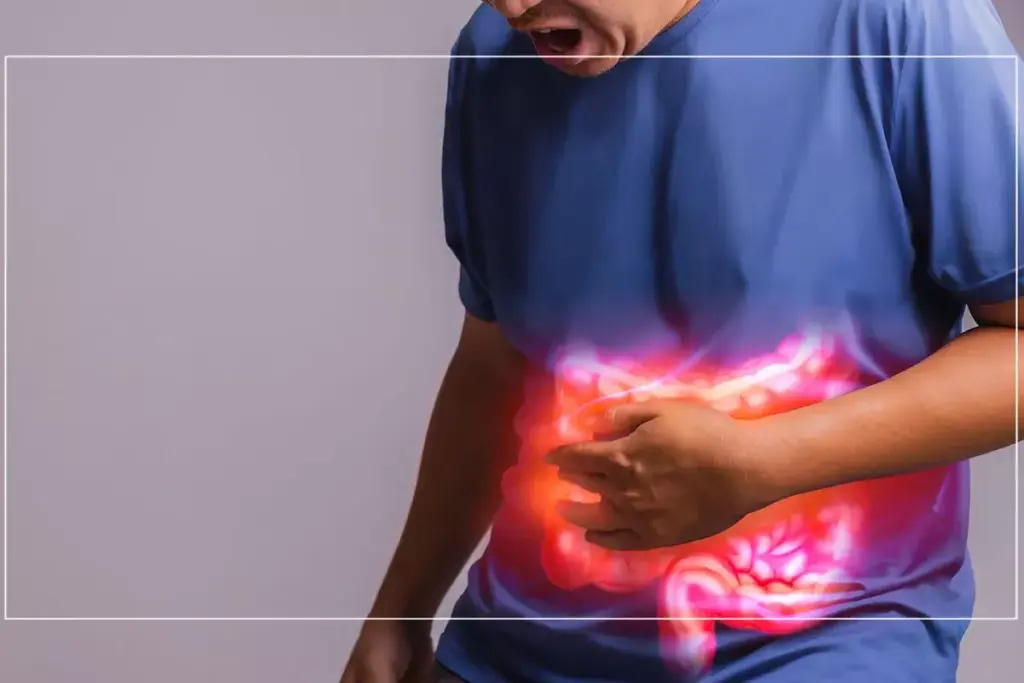
Eid celebrations often revolve around lavish feasts, particularly meat dishes. While delicious, excessive consumption of rich, fatty meats can strain the digestive system, leading to discomfort, bloating, and other gastrointestinal issues. Understanding the causes, preventive measures, and remedies can help you enjoy festive meals without compromising your digestive health.
Why Eid Meat Feasts Often Cause Digestive Distress: Exploring the Main Triggers
During Eid, it is common to consume large quantities of fatty, spiced, and fried meats in a short time. The sudden increase in protein, fat, and spices can overwhelm the stomach and intestines, disrupting normal digestion. Additionally, irregular meal timings and indulgence in sweets exacerbate gastrointestinal stress.
High-Fat Meats and Overeating: How Rich Dishes Slow Digestion and Cause Discomfort
Meats like mutton, beef, and heavily marinated chicken contain high levels of fat and protein, which take longer to digest. Overeating these foods slows gastric emptying, leading to bloating, heartburn, and gas. When combined with oily cooking methods or rich sauces, the digestive system becomes even more burdened.
Spices and Seasonings: Why Flavorful Eid Meals Can Trigger Gastrointestinal Irritation
Eid meat dishes are often heavily spiced with chili, black pepper, garlic, and other aromatic seasonings. While flavorful, these spices can irritate the stomach lining and increase acid production, leading to heartburn, acid reflux, or indigestion, particularly in individuals with sensitive digestive systems or pre-existing conditions.
Foodborne Contamination: How Improper Meat Handling Can Lead to Digestive Illness
Improperly stored, undercooked, or contaminated meat is a major source of foodborne illness. Bacteria like Salmonella, E. coli, and Listeria can multiply rapidly in meat left at unsafe temperatures. Consuming such meat can trigger nausea, vomiting, diarrhea, abdominal cramps, and even more severe digestive complications.
Alcohol and Carbonated Beverages: How Drinks Compound Digestive Problems After Heavy Meals
Many festive gatherings include soft drinks, sodas, or alcoholic beverages alongside meat dishes. Carbonation and alcohol relax the esophageal sphincter and increase stomach acid, contributing to bloating, reflux, and indigestion. Drinking excessively during meals can further slow digestion and aggravate gastrointestinal discomfort.
Common Digestive Symptoms After Overindulgence in Eid Meat
After a heavy meat feast, people often experience symptoms such as bloating, abdominal pain, heartburn, nausea, constipation, or diarrhea. Some may also notice fatigue, loss of appetite, or mild dehydration. Recognizing these early symptoms helps in taking timely measures to restore digestive balance and comfort.
Preventive Measures: How to Enjoy Eid Meat Without Upsetting Your Digestive System
Moderation is key to avoiding post-Eid digestive problems. Consuming smaller portions of meat, balancing meals with vegetables and fiber-rich foods, and staying hydrated helps digestion. Eating slowly, avoiding overeating, and limiting fried or heavily spiced dishes also prevent strain on the stomach and intestines.
Smart Cooking Practices: Tips for Preparing Meat That Is Easier to Digest
Cooking meat using healthier methods such as grilling, baking, or steaming reduces fat content while preserving flavor. Using herbs like ginger, mint, and coriander instead of excessive chili can soothe digestion. Ensuring meat is properly cooked and stored at safe temperatures lowers the risk of foodborne illnesses.
Home Remedies for Digestive Problems After Eid Meat Indulgence
Several home remedies can relieve mild digestive discomfort. Warm water with lemon, ginger tea, peppermint, or fennel seeds aid digestion and reduce bloating. Light physical activity, such as walking after meals, stimulates intestinal movement. Probiotics or yogurt can restore gut flora and improve overall digestive health.
When to Seek Medical Help: Recognizing Severe Digestive Issues
While most post-Eid digestive discomfort resolves within a few days, persistent or severe symptoms like prolonged vomiting, blood in stool, extreme abdominal pain, or dehydration require professional attention. Ignoring these signs may worsen underlying gastrointestinal conditions, necessitating timely consultation with a gastroenterologist.
Book Online Appointment With the Best Gastroenterologist Via Instacare for Relief
If digestive problems persist after Eid meat consumption, consulting a qualified gastroenterologist is essential. Instacare allows you to book online appointments quickly with top digestive specialists, offering personalized diagnosis, treatment, and dietary guidance. Early consultation ensures faster recovery and prevents complications from recurring digestive issues.
Five Commonly Asked Questions About Digestive Problems After Eid Meat
1. Why do I feel bloated after eating meat-heavy Eid meals?
High-fat and protein-rich meals slow digestion and increase gas production, causing bloating.
2. Can spicy meat cause long-term digestive problems?
In moderation, spices are generally safe, but excessive consumption may trigger heartburn or acid reflux, especially in sensitive individuals.
3. How long does digestive discomfort last after overeating?
Mild symptoms usually subside within 24–48 hours with proper hydration, light meals, and rest.
4. Are home remedies effective for post-Eid digestive issues?
Yes, remedies like ginger tea, peppermint, and yogurt can aid digestion and soothe the stomach naturally.
5. When should I see a gastroenterologist after Eid meals?
Seek medical help if symptoms persist beyond a few days, include severe pain, vomiting, diarrhea, or blood in stool.

