


Portable Domination: How Mobile Safety Devices Led the 2023 Gas Analyzer Market
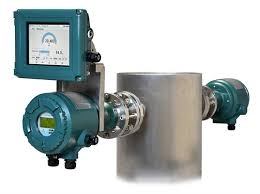
The global gas analyzers market is experiencing a profound technological transformation, evolving from bulky, manual sampling systems into highly integrated, smart, and real-time analytical units. Spurred by aggressive global decarbonization mandates, tightening occupational safety standards, and the widespread adoption of the Industrial Internet of Things (IIoT), gas analysis is no longer just a compliance box to check—it is vital to process efficiency.
The global industry was valued at US$ 4.8 Billion in 2023 and is estimated to advance at a highly robust CAGR of 9.6% from 2024 to 2031, ultimately doubling to reach US$ 10.0 Billion by the end of 2031.
- Primary Market Drivers: Decarbonization and Connected Safety
The journey toward a US$ 10.0 Billion market value is primarily propelled by three core industrial trends:
- Stringent Emission Control Regulations: Environmental agencies worldwide continue to slash allowable thresholds for greenhouse gases (GHGs) and volatile organic compounds (VOCs). Facilities are heavily expanding their Continuous Emissions Monitoring Systems (CEMS) to avoid escalating carbon taxes and severe regulatory penalties.
- The Rise of Mobile and Confined-Space Safety: Portable gas analyzers captured a dominant 60.6% market share in 2023. Rigorous workplace safety audits and strict confined-space entry mandates require compact, rugged, and highly reliable devices capable of rapid data generation on-site.
- IIoT and Remote Monitoring Integration: Modern gas analyzers are increasingly designed as connected edge devices. Integrating them into broader IoT frameworks allows plants to track real-time gas data remotely, enabling predictive maintenance schedules and instantaneous automated safety shutdowns.
- Analytical Technology Shifts
The fundamental hardware used to measure gas matrices is undergoing a rapid evolution:
- Non-Dispersive Infrared (NDIR) Dominance: NDIR remains the most widely deployed technology due to its long-standing, cost-effective reliability in tracking baseline gases like carbon dioxide ($CO_2$), methane ($CH_4$), and standard hydrocarbons.
- Laser Spectroscopy Acceleration: High-precision technologies like Tunable Diode Laser Absorption Spectroscopy (TDLAS) and Cavity Ring-Down Spectroscopy (CRDS) are growing at the fastest rate. Heavy industrial end-users favor these systems for their cross-gas immunity (preventing false readings from overlapping gas lines) and their ability to operate in-situ directly within harsh, high-heat process streams without fouling.
- Key End-User and Application Segments
- Oil & Gas and Petrochemicals: This sector remains the primary consumer of gas analyzer systems. Upstream, midstream, and downstream operations rely on them constantly for pipeline leak detection, hydrocarbon composition analysis, and checking trace gas purity.
- Emerging Healthcare & Pharmaceutical Demands: Medical-grade gas analysis is expanding rapidly. Hospitals utilize highly sensitive systems to safely monitor anesthetic gases and respiratory delivery in intensive care environments, while pharmaceutical facilities use them to ensure sterile, controlled environments during drug formulation.
- Power and Utilities: Driven by the global push for cleaner energy grids, power stations are implementing advanced analyzers to track efficiency in waste-to-energy plants, traditional biomass boilers, and emerging green hydrogen storage systems.
Challenges Restraining the Market
While market demand is accelerating, high capital costs present a notable barrier. Advanced systems—particularly laser-based or multi-gas continuous analyzers engineered for hazardous environments—require a significant up-front investment. Beyond initial procurement, the total cost of ownership is further impacted by operational realities. These precision instruments demand routine calibration using expensive certified specialty gases, regular sensor replacements, and highly trained personnel to combat sensor drift and ensure uninterrupted regulatory compliance.

