


Modern Hair Replacement Trends Gaining Popularity in 2026
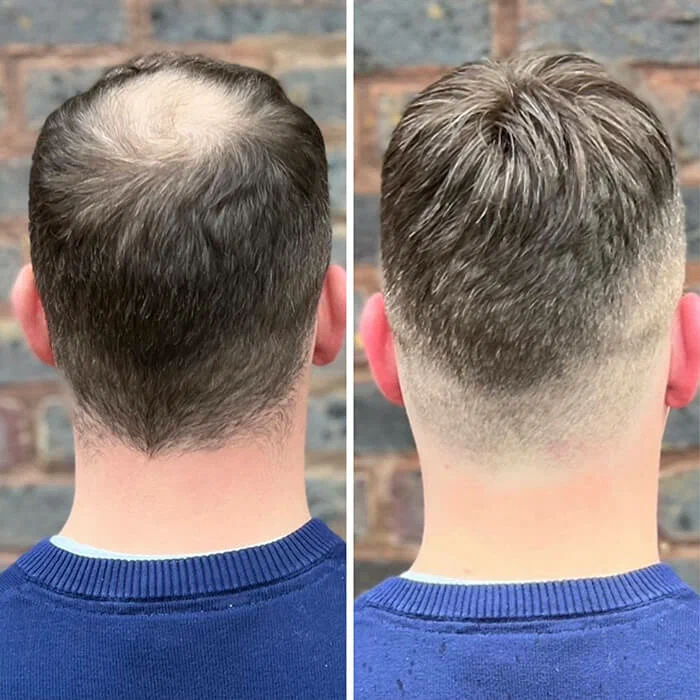
The hair restoration industry has evolved more rapidly in the past five years than in the previous two decades. Innovation, accessibility, and changing consumer expectations have driven this transformation. Men and women alike are seeking solutions that are effective, natural-looking, and minimally disruptive. The trends gaining momentum in 2026 reflect a sophisticated understanding of hair biology. They also reflect the growing demand for personalized, technology-driven restoration approaches.
The Shift Toward Regenerative and Biological Approaches
The most significant trend in modern hair restoration is the move toward regenerative medicine. Rather than simply managing symptoms, regenerative approaches aim to revitalize follicle biology. The goal is to restore the follicle's own capacity to produce healthy, robust hair. This fundamental shift represents a new paradigm in how hair loss is conceptualized and treated.
Platelet-rich plasma therapy has become a flagship regenerative treatment in this movement. Its use of the patient's own biological material aligns with broader regenerative medicine principles. Growth factors derived from the patient's own platelets stimulate natural recovery mechanisms. This biological authenticity resonates strongly with health-conscious consumers seeking natural solutions.
Exosome Therapy as an Emerging Frontier
Exosome therapy represents one of the most exciting emerging trends in hair restoration. Exosomes are cell-derived vesicles containing potent signaling molecules and growth factors. When applied to the scalp, they communicate with follicle cells and stimulate regeneration. Early clinical evidence suggests impressive results, particularly for advanced or treatment-resistant cases.
Research is actively expanding the evidence base for exosome therapy in hair restoration. Standardization of exosome preparations is advancing to ensure consistent clinical outcomes. This treatment is currently available at select specialized clinics offering cutting-edge care. Its growing body of evidence positions it as a future mainstream non-surgical option.
Technology-Driven Personalization of Treatment
Personalized medicine has become the defining principle of modern hair restoration in 2026. Generic treatment protocols are being replaced by data-driven, individualized approaches. Genetic testing now identifies specific predispositions to androgenetic alopecia and treatment responsiveness. This information allows specialists to tailor programs with unprecedented precision.
Artificial intelligence is playing an increasingly important role in diagnosis and planning. AI-powered scalp analysis platforms assess density, follicle miniaturization, and pattern classification. They provide objective, reproducible measurements that human assessment alone cannot match. This technological precision improves both diagnosis accuracy and treatment monitoring consistency.
Digital Tracking and Progress Documentation
Digital progress tracking has become a standard feature of modern hair restoration programs. High-resolution photography taken under standardized lighting documents density changes. AI comparison tools quantify improvements that are often invisible to the unaided eye. This objective documentation motivates patients and guides clinical decision-making effectively.
Patients access their progress data through clinic portals and dedicated applications. Remote monitoring between appointments reduces the need for frequent in-person visits. Digital communication with specialists allows for timely adjustments without the friction of scheduling. This technology-enhanced model of care improves both adherence and patient satisfaction measurably.
The Rise of Combination Therapy Protocols
Combination therapy protocols have become the gold standard in modern hair restoration practice. Research consistently demonstrates that multi-modal approaches outperform single-modality treatments. Combining medical therapy with regenerative treatments and energy-based devices maximizes results. Each component addresses a different biological aspect of hair loss comprehensively.
A typical modern protocol might combine finasteride, PRP, and low-level laser therapy. Nutritional optimization and scalp care are incorporated as essential supporting elements. This comprehensive approach leaves no contributing factor unaddressed and produces superior outcomes. Specialists who design individualized combination protocols deliver the highest standard of care available.
The Synergistic Effect of Combined Treatments
The synergy between combined treatments produces results greater than their individual contributions. PRP growth factors enhance the tissue environment in which minoxidil operates more effectively. Laser therapy amplifies cellular responsiveness to the growth factors delivered by PRP. Each treatment makes the others work better, compounding the cumulative benefit significantly.
Understanding this synergy has changed how specialists approach treatment planning fundamentally. Single-treatment protocols are increasingly seen as suboptimal for most patients. The modern standard involves orchestrating multiple treatments into a coherent and personalized strategy. This orchestration is itself a specialized skill that distinguishes expert practitioners.
The Popularity of Non-Surgical Approaches in 2026
Non-surgical options have firmly claimed the dominant position in hair restoration preference. Men and women who would previously have considered surgery are now pursuing non-surgical programs. The results achievable without surgery have improved sufficiently to satisfy the majority of patients. Surgical hair restoration, while still valuable in specific cases, is no longer the default aspiration.
Those exploring non-surgical hair replacement in 2026 find a mature and effective ecosystem of options. The evidence base is strong, the providers are increasingly specialized, and access has expanded. Telehealth consultations, home delivery of treatments, and at-home devices have democratized access. Geographic location is no longer the barrier to quality non-surgical care that it once was.
At-Home Technology Gaining Clinical Credibility
At-home treatment devices have gained significant clinical credibility in 2026. Earlier generations of consumer laser devices were criticized for insufficient power. Modern devices deliver therapeutic levels of energy in user-friendly and aesthetically appealing formats. Clinical validation studies have demonstrated meaningful hair density improvements from consistent home use.
Subscription models for at-home treatments have simplified the logistics of ongoing care. Men and women receive their prescribed topicals, supplements, and devices on a scheduled basis. Adherence improves when treatment requires minimal friction and planning from the patient. This convenience-driven model is driving greater long-term commitment and therefore better outcomes.
Wellness Integration and Holistic Hair Health
A notable trend in 2026 is the integration of hair restoration into broader wellness frameworks. Hair health is increasingly understood as a reflection of systemic health status. Inflammation, stress, poor nutrition, and hormonal imbalance all affect follicle function. Addressing these systemic factors is now considered an essential part of comprehensive restoration.
Specialists increasingly collaborate with functional medicine practitioners and nutritionists. This interdisciplinary approach addresses the full range of factors contributing to hair loss. Patients receive guidance on diet, stress management, sleep, and hormonal health alongside hair-specific treatments. The whole-body perspective produces better hair outcomes and broader health improvements simultaneously.
Mental Health and Hair Restoration
The psychological dimension of hair loss is receiving greater attention in modern practice. Hair loss causes anxiety, depression, and social withdrawal for many people. Restoration specialists are increasingly incorporating mental health awareness into their patient care models. Some clinics now offer psychological support as part of comprehensive restoration programs.
Addressing the emotional impact of hair loss alongside its physical treatment improves outcomes. Patients who receive psychological support tend to adhere better to their treatment protocols. They maintain more realistic expectations and experience greater satisfaction with their results. This holistic approach represents the future of compassionate, patient-centered hair restoration care.
Sustainability and Natural Treatment Preferences
Consumer preference for natural and sustainable treatments is influencing hair restoration trends. Biologically derived treatments like PRP and exosomes align with these preferences naturally. Plant-based DHT inhibitors and natural scalp care formulations are gaining market share. Patients who prefer to minimize pharmaceutical interventions find a growing range of options.
Sustainable sourcing and clean formulation standards are becoming more important to consumers. Brands and clinics that prioritize transparency about ingredients and processes are preferred. This values alignment between consumer preferences and treatment philosophy builds trust. The hair restoration industry is responding to these expectations with meaningful product and protocol innovations.
Conclusion
Modern hair replacement trends in 2026 reflect a field defined by innovation and personalization. Regenerative medicine, technology-driven diagnosis, and combination protocols are reshaping outcomes. Non-surgical approaches have become the preferred choice for most patients seeking restoration. Whole-body wellness integration and psychological support complete the modern picture of hair care. The field's rapid evolution offers unprecedented hope to the millions affected by hair loss globally.

