


How Does Pipe Corrosion Affect the Longevity of Plumbing Systems?
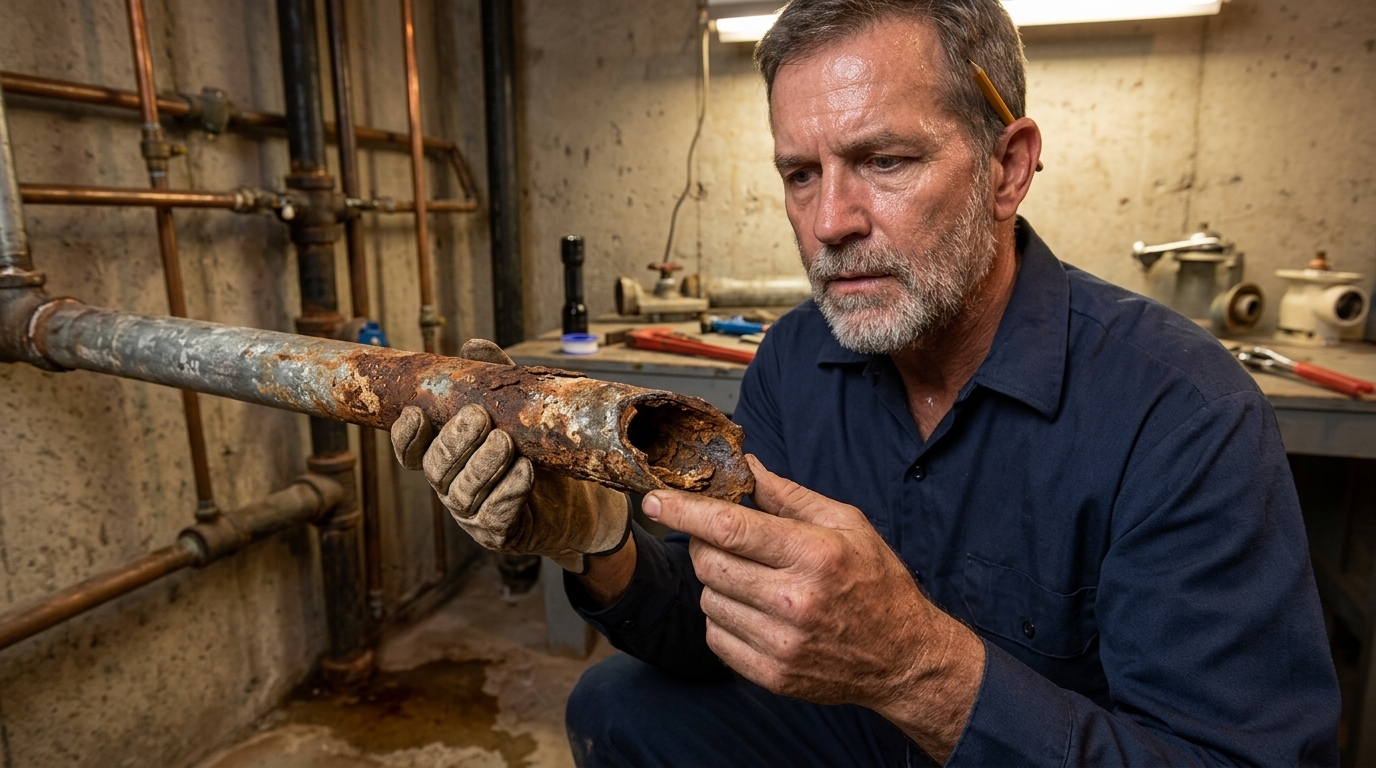
Pipe corrosion is one of the most common problems in plumbing systems, especially in older buildings or systems exposed to moisture and harsh water conditions. It gradually weakens pipe materials, leading to leaks, reduced water quality, and system failures. Over time, corrosion can significantly shorten the lifespan of plumbing infrastructure and increase maintenance costs. Understanding how corrosion develops and its impact on plumbing systems is essential for ensuring long-term durability and efficiency.
What Is Pipe Corrosion?
Pipe corrosion is the gradual deterioration of pipe material due to chemical reactions with water, oxygen, and other environmental elements. In metal pipes, this often results in rust formation, which slowly eats away at the pipe surface. Corrosion can occur both inside and outside the pipe, depending on exposure conditions. It is a slow process, but its effects become serious over time if not controlled.
How Corrosion Starts in Plumbing Systems
Corrosion usually begins when water or moisture comes into contact with metal pipes. Factors such as oxygen content, water acidity, temperature, and mineral presence can accelerate this process. In some cases, electrochemical reactions between different metals in a system can also trigger corrosion. Once it starts, it gradually spreads and weakens the pipe structure.
Impact on Water Flow and Efficiency
As corrosion builds up inside pipes, it reduces the internal diameter of the pipe. This restricts water flow and creates pressure imbalances in the system. In severe cases, blockages may form, leading to inconsistent water supply. Reduced efficiency in plumbing systems can affect daily usage in homes, commercial buildings, and industrial facilities.
Risk of Leaks and Pipe Failures
One of the most serious effects of corrosion is pipe leakage. As the pipe material weakens, small holes or cracks begin to form. These leaks may start small but can grow over time, causing significant water damage to surrounding structures. In extreme cases, pipes may burst completely, leading to costly repairs and property damage.
Effect on Water Quality
Corroded pipes can negatively affect water quality. Rust particles and metal contaminants may mix with the water supply, making it unsafe for consumption. This is especially concerning in residential systems where clean water is essential for health and hygiene. Corrosion can also cause unpleasant taste, odor, and discoloration of water.
Structural Damage to Buildings
Pipe corrosion does not only affect plumbing systems but can also damage building structures. Leaking water can seep into walls, floors, and foundations, weakening materials over time. This can lead to cracks, mold growth, and structural instability. Long-term exposure to moisture caused by corrosion can significantly reduce the lifespan of a building.
Increased Maintenance and Replacement Costs
Corrosion leads to frequent maintenance requirements and higher repair costs. Instead of simple fixes, severely corroded pipes often require complete replacement. This increases long-term expenses for property owners and facility managers. Preventing corrosion is therefore more cost-effective than repairing its damage.
Prevention and Material Selection
Preventing pipe corrosion starts with choosing the right materials. Corrosion-resistant pipes such as PVC, HDPE, and properly coated metal pipes help reduce risk. Regular maintenance, water treatment, and protective coatings also help slow down corrosion. Proper installation techniques further reduce exposure to moisture and oxygen.
Role of Quality Pipe Manufacturers like Plasco Pipes
Reliable manufacturers such as Plasco Pipes provide durable piping solutions designed to resist corrosion and ensure long-lasting performance. Using high-quality pipe materials helps reduce maintenance issues and improves the overall lifespan of plumbing systems in residential, commercial, and industrial applications.
Conclusion
Pipe corrosion is a serious issue that affects the durability, safety, and efficiency of plumbing systems. It leads to leaks, reduced water quality, and structural damage if not properly managed. Choosing corrosion-resistant materials and maintaining proper system care can significantly extend the life of plumbing infrastructure.

