


How Construction Quality Management Improves Project Performance, Compliance, and Long-Term Durability
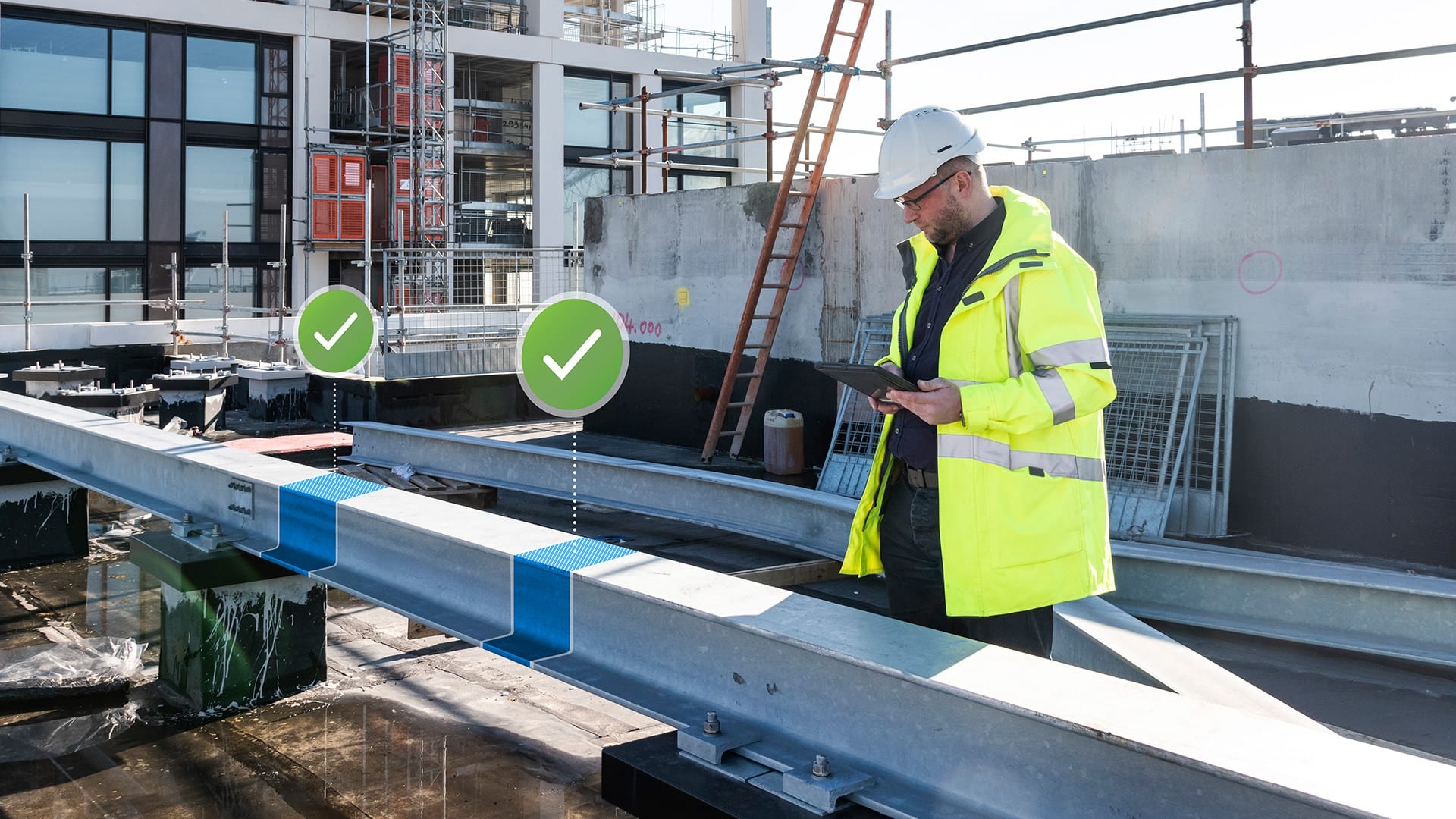
Construction projects require careful attention to quality at every stage of development. From material selection and structural design to workmanship and safety standards, maintaining high construction quality is essential for creating reliable and long-lasting buildings. Poor quality management can result in structural defects, safety hazards, project delays, increased costs, and legal issues.
Construction quality management plays a vital role in ensuring that projects meet required standards, comply with regulations, and deliver long-term value. By implementing organized quality control systems and continuous monitoring processes, construction teams can improve project performance while reducing costly errors and operational risks.
As modern construction projects become more complex, effective quality management has become an essential part of successful building practices across residential, commercial, industrial, and infrastructure sectors.
What Is Construction Quality Management?
Construction quality management refers to the processes, standards, and procedures used to ensure construction projects meet specified quality requirements. It involves planning, monitoring, inspecting, and controlling all construction activities to maintain consistency and compliance throughout the project lifecycle.
Construction quality management typically includes:
- Quality planning
- Material inspections
- Workmanship evaluations
- Compliance monitoring
- Documentation and reporting
- Safety inspections
- Contractor supervision
- Testing and verification
- Corrective action management
The goal is to ensure buildings and infrastructure are safe, durable, functional, and completed according to project specifications.
Improving Overall Project Performance
One of the biggest advantages of construction quality management is improved project performance. Organized quality processes help construction teams operate more efficiently while reducing delays and costly rework.
Reducing Construction Errors
Construction mistakes can lead to major delays, financial losses, and structural problems. Quality management systems help identify issues early before they become larger concerns.
Regular inspections and supervision ensure work is completed correctly according to approved designs and technical standards.
Improving Workflow Efficiency
Well-structured quality management procedures improve coordination between contractors, engineers, suppliers, and project managers. Clear standards and communication systems reduce confusion and help teams complete tasks more efficiently.
Better workflow management contributes to smoother project execution and faster completion times.
Minimizing Rework and Delays
Poor workmanship and installation errors often require expensive repairs and project revisions. Construction quality management reduces rework by maintaining strict oversight throughout each construction phase.
Preventing defects early helps projects stay on schedule and within budget.
Enhancing Resource Management
Quality management also improves the use of labor, materials, and equipment. Proper planning and monitoring help reduce waste, material damage, and inefficient work practices.
Efficient resource management supports better project productivity and financial control.
Ensuring Compliance With Building Standards and Regulations
Construction projects must comply with local building codes, safety regulations, environmental standards, and industry requirements. Failure to meet these standards can result in legal penalties, project shutdowns, or safety risks.
Construction quality management helps ensure all work follows applicable laws and technical specifications.
Meeting Building Code Requirements
Quality management systems verify that construction activities comply with approved engineering plans and local building regulations. This includes structural requirements, fire safety systems, electrical installations, plumbing standards, and accessibility guidelines.
Compliance helps protect building occupants while reducing legal and financial risks.
Supporting Safety Regulations
Construction sites involve various hazards that require strict safety management. Quality management procedures often include safety inspections, hazard assessments, and worker protection protocols.
Maintaining compliance with workplace safety standards helps reduce accidents and improve overall site safety.
Documentation and Reporting
Construction quality management includes maintaining detailed records of inspections, material certifications, testing results, and project approvals.
Proper documentation improves accountability and provides evidence of compliance during inspections or audits.
Environmental Compliance
Many construction projects must meet environmental regulations related to waste management, emissions, water usage, and sustainable building practices.
Quality management systems help ensure environmental requirements are followed throughout the construction process.
Improving Long-Term Durability and Building Performance
Durability is one of the most important indicators of construction quality. Buildings and infrastructure must withstand environmental conditions, daily usage, and long-term operational demands.
Construction quality management improves durability by ensuring proper materials, techniques, and installation practices are used consistently.
Verifying Material Quality
Using high-quality materials is essential for long-term structural performance. Quality management teams inspect and verify materials before installation to ensure they meet project specifications and industry standards.
This process helps prevent future failures caused by defective or unsuitable materials.
Maintaining Structural Integrity
Construction quality management ensures critical structural components are installed correctly and according to engineering requirements.
Proper supervision and testing help maintain the strength, stability, and reliability of the building.
Preventing Future Maintenance Issues
Poor construction quality often leads to leaks, cracks, system failures, and premature wear. Quality management helps reduce future maintenance problems by improving workmanship and construction accuracy from the beginning.
Buildings constructed with strong quality standards generally require fewer repairs over time.
Supporting Long-Term Property Value
Well-constructed buildings maintain their value more effectively and provide better long-term returns for property owners and investors.
Quality management contributes to stronger building performance, improved occupant satisfaction, and increased property reliability.
The Role of Inspections in Construction Quality Management
Inspections are a key component of construction quality management. Regular inspections help monitor project progress and ensure compliance throughout the construction lifecycle.
Common inspections may include:
- Foundation inspections
- Structural evaluations
- Electrical system inspections
- Plumbing inspections
- Fire protection testing
- HVAC system verification
- Final project assessments
These inspections help identify issues early and improve overall construction reliability.
Contractor and Workforce Supervision
Construction quality depends heavily on the performance of contractors and workers. Quality management includes supervising construction teams to ensure tasks are completed according to standards and specifications.
Improving Accountability
Clear quality procedures establish expectations for contractors and subcontractors. This improves accountability and encourages consistent workmanship across all project phases.
Training and Skill Development
Quality management programs may also involve worker training and safety education to improve construction practices and technical performance.
Well-trained teams contribute to better project quality and fewer construction errors.
Technology in Construction Quality Management
Modern construction quality management increasingly relies on technology to improve monitoring, reporting, and communication.
Common technologies include:
- Building Information Modeling (BIM)
- Digital inspection tools
- Construction management software
- Drones for site monitoring
- Cloud-based reporting systems
- Quality tracking applications
Technology improves accuracy, efficiency, and real-time project oversight.
Benefits Across Different Construction Sectors
Construction quality management benefits projects across many industries, including:
- Residential construction
- Commercial buildings
- Industrial facilities
- Healthcare projects
- Educational institutions
- Transportation infrastructure
Each sector relies on quality management to ensure safety, durability, and operational efficiency.
Choosing the Right Quality Management Strategy
Effective construction quality management requires experienced professionals, organized systems, and continuous oversight. Important factors to consider include:
- Inspection procedures
- Compliance standards
- Contractor qualifications
- Documentation practices
- Safety management systems
- Technology integration
A strong quality management strategy helps improve project outcomes and long-term building performance.
Conclusion
Construction quality management plays a critical role in improving project performance, ensuring regulatory compliance, and enhancing long-term durability. Through organized inspections, supervision, testing, and quality control procedures, construction teams can reduce errors, improve safety, and deliver higher-quality projects.
By maintaining strong quality standards throughout the construction process, organizations can create safer, more reliable, and longer-lasting buildings that provide long-term value for owners, occupants, and communities. As construction projects continue to grow in complexity, effective quality management remains essential for successful and sustainable building development.

