


How Pelvic Therapy Helps Improve Postpartum Recovery
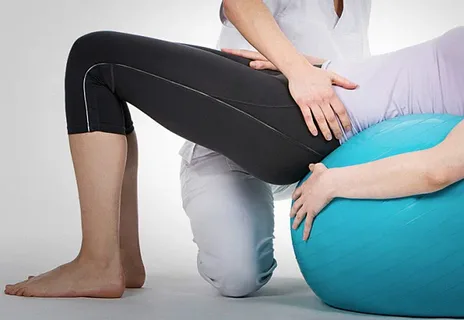
Childbirth is one of the most transformative experiences in a woman's life. It places enormous demands on the body, especially the pelvic region. Many women experience significant physical challenges after giving birth. These include pain, weakness, and bladder or bowel issues. Pelvic physiotherapy is a specialized form of care for new mothers. It helps the body heal and regain full function after childbirth.
Understanding the Postpartum Pelvic Floor
The pelvic floor is a group of muscles and connective tissues. It spans the bottom of the pelvis like a supportive hammock. These muscles support the bladder, bowel, and uterus throughout daily life. During pregnancy, the pelvic floor bears the growing weight of the baby. Labour and delivery place additional and significant strain on these structures. Both vaginal and cesarean births can meaningfully affect pelvic floor function.
After delivery, the pelvic floor is often weak and overstretched. Tearing and episiotomy can further damage the delicate pelvic tissues. Even without visible injury, function is typically significantly impaired. Many women assume these changes are normal and permanent consequences of birth. However, pelvic physiotherapy can restore function in most postpartum cases. Early assessment and intervention consistently produce the best recovery outcomes.
Common Postpartum Pelvic Floor Symptoms
Urinary leakage is the most common postpartum pelvic complaint among women. Many women experience leaking when they cough, sneeze, or exercise. This is called stress urinary incontinence and is very effectively treatable. Urgency incontinence, or rushing urgently to the toilet, also occurs frequently. Pelvic organ prolapse causes feelings of heaviness or unpleasant bulging sensations. These symptoms are not something women simply have to accept passively.
Painful intercourse is another very common postpartum concern for women. It can result from scar tissue, tissue sensitivity, or muscle tension. Many women feel embarrassed to discuss these intimate issues with care providers. A pelvic physiotherapist creates a safe and genuinely supportive environment for discussion. Assessment and treatment are conducted with sensitivity and great respect. There is absolutely no need to suffer in silence after giving birth.
How Pelvic Physiotherapy Supports Postpartum Healing
Pelvic floor physiotherapy calgary nw is an evidence-based approach to comprehensive postpartum care. It effectively addresses both structural and functional aspects of recovery. A specialized physiotherapist always begins with a thorough individual assessment. This includes carefully evaluating muscle strength, coordination, and tone. They also assess for scar tissue and connective tissue changes throughout. The findings guide development of a personalized and effective treatment plan.
Scar Tissue Management After Delivery
Perineal tears and cesarean scars both require specific rehabilitation attention. Untreated scar tissue can cause significant pain, tightness, and altered sensation. Scar massage is typically introduced after initial healing is complete. Gentle techniques effectively soften and mobilize scar tissue appropriately. Internal scar tissue work may also be performed with full patient consent. Scar management significantly reduces long-term pelvic discomfort for new mothers.
Desensitization techniques help when the scar area is overly sensitive. Gradual exposure to light touch normalizes the nerve response effectively. This approach is especially helpful for women experiencing painful intercourse. Breathing and relaxation strategies effectively reduce tension throughout the pelvic region. Coordination of breath with pelvic floor movement is a key foundational skill. These techniques form the essential foundation of postpartum scar rehabilitation.
Rebuilding Pelvic Floor Strength Safely
Strengthening the pelvic floor after childbirth must be approached carefully. Doing too much too soon can increase symptoms and delay overall healing. Kegel exercises are commonly prescribed but must be performed correctly. A physiotherapist assesses whether the pelvic floor is underactive or overactive first. Some women have tight, not weak, pelvic floor muscles in the postpartum period. In these cases, relaxation techniques are prioritized over strengthening exercises.
Progressing From Basics to Functional Strength
Basic pelvic floor contractions are always the starting point of rehabilitation. Patients learn to isolate and engage the correct muscle groups accurately. This body awareness is essential before advancing to more complex exercises. Progressive challenges include integrating the pelvic floor with full-body movement. Squats, lunges, and step-ups are performed with coordinated pelvic floor engagement. This effectively trains the muscles to work properly during real-life activities.
Core rehabilitation meaningfully complements pelvic floor strengthening during recovery. The diaphragm, deep abdominals, and pelvic floor work together as a system. Restoring this system comprehensively prevents chronic pain and long-term dysfunction. Pilates-inspired movements are often incorporated into postpartum rehabilitation programs. These exercises are gentle yet highly effective for deep muscle activation. Progression continues until the patient confidently returns to full activity levels.
Returning to Exercise After Childbirth
Many new mothers are eager to resume their regular exercise routines. However, returning too quickly can cause lasting and serious pelvic damage. Physiotherapists provide evidence-based guidelines for a safe and confident return. Running, high-impact activities, and heavy lifting require a healed pelvic floor. Most women are not ready for these activities before twelve weeks postpartum. Individual assessment determines the most appropriate timeline for each individual patient.
Signs That You Are Ready to Resume Exercise
Certain indicators clearly suggest the pelvic floor is ready for more. Absence of leakage during low-impact exercise is a very positive sign. Feeling no heaviness or prolapse symptoms during movement is encouraging. Successfully completing a walking program without symptoms suggests genuine readiness. A physiotherapist can perform functional tests to confirm physical readiness. Professional clearance effectively protects the pelvic floor during return to sport.
Walking and swimming are generally safe early postpartum exercise activities. They build cardiovascular fitness without placing excess demand on pelvic structures. Cycling may be introduced after complete perineal healing has occurred. Resistance training using bodyweight begins well before adding any external load. Core and pelvic floor integration must be consistent before further progression. Patience during this important phase prevents the need for longer-term rehabilitation.
Addressing Diastasis Recti Alongside Pelvic Rehabilitation
Diastasis recti is a common concern in the postpartum period. It involves separation of the rectus abdominis muscles along the midline. This condition affects core function and overall pelvic stability significantly. Many women notice a gap or ridge along the midline of the abdomen. A physiotherapist can accurately assess and measure the degree of separation. Treatment involves progressive core rehabilitation tailored to the level of separation.
Breathing mechanics play a central role in diastasis rehabilitation. Learning to manage intra-abdominal pressure during exertion is essential. Certain exercises are avoided until sufficient midline tension is restored. Physiotherapists guide patients through a safe and progressive exercise program. Full closure of the gap is not always the primary treatment goal. Restoring function and reducing symptoms is the most important outcome.
Combining Pelvic and Core Rehabilitation
Pelvic floor and core rehabilitation are most effective when combined. The two systems are functionally interconnected and interdependent. Treating one in isolation produces less complete outcomes for patients. Integrated rehabilitation addresses both systems simultaneously and effectively. Patients develop a strong, coordinated foundation for all physical activity. This comprehensive approach produces lasting and meaningful results for postpartum recovery.
Exercise progressions are designed to challenge both systems together. Breathing, pelvic floor engagement, and core activation are synchronized. Functional movements like carrying a baby become training opportunities. Physiotherapists make rehabilitation relevant to the demands of new motherhood. The skills learned during treatment are immediately applicable in daily life. This practical approach encourages consistent engagement throughout the recovery process.
Mental Health Benefits of Pelvic Physiotherapy
Postpartum mental health is closely connected to physical recovery outcomes. Many women feel disconnected and confused about their bodies after childbirth. Pelvic symptoms like leakage and pain cause embarrassment and social isolation. Addressing these symptoms through physiotherapy restores genuine confidence and wellbeing. Feeling in control of one's body is deeply empowering for new mothers. Physical recovery and emotional recovery are profoundly and inseparably intertwined.
Physiotherapists often provide education and meaningful reassurance during sessions. Understanding the physical changes occurring in the body reduces unnecessary anxiety. Knowing that improvement is entirely possible motivates ongoing engagement in treatment. A supportive therapeutic relationship significantly enhances the overall recovery experience. Many women report feeling much more positive about their bodies after treatment. Pelvic physiotherapy is a deeply meaningful investment in postpartum health and wellbeing.
Conclusion
Childbirth changes a woman's body in profound and lasting ways. The pelvic floor is significantly affected by pregnancy and delivery alike. Pelvic physiotherapy offers effective and compassionate care for complete recovery. From scar management to strength rebuilding, it addresses all aspects of healing. Returning to exercise safely and confidently is a genuinely achievable goal. Every woman deserves expert and dedicated support in her postpartum recovery journey.

