


How to Use a Storage Bench to Organize Coats, Bags, and Accessories in Your Entryway
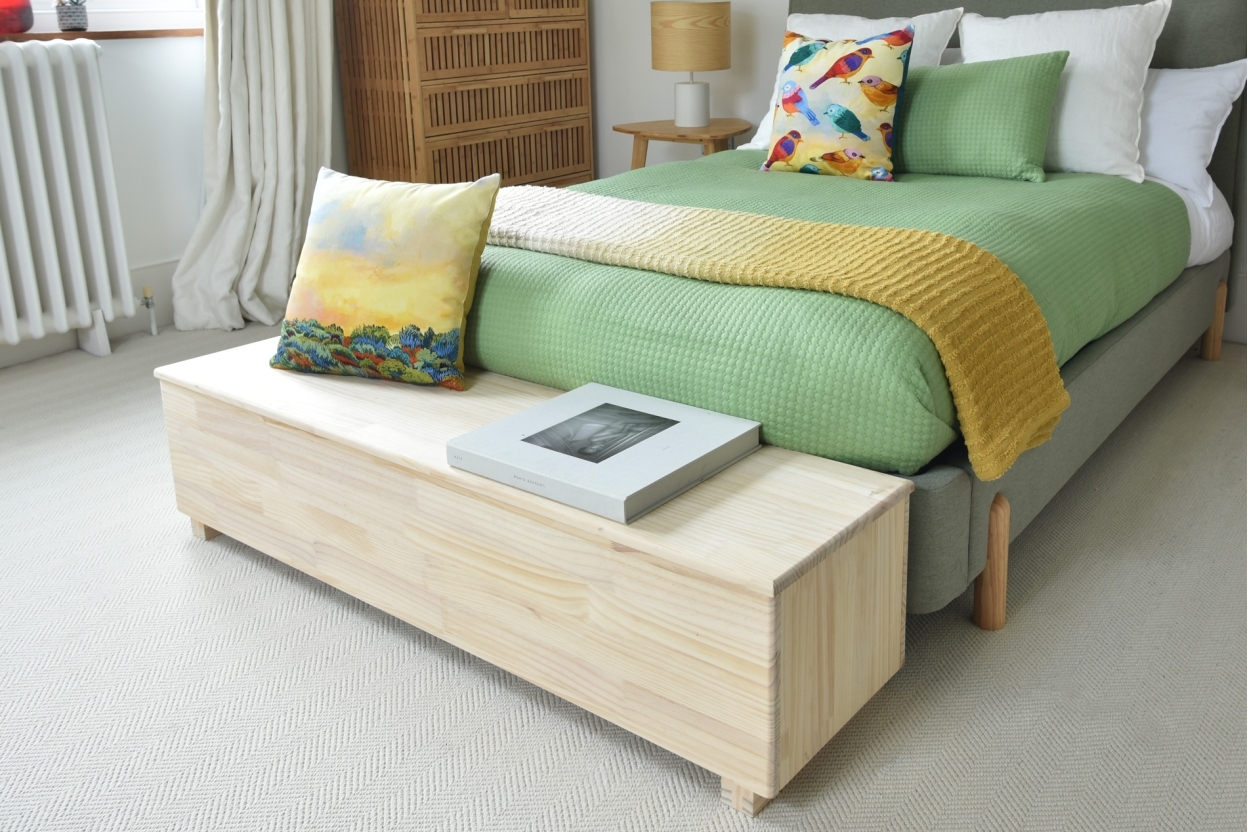
The entryway is the most chaotic space in most homes. It's the transition zone between the outside world and the inside one, and everything that people bring in — coats, bags, shoes, sports equipment, umbrellas, keys, mail — lands there first. Without a system, it's also the fastest space in any home to look completely out of control.
A storage bench is one of the most effective solutions to entryway chaos, and not just because it provides storage. It creates a physical anchor for the space, a place for people to sit while taking off shoes, and a signal that this area has been thought about and organized. When paired with hooks, shelves, and baskets, a storage bench becomes the centerpiece of a fully functional entryway system.
Understanding the Entryway Problem
Most entryway clutter issues aren't really about lack of space — they're about lack of friction reduction. Items pile up because putting them away properly takes more effort than setting them down. The solution isn't lecturing family members about tidiness; it's designing a system where the easiest possible action leads to the organized result.
That means storage should be right where the item lands. Coat hooks should be immediately inside the door, not down the hallway. Shoe storage should be at floor level, reachable without bending uncomfortably. Bag storage should be at a natural set-down height. When the convenient thing and the organized thing are the same thing, organization becomes effortless.
Choosing the Right Bench for Your Entryway
Size and Proportion
The bench needs to fit the space without overwhelming it. In a narrow entryway, a bench that's too deep eats into precious walkway space — aim for something 14 to 16 inches deep in tight spaces. Length should fit the wall comfortably; a bench that's too short for its wall looks accidental, while one that runs the full width of an alcove looks intentional.
Height matters for function. For shoe-changing use, 17 to 18 inches is right for adults; if children will use it regularly, consider going a little lower or choosing a two-level design.
Storage Type
For entryways, the lift-top bench is enormously practical because it can store bulky items that don't fit in a drawer — sports bags, backpacks, extra shoes, seasonal accessories. However, a bench with drawers is faster to access for items you reach for daily. Some of the best entryway benches combine both: a deep storage compartment under the seat plus one or two drawers at the front.
Open cubbies below the bench seat are another excellent option, particularly for households with multiple family members. Each person can have their own cubby with a basket inside, and items go in and out quickly without needing to open or close anything.
The System Around the Bench
Hooks Above the Bench
A row of hooks positioned above the bench is the most direct solution to coat and bag storage. The bench below gives you somewhere to sit; the hooks above give you somewhere for everything you carry. The combination feels like a complete station for arrivals and departures.
Hook height matters. Adults need hooks at about 60 to 66 inches from the floor for coats to hang without dragging. Add a lower row at 40 to 48 inches for children's coats and bags. Position the hooks so they're directly reachable from a standing position in front of the bench — no stretching required.
The number of hooks should match the number of regular users plus a few extras for guests. Overcrowding hooks means everything gets crammed together and wrinkles; hooks that are spaced comfortably apart allow coats to hang properly and look organized.
A Shelf Above the Hooks
A shelf positioned above the hooks (typically at 72 to 78 inches from the floor) provides space for hats, helmets, bags that you reach for less frequently, and decorative baskets. It also gives the whole hook rail a more finished, built-in look.
Baskets on this shelf are particularly useful for items that don't have a natural hanging point — gloves, scarves, sunglasses, chargers, small items from pockets that need to be emptied. Label the baskets if you have multiple family members, and the system essentially runs itself.
Floor Storage for Shoes
Shoes are the defining challenge of most entryways. They accumulate fast, they're bulky, and they need to be accessible at exactly the moment you're trying to leave. Several approaches work well in different configurations.
A bench with cubbies below is the most contained solution — each cubby holds one pair or one person's shoes, and everything stays relatively organized. A separate shoe rack beside or below the bench is more flexible. For smaller entryways, a slanted shoe shelf takes up less depth than a horizontal one.
Whatever approach you use, set a realistic shoe limit. A rack that holds eight pairs doesn't work for a family of four that each owns fifteen pairs. Either provide more storage, or commit to storing seasonal shoes elsewhere and keeping only current-season footwear in the entryway.
Organizing Specific Items
Coats and Jackets
The cardinal rule: every family member gets their own designated hook. This single change eliminates most coat-related entryway chaos. When there's a specific place for each person's coat, it goes there instead of on the floor or draped over the bench.
Add a secondary hook or two on the inside of a closet door for guest coats, or for items that get used less frequently. Heavy winter coats can go into the bench storage during warmer months to free up the hooks.
Bags and Backpacks
School bags and backpacks are typically the bulkiest items in an entryway. If they're going on hooks, make sure the hooks are sturdy enough for the weight — a loaded school backpack can weigh 15 to 20 pounds. Look for hooks rated for at least 20 to 25 lbs each.
Alternatively, bags can live inside the bench storage for the most contained look. The downside is slightly less convenient access — opening a bench lid takes more effort than grabbing a bag off a hook. For busy mornings, quick access usually wins.
Accessories — Hats, Scarves, Gloves
Small accessories are the items that disappear most often in entryways. A dedicated basket or bin for each type of item, positioned at accessible height, is the simplest effective solution. One basket for hats, one for scarves, one for gloves — all on the shelf above the hooks or in the bench storage.
A small drawer in the bench is actually perfect for these items because they're relatively flat and benefit from the compartmentalization a drawer offers. They stay separate from the larger items in the main bench storage and are easy to find when you're rushing out the door.
Keys and Mail
Keys are small enough to fall into any storage system and disappear completely. A dedicated key hook — either part of the main hook rail or a small dedicated hook just inside the door — solves this problem definitively. The habit of hanging keys the moment you walk in takes about a week to establish and saves enormous frustration.
Mail is trickier because it accumulates and needs sorting. A small tray or mail holder on a shelf near the bench gives incoming mail a landing spot without letting it spread to every surface. Going through the tray and discarding junk mail regularly is part of the system.
Making It Work Long-Term
Any organizational system starts strong and degrades over time unless it's maintained. The entryway bench system is no different. A few practices keep it working: designate a regular time (Sunday evenings work for many families) to reset the entryway — clearing anything that doesn't belong, returning items to their proper places, and putting seasonal items away.
Involve everyone in the household, including children. When kids understand the system and have their own designated space within it — their own hook, their own cubby, their own shoe spot — they're far more likely to participate in maintaining it.
The Transformation Is Real
It sounds like a lot, but once the system is in place, the entryway essentially maintains itself. Items go to their designated spots because the design makes that the path of least resistance. What was a chaotic jumble becomes a welcoming, organized first impression of your home — and that matters more than most people realize.

