


Overhead Conductor Selection Made Simple: A Practical Guide for Reliable Power Transmission
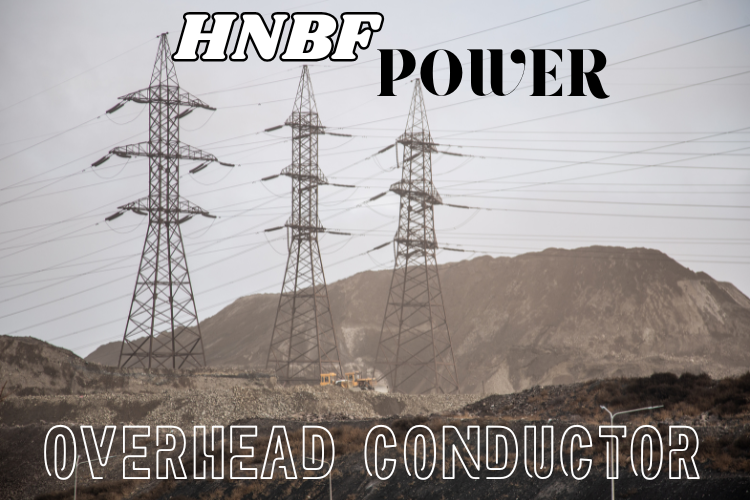
In modern power transmission and distribution systems, the choice of an overhead conductor plays a critical role in ensuring efficiency, reliability, and long-term cost performance. Engineers, EPC contractors, and procurement teams are constantly challenged to select conductors that balance electrical performance, mechanical strength, environmental resistance, and budget constraints.
This guide simplifies the complexities of overhead conductor selection, helping decision-makers identify the right solution for their specific grid infrastructure needs.
What is an Overhead Conductor?
An overhead conductor is a key component used in power transmission and distribution lines to carry electrical energy across long distances. These conductors are typically suspended on transmission towers or utility poles and must withstand environmental conditions such as wind, temperature variations, and mechanical stress.
Key Functions:
- Efficient transmission of electrical current
- Maintaining mechanical integrity under load
- Minimizing power losses

- Ensuring long service life in outdoor conditions
Types of Overhead Conductors
Selecting the right conductor type depends on voltage level, environmental conditions, and project requirements. Below are the most widely used conductor types in the industry:
1. AAC (All Aluminum Conductor)
AAC conductors are made entirely of aluminum strands and are widely used in urban distribution networks.
Advantages:
- High conductivity
- Lightweight
- Cost-effective for short spans
Limitations:
- Lower tensile strength compared to reinforced conductors
2. AAAC (All Aluminum Alloy Conductor)
AAAC conductors use aluminum alloy to provide better mechanical strength and corrosion resistance.
Advantages:
- Improved strength-to-weight ratio
- Excellent corrosion resistance
- Suitable for coastal and industrial environments
3. ACSR (Aluminum Conductor Steel Reinforced)
ACSR is one of the most commonly used overhead conductors, featuring a steel core surrounded by aluminum strands.
Advantages:
- High tensile strength
- Suitable for long spans and high-load conditions
- Excellent sag performance
Applications:
- High-voltage transmission lines
- Long-distance power transmission
4. ABC (Aerial Bundled Cable)
ABC cables are insulated overhead conductors bundled together, primarily used in low-voltage distribution.
Advantages:
- Enhanced safety
- Reduced power theft
- Lower installation costs in urban areas
Key Factors to Consider When Choosing an Overhead Conductor
Selecting the optimal overhead conductor requires a detailed evaluation of both technical and commercial parameters.
Electrical Performance
- Conductivity and resistance directly impact power losses
- Higher conductivity materials improve efficiency
Mechanical Strength
- Tensile strength is essential for long spans and harsh weather conditions
- ACSR and AAAC are preferred for high mechanical loads
Environmental Conditions
- Corrosion resistance is critical in coastal or industrial regions
- Temperature variations affect conductor sag and performance
Installation and Maintenance
- Lightweight conductors reduce installation complexity
- Low-maintenance materials lower lifecycle costs
Cost Efficiency
- Initial cost vs. long-term performance must be balanced
- Total cost of ownership is a key procurement factor
Market Demand and Industry Trends
The global demand for overhead conductors is increasing due to rapid urbanization, renewable energy integration, and grid modernization initiatives.
Key Trends:
- Expansion of high-voltage transmission networks
- Increased use of corrosion-resistant conductors
- Demand for energy-efficient solutions with low line losses
- Growing preference for lightweight and high-strength materials
Utilities and EPC contractors are prioritizing conductors that deliver both performance reliability and cost optimization, especially in large-scale infrastructure projects.
Why Quality Matters in Overhead Conductors
Poor-quality conductors can lead to:
- Increased transmission losses
- Frequent maintenance issues
- Reduced lifespan of the power network
- Higher operational costs
High-quality overhead conductors ensure:
- Stable electrical performance
- Enhanced safety and reliability
- Long-term durability under extreme conditions
HNBF Power: A Reliable Partner for Overhead Conductors
HNBF Power is a global manufacturer specializing in overhead conductors and power cable solutions, including AAC, AAAC, ACSR, ABC, and LV cables. With a strong focus on engineering excellence and quality assurance, HNBF Power delivers products that meet international standards and project-specific requirements.
Key Advantages of Choosing HNBF Power:
- Advanced manufacturing processes
- Strict quality control systems
- Customizable conductor solutions
- Competitive pricing for global EPC and utility projects
- Proven experience in transmission and distribution applications
Whether for urban distribution networks or high-voltage transmission lines, HNBF Power provides reliable and efficient conductor solutions tailored to your project needs.
Best Practices for Overhead Conductor Procurement
Procurement teams should follow a strategic approach when sourcing overhead conductors:
1. Define Technical Specifications
- Voltage level
- Span length
- Environmental conditions
2. Evaluate Supplier Capabilities
- Manufacturing standards
- Quality certifications
- Industry experience
3. Consider Lifecycle Costs
- Installation cost
- Maintenance requirements
- Expected service life
4. Ensure Compliance
- International standards (IEC, ASTM, BS)
- Project-specific requirements
Common Challenges and Solutions
Challenge 1: High Transmission Losses
Solution: Select conductors with higher conductivity such as AAC or optimized ACSR designs.
Challenge 2: Mechanical Failures in Harsh Conditions
Solution: Use AAAC or ACSR with enhanced tensile strength.
Challenge 3: Corrosion in Coastal Areas
Solution: Choose corrosion-resistant materials like AAAC.
Challenge 4: Urban Safety Concerns
Solution: Implement ABC cables for insulated distribution systems.
FAQs About Overhead Conductors
1. What is the most commonly used overhead conductor?
ACSR is widely used due to its excellent balance of strength and conductivity, making it ideal for high-voltage transmission.
2. How do I choose between AAC, AAAC, and ACSR?
The choice depends on your project requirements:
- AAC for short-distance urban networks
- AAAC for corrosion resistance
- ACSR for high strength and long spans
3. What factors affect conductor lifespan?
Environmental conditions, material quality, installation practices, and maintenance all impact the lifespan of an overhead conductor.
4. Are overhead conductors suitable for renewable energy projects?
Yes, overhead conductors are widely used in solar and wind power transmission due to their cost-effectiveness and scalability.
5. Why is corrosion resistance important?
Corrosion can weaken conductors, leading to failures and increased maintenance costs, especially in coastal or industrial environments.
Conclusion
Choosing the right overhead conductor is essential for building efficient, reliable, and cost-effective power transmission systems. By understanding the different conductor types, evaluating key performance factors, and aligning with market demands, engineers and procurement professionals can make informed decisions that ensure long-term success.
Get Customized Overhead Conductor Solutions
If you are planning a transmission or distribution project and need expert guidance, HNBF Power is ready to support you. With a comprehensive range of overhead conductors and tailored solutions, HNBF Power helps you achieve optimal performance and cost efficiency.
Contact HNBF Power today to discuss your project requirements and get a customized solution designed for your specific application.

