


Why Do Buyers Evaluate Nbcbdz High Frequency Transformer Factory Capabilities
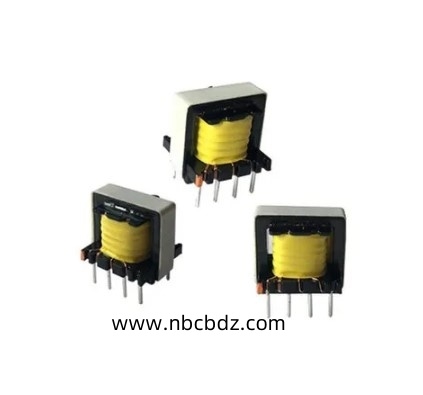
High Frequency Transformer Factory is a term commonly associated with facilities that manufacture power conversion components used in electronic devices, industrial equipment, communication systems, renewable energy installations, and many other technical applications. These production environments combine engineering expertise, material preparation, assembly operations, inspection procedures, and performance verification to create products that meet diverse operational requirements.
Modern manufacturing facilities serving the electronics sector often follow a structured workflow. The process typically begins with product planning and engineering evaluation. Customer requirements, electrical specifications, dimensional constraints, and application conditions are reviewed before production activities start. This stage helps ensure that component designs align with intended operating environments.
Material selection represents another important step. Core materials, copper conductors, insulation materials, and supporting structural elements are chosen according to design requirements. Careful material management contributes to consistency throughout production and helps maintain compatibility with technical specifications.
After preparation activities are completed, winding operations begin. Precision equipment is often used to arrange conductors according to engineering requirements. Accuracy during this stage can influence electrical characteristics, dimensional stability, and overall product performance. Production teams monitor processes closely to maintain consistency across manufacturing batches.
Assembly procedures follow the winding stage. During assembly, prepared components are integrated into finished units according to documented production standards. Operators verify dimensions, positioning, insulation arrangements, and structural integrity throughout the process. Organized assembly practices support manufacturing efficiency and help reduce production variations.
Testing plays a significant role in modern electronics manufacturing. Performance verification may include electrical measurements, insulation evaluation, operational assessments, and safety related checks. These procedures help manufacturers confirm that completed products satisfy design objectives before shipment. Quality management systems often incorporate multiple inspection points throughout production rather than relying on a single final review.
Automation has become increasingly important within contemporary manufacturing environments. Automated equipment can support winding operations, material handling activities, inspection procedures, and production monitoring. Digital technologies may also assist with process tracking, documentation management, and quality analysis. These developments contribute to improved workflow visibility and operational coordination.
Many facilities also provide customization services. Different industries require products designed for specific voltage ranges, current levels, dimensional limitations, or environmental conditions. Engineering teams frequently collaborate with customers to develop solutions aligned with unique application requirements. Custom development capabilities can support projects across telecommunications, industrial automation, medical equipment, consumer electronics, and energy related sectors.
Supply chain management is another key element of successful production operations. Manufacturers often coordinate sourcing activities, inventory planning, production scheduling, and logistics management to maintain stable workflows. Effective coordination helps support delivery planning and customer project timelines.
Environmental and regulatory considerations continue influencing manufacturing practices. Facilities may implement quality systems, documentation procedures, and compliance programs designed to support customer requirements and market expectations. These efforts contribute to product traceability and operational transparency throughout the production process.
Nbcbdz focuses on power conversion component manufacturing for a variety of electronic and industrial applications. Through engineering development, production management, and quality control activities, the company supports customers seeking reliable solutions for evolving technology requirements.
As electronic systems continue advancing across industries, demand for specialized power conversion components remains closely connected to innovation, automation, communication infrastructure, and energy technologies. Organizations interested in reviewing available products and technical specifications can visit https://www.nbcbdz.com/product/ while evaluating options for future projects and equipment development plans.

