


What to Expect on Your First Construction Project
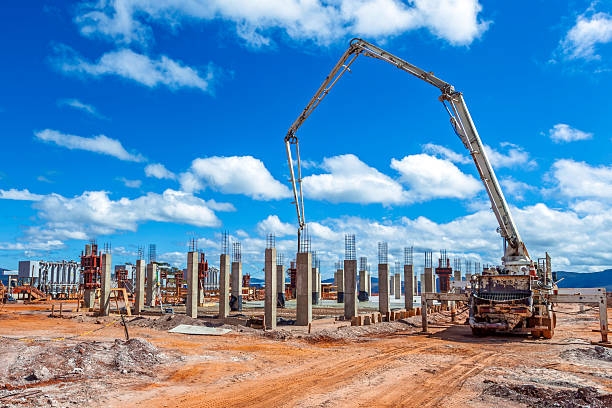
Hiring a contractor for the first time is genuinely stressful. You're about to hand over a big chunk of money, let strangers work on your property, and make dozens of decisions you've never made before. Most people go into it hoping for the best and end up surprised by things nobody warned them about. This guide is for exactly that person. Whether you're adding a room, finishing a basement, or rebuilding after damage, working with a Top Rated Construction Company in Columbus OH means you should get a clear process from day one. But even then, knowing what that process looks like before you sign anything makes a real difference.
The Pre-Construction Phase: Before Anyone Picks Up a Tool
This part takes longer than most people expect. A lot longer, honestly. Your first meeting with a contractor is usually a consultation where they walk your property, ask about your goals, and start figuring out what the job actually involves. Don't be surprised if they ask questions that feel oddly basic. They're building a picture of the project scope, and details you think are minor can matter quite a bit to the estimate.
After the site assessment, you'll get a proposal or a bid. Read it carefully. A solid proposal breaks down labor, materials, timeline, and payment schedule separately so you can see where your money goes. If something's vague, ask. Contractors who get annoyed by questions during the proposal stage are usually more annoying to deal with once the work starts.
Contract signing comes next. This is where a lot of first-timers rush because they're excited to get going. Don't. Make sure the contract spells out the scope of work, the start and end dates, what happens if timelines shift, and who's responsible for what. A good Construction Company in Columbus OH will have this documented clearly and won't pressure you to sign before you've read it.
Permits and Approvals: The Waiting Game Nobody Likes
Most construction projects require permits. Structural work, electrical, plumbing, additions, sometimes even window replacements depending on your municipality. Your contractor should pull the permits, not you. If someone tells you to pull your own permits as a homeowner to save money, that's a red flag worth paying attention to.
Permit timelines vary. In some areas you can get approval in a week. In others, you're waiting four to six weeks, and there's not much anyone can do to speed that up. This is one of the most common reasons a project's start date slides. It's not the contractor dragging their feet. It's the city. Worth knowing that upfront so you're not frustrated in week three wondering why nobody's on-site yet.
You can learn more about how construction site safety and regulatory requirements work at the federal level, which gives useful context for why so many local rules exist in the first place. Local jurisdictions build on top of those baseline standards, which is part of why the approval process has so many layers.
The Active Build Phase: What Your Days Actually Look Like
Once work starts, expect noise. Expect dust. Expect a crew showing up early, sometimes very early, and vehicles parked in front of your house. If you're living in the space while work happens, talk to your contractor beforehand about which areas will be blocked off and when. That conversation saves a lot of friction.
Communication during the build matters more than people realize. Most good contractors have a point of contact, either a project manager or the lead on-site, and you should know who that person is from day one. Don't just show up and start asking workers questions directly. Go through the right channel. It keeps things from getting confusing and makes sure decisions get made by someone with full context.
You will be asked to make decisions you didn't expect. Material is backordered, so they need a substitute. The wall they opened up shows something that changes the plan. These moments happen on almost every project. The homeowners who handle them best are the ones who stay reachable and don't need three days to think over every small call. Pick a backup choice for anything you can think of in advance. It helps.
Inspections and Quality Checkpoints
Inspections happen at specific stages of a project, not just at the end. Framing gets inspected before drywall goes up. Electrical and plumbing get checked before they're closed in behind walls. This is by design. If something's wrong, you want to catch it before it's buried under finished surfaces.
If an inspection fails, don't panic. It happens. The contractor fixes the flagged issue and schedules a re-inspection. It adds time, but it's exactly how the system is supposed to work. A company like Civitello Construction Services will handle failed inspections as part of the job, not as an unexpected crisis. What you want to watch out for is a contractor who tries to skip inspections or tells you they're unnecessary. That's how you end up with problems that surface years later when you try to sell the house.
Ask your contractor to walk you through what's being inspected at each stage. You don't need to understand every technical detail, but knowing what checkpoint is coming next helps you track progress and ask smarter questions.
Project Closeout and the Punch List
The punch list is one of those construction terms people hear and nod at without really knowing what it means. Simple version: it's a written list of everything that needs to be finished, fixed, or touched up before the project is officially done. A door that doesn't close right. Paint that got scuffed. A tile that's slightly uneven. Small stuff, usually, but it adds up.
The final walkthrough is when you and your contractor go through the space together and build that list. Take your time. Bring a notepad or just use your phone. Don't feel rushed. This is your chance to catch things before you've handed over the final payment, and once that payment's made, leverage to get small fixes done drops significantly.
A reputable Top Rated Construction Company in Columbus OH will have a clear process for resolving punch list items, usually within a defined window after final walkthrough. Get that timeframe in writing. And don't release final payment until the list is actually done, not just promised.
Working with a solid Construction Company in Columbus OH from the start puts you in a much better position to get through all of this without major headaches. The process has a lot of moving parts, but none of them are mysterious once you know what to look for.
Frequently Asked Questions
How long does a typical first construction project take from start to finish?
It depends on the scope. A bathroom remodel might take three to six weeks. A full addition can run four to six months or longer. The permit approval period alone can add several weeks before any physical work begins, so build that buffer into your expectations from the start.
Do I need to be home while the crew is working?
Not necessarily. Most homeowners aren't home every day during a project. But you should be reachable by phone and available to make decisions quickly when something comes up. Talk to your contractor about site access and how they'll handle locking up each day.
What if I want to make a change after work has already started?
Changes mid-project are called change orders. They're normal, but they cost money and add time. Most contractors require you to sign off on a written change order before they do any work outside the original scope. Don't let verbal agreements substitute for that paperwork.
Who is responsible if a worker gets injured on my property?
A licensed, insured contractor carries workers' compensation and general liability insurance that covers this. Before any work starts, ask for proof of insurance and verify it's current. If a contractor can't provide that, don't hire them, full stop.
How do I know the materials being used are what I agreed to?
Ask to see receipts or product specs for major materials, especially things like roofing, windows, or structural components. A trustworthy contractor won't mind showing you. If they get defensive about it, that tells you something worth knowing before you're too far into the project to walk away easily.

