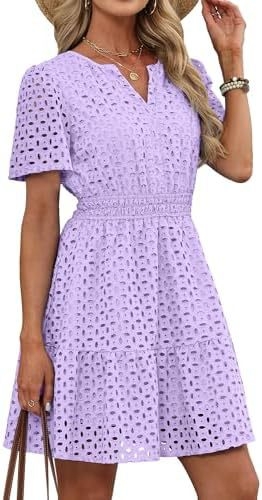
Private label dropshipping has become one of the most popular business models for entrepreneurs who want to launch an ecommerce brand without investing heavily in inventory or managing a warehouse. It combines the convenience of traditional dropshipping with the branding opportunities of private label products, allowing businesses to sell unique products under their own brand name.
Instead of competing with hundreds of stores selling identical products, private label dropshipping enables you to create a memorable brand, customize packaging, and build long-term customer loyalty. Whether you're starting your first online store or expanding an existing ecommerce business, understanding how private label dropshipping works can help you make informed decisions and create a sustainable business.
This guide covers everything you need to know, from choosing products and suppliers to branding, marketing, and scaling your business.
What Is Private Label Dropshipping?
Private label dropshipping is an ecommerce fulfillment model in which a manufacturer produces products that are sold under your own brand while handling inventory storage, packaging, and shipping on your behalf. Customers purchase products from your online store, but they never see the supplier's name. Instead, they receive products with your branding, creating the impression that your company manufactures and fulfills every order.
Unlike standard dropshipping, where products are sold exactly as supplied by the manufacturer, private label dropshipping allows businesses to customize logos, labels, packaging, instruction manuals, and other branding elements. This helps create a stronger connection with customers and increases the perceived value of your products.
How Private Label Dropshipping Works
Although the process appears complex, it follows a straightforward workflow.
Choose a Product Niche
Begin by selecting products that have consistent demand and fit a specific market. Focusing on a niche allows you to build authority and create targeted marketing campaigns.
Partner With a Supplier
Find a manufacturer or sourcing company that offers private labeling services. Many suppliers provide logo printing, custom packaging, and product customization.
Build Your Brand
Create a professional logo, packaging design, brand colors, and messaging that represent your business identity. Strong branding helps differentiate your products from competitors.
Launch Your Online Store
Build an ecommerce website where customers can browse and purchase your products. Ensure your website offers a seamless shopping experience with clear product descriptions and high-quality images.
Market Your Products
Drive traffic through search engine optimization (SEO), content marketing, social media, email campaigns, influencer partnerships, and paid advertising.
Receive Orders
Customers place orders directly on your website.
Order Fulfillment
Your supplier processes the order, packages the product with your branding, and ships it directly to the customer.
Benefits of Private Label Dropshipping
Private label dropshipping offers several advantages over traditional ecommerce models.
Build a Unique Brand
Instead of selling generic products, you establish your own brand identity. Customers remember your logo, packaging, and overall shopping experience, making repeat purchases more likely.
Lower Startup Costs
There is no need to purchase inventory upfront or rent warehouse space. Suppliers handle production and storage, significantly reducing initial investment.
Higher Profit Margins
Customers often pay more for trusted brands than for unbranded products. A strong brand allows you to increase perceived value and improve profitability.
Easy Business Expansion
Adding new products or entering new markets becomes easier because suppliers manage manufacturing and fulfillment while you focus on growth.
Reduced Operational Work
Inventory management, packaging, and shipping remain the supplier's responsibility, allowing you to dedicate more time to marketing and customer relationships.
Private Label Dropshipping vs Traditional Dropshipping
Although both models eliminate inventory management, there are important differences.
Traditional dropshipping focuses on selling ready-made products from suppliers. Since many retailers offer the same products, competition often centers on pricing.
Private label dropshipping focuses on creating a unique customer experience through custom branding, premium packaging, and stronger brand recognition. Instead of competing solely on price, businesses compete through product quality, customer trust, and brand reputation.
Best Products for Private Label Dropshipping
Some product categories consistently perform well because they attract repeat purchases and allow strong brand differentiation.
Popular private label products include:
Clothing and Fashion
Beauty Products
Skin Care
Hair Care
Health Supplements
Fitness Equipment
Pet Supplies
Home Decor
Kitchen Accessories
Phone Accessories
Office Products
Travel Accessories
Baby Products
Eco-Friendly Products
Outdoor Equipment
Selecting products with steady demand provides greater long-term stability than chasing temporary trends.
How to Find the Right Supplier
A reliable supplier is essential for maintaining product quality and customer satisfaction.
When evaluating suppliers, consider the following:
Product Quality
Order samples before committing to ensure products meet your quality expectations.
Branding Services
Look for suppliers that provide custom logos, packaging, labels, and inserts.
Production Capacity
Choose suppliers capable of handling future business growth without sacrificing quality.
Shipping Performance
Reliable shipping helps improve customer satisfaction and reduces support requests.
Communication
Responsive suppliers make it easier to solve production or fulfillment issues quickly.
Quality Control
Suppliers with strong quality control processes reduce defective products and customer complaints.
Why Many Businesses Source From China
China has become a leading manufacturing hub for private label businesses because it offers extensive manufacturing capabilities at competitive prices.
Key advantages include:
Competitive production costs
Wide product selection
Experienced manufacturers
Modern factories
Flexible minimum order quantities
Fast production times
Worldwide shipping options
Custom packaging services
Advanced manufacturing technology
These advantages make China an attractive sourcing destination for businesses of all sizes.
Branding Tips for Long-Term Success
Successful private label businesses invest heavily in branding.
Consider these strategies:
Create a memorable logo.
Design attractive product packaging.
Maintain consistent colors and typography.
Tell a compelling brand story.
Offer exceptional customer service.
Build an active social media presence.
Encourage customer reviews.
Maintain consistent product quality.
Strong branding creates emotional connections that encourage repeat purchases.
Marketing Strategies
Marketing plays a critical role in private label dropshipping success.
Effective strategies include:
Search Engine Optimization
Publish informative content, optimize product pages, and target high-intent keywords to increase organic traffic.
Content Marketing
Write buying guides, product comparisons, tutorials, and industry insights to establish authority.
Social Media Marketing
Build communities on platforms where your target audience spends time.
Influencer Marketing
Partner with creators who genuinely connect with your target market.
Email Marketing
Build an email list and nurture customer relationships through newsletters and promotional campaigns.
Paid Advertising
Use search and social media advertising to accelerate traffic and product visibility.
Common Challenges
Despite its advantages, private label dropshipping presents several challenges.
These include:
Finding trustworthy suppliers
Maintaining consistent quality
Longer production lead times
Shipping delays
Customs regulations
Product returns
Inventory shortages
Increasing competition
Brand differentiation
Planning ahead and maintaining strong supplier relationships help overcome these challenges.
Common Mistakes to Avoid
Many new businesses struggle because they make avoidable mistakes.
Avoid:
Choosing products without market research
Working with unreliable suppliers
Ignoring branding
Using poor-quality product images
Writing weak product descriptions
Failing to optimize for SEO
Poor customer support
Unrealistic pricing
Ignoring customer feedback
Expanding too quickly
Learning from these mistakes improves long-term business success.
Frequently Asked Questions
Is private label dropshipping profitable?
Yes. Building your own brand often leads to higher profit margins and stronger customer loyalty than selling generic products.
Can beginners start private label dropshipping?
Absolutely. The business model requires relatively low startup capital and minimal operational experience.
Do I need inventory?
No. Suppliers manufacture, store, package, and ship products directly to customers.
Can I customize products?
Most suppliers offer branding options such as custom logos, labels, packaging, and product inserts.
How long does it take to build a successful brand?
The timeline depends on product quality, marketing strategy, competition, and customer demand. Consistent effort and continuous improvement are essential for long-term success.
Conclusion
Private label dropshipping offers entrepreneurs an opportunity to build a valuable ecommerce brand without the financial burden of manufacturing or inventory management. By combining professional branding, high-quality products, reliable suppliers, and effective marketing strategies, businesses can create sustainable growth and establish long-term customer loyalty.
Rather than competing solely on price, private label dropshipping enables businesses to differentiate themselves through quality, branding, and customer experience. With careful planning, the right supplier, and a commitment to delivering value, this business model can become the foundation of a successful ecommerce brand for years to come.