


How Ultrasound Technology Supports Faster Bone Recovery
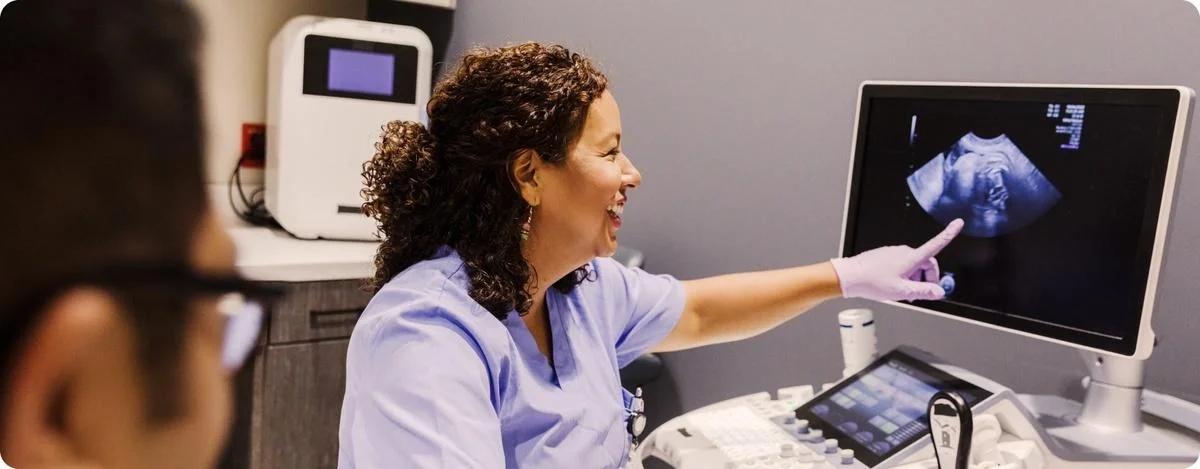
Bone recovery is a biological process that can be meaningfully accelerated. Ultrasound technology has emerged as one of the most effective tools for this purpose. It delivers precisely calibrated sound wave energy to fracture sites. This energy stimulates cells responsible for bone repair directly. Patients recover faster when this technology is consistently applied. Understanding how it works helps patients embrace its potential confidently. This article explores the science and application of ultrasound in bone recovery.
The Physical Principles Behind Ultrasound Therapy
Ultrasound uses sound waves beyond the range of human hearing. Medical devices generate these waves through piezoelectric crystals. When electrical current flows through these crystals, they vibrate. This vibration produces acoustic waves traveling through surrounding tissue. Different tissues absorb and transmit these waves at different rates. This variation creates the therapeutic interaction with biological tissue. The physics underlying ultrasound therapy are well-established and precise.
Therapeutic ultrasound differs fundamentally from diagnostic ultrasound imaging. Diagnostic ultrasound uses higher intensities for imaging purposes. Therapeutic ultrasound uses low intensities specifically to stimulate cells. Low-intensity pulsed ultrasound is the clinical standard for bone healing. The pulsed delivery prevents tissue heating while maintaining stimulation. This distinction makes therapeutic ultrasound safe for extended daily use. Patients can apply it at home without clinical supervision.
Frequency and Intensity Parameters
Precise parameters define how therapeutic ultrasound interacts with bone. The standard frequency for bone healing applications is 1.5 megahertz. At this frequency, energy penetrates adequately to reach fracture sites. The intensity used is 30 milliwatts per square centimeter consistently. This intensity stimulates cells without generating damaging thermal effects. A 20 percent duty cycle pulses sound on and off rapidly. These carefully optimized parameters reflect decades of research and clinical refinement.
Cellular Mechanisms Activated by Ultrasound
Bone cells respond to ultrasound through mechanotransduction processes. Mechanoreceptors on cell surfaces detect acoustic pressure changes. These receptors activate when sound waves pass through surrounding tissue. Intracellular signaling cascades begin immediately following receptor activation. Multiple pathways involved in bone formation become more active. The net result is increased bone matrix production at the fracture site.
Osteoblast proliferation increases measurably following ultrasound stimulation. These cells produce the collagen matrix that eventually mineralizes into bone. Collagen type I synthesis, critical for bone matrix, is upregulated. Growth factors including BMP-2, TGF-beta, and IGF-1 increase substantially. These proteins recruit additional repair cells to the healing zone. Vascular endothelial growth factor promotes new blood vessel formation there. Each of these cellular effects contributes to faster fracture healing overall.
Clinical Evidence Supporting Ultrasound for Recovery
Ultrasound bone healing technology has substantial clinical research behind it. The landmark Heckman trial demonstrated 38 percent faster tibial fracture healing. Kristiansen's research on Colles fractures showed meaningfully shortened healing times. Multiple systematic reviews confirm consistent acceleration across different fracture types. This body of evidence satisfies modern standards for evidence-based clinical practice.
Studies specifically examining high-risk populations show particularly notable results. Diabetic patients, smokers, and elderly individuals benefit significantly from ultrasound therapy. Nonunion cases, where healing has stalled, show union rates above 80 percent. These results in difficult populations highlight the technology's meaningful clinical impact. Physicians confidently prescribe this technology based on this established evidence.
At the center of this evidence, the ultrasound bone healing device delivers clinically validated therapy during brief daily sessions. Its compact design enables consistent home treatment without disruption. Digital compliance tracking ensures patients complete each required session. Physician oversight through connected monitoring improves adherence and outcomes. This device represents the best available evidence translated into accessible clinical practice.
Improving Recovery Timelines With Daily Ultrasound Use
Daily ultrasound application maintains consistent biological stimulation. Each session provides a fresh dose of healing-relevant signaling. The cumulative effect of consistent daily treatment is significant. Patients who miss sessions reduce the total biological stimulus delivered. Research demonstrates a clear correlation between compliance and healing speed. Building treatment into a consistent daily routine maximizes clinical benefit.
The brief duration of each session supports excellent adherence rates. Twenty minutes represents a minimal daily time investment for most patients. Sessions can be completed during other sedentary activities conveniently. Morning routines, television viewing, or reading all accommodate treatment well. This convenience is specifically designed to support consistent daily compliance. High compliance translates directly into faster recovery timelines for patients.
Tracking Progress During Ultrasound Therapy
Progress monitoring during ultrasound therapy confirms treatment is working. Serial X-rays assess callus formation and bridging at scheduled intervals. Clinical examination evaluates pain reduction and functional improvement. These assessments together confirm appropriate healing trajectory. When expected progress is delayed, physicians can intervene promptly. This monitoring framework ensures ultrasound therapy produces anticipated benefits.
Ultrasound Technology in Postoperative Recovery
Ultrasound technology supports recovery even after surgical fracture treatment. Internal fixation provides mechanical stability for bone alignment. However, biological healing must still occur around surgical hardware. Ultrasound stimulation enhances this biological healing component specifically. Studies show improved union around screws, plates, and rods with ultrasound use. Postoperative prescriptions for home ultrasound devices are increasingly common.
Spinal fusion procedures benefit from postoperative ultrasound stimulation. Improved fusion rates reduce risks of hardware failure and revision surgery. Surgeons increasingly recognize biological stimulation as essential alongside mechanical fixation. This combined approach addresses both structural and biological healing requirements. Patients benefit from comprehensive care that addresses both dimensions simultaneously.
Safety Considerations and Patient Suitability
Ultrasound therapy has an excellent long-term clinical safety record. No ionizing radiation is involved in the treatment process. No tissue heating occurs at the prescribed therapeutic intensity. Long-term follow-up studies report no adverse effects from regular use. The technology is suitable for most adult fracture patients generally. Some contraindications apply, including use over active infections or open wounds. Patients with certain implanted devices require individual physician evaluation.
FDA clearance for multiple ultrasound bone healing devices provides regulatory assurance. Clearance requires rigorous demonstration of both safety and effectiveness. Patients using cleared devices can trust they meet strict standards. Manufacturers provide clear instructions supporting safe, correct device use. Healthcare providers remain available to address questions during treatment courses. This support structure ensures patients use ultrasound therapy optimally and safely.
Ultrasound technology genuinely supports faster bone recovery through established mechanisms. Daily application provides consistent biological stimulation accelerating natural healing. Its clinical evidence base is extensive, rigorous, and consistently positive. Patients benefit from safe, convenient, effective home-based treatment sessions. Physician guidance ensures appropriate use and monitors expected progress. The combination of proven science and practical convenience makes ultrasound therapy a valuable recovery asset.

