


The Role of POS Systems in Reducing Retail Stockouts
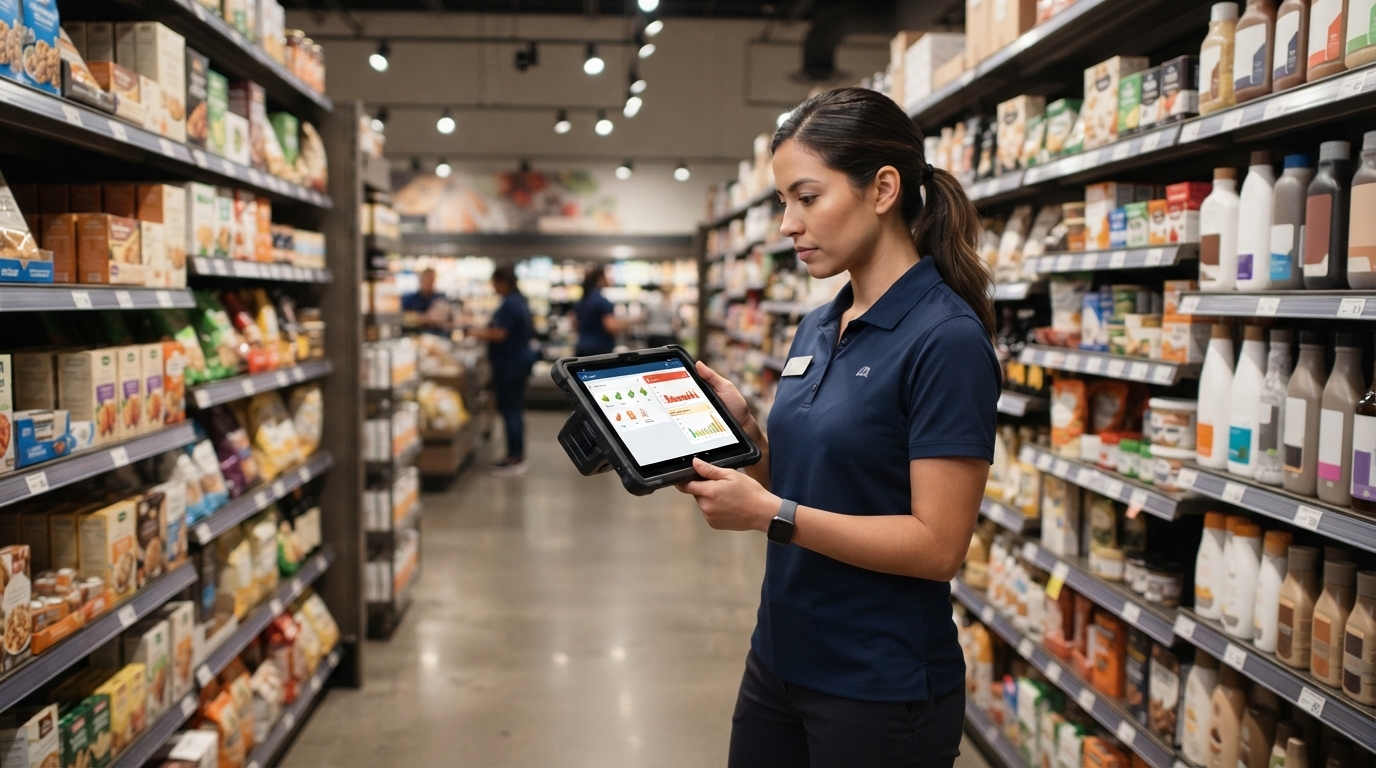
Few inventory problems frustrate retailers and customers more than stockouts. A shopper enters a store expecting to purchase a particular product, only to find an empty shelf. The retailer loses an immediate sale and may also risk losing future business if the customer turns to a competitor.
Preventing every stockout is unrealistic. Supplier delays, unexpected demand, transportation problems, and other disruptions can affect product availability. However, retailers can reduce avoidable stockouts by maintaining accurate inventory records and responding quickly to changes in demand.
A modern point-of-sale (POS) system supports this process by connecting sales transactions with inventory information. This gives retailers greater visibility into what is selling, what remains in stock, and what may need replenishment.
What Is a Retail Stockout?
A stockout occurs when customer demand exists for a product but the retailer has no available inventory to complete the sale.
Stockouts can occur at several levels. A product may be unavailable in one store while remaining available at another location. In other cases, the entire business may have exhausted its inventory.
Common causes include:
- Unexpected increases in demand
- Inaccurate inventory records
- Poor sales forecasting
- Supplier delays
- Incorrect order quantities
- Late replenishment
- Inventory shrinkage
- Seasonal demand changes
Understanding the cause is the first step toward reducing repeated availability problems.
Why Stockouts Are Costly
The most obvious consequence of a stockout is a lost sale.
However, the total impact can be much greater. Customers may purchase a substitute, postpone their purchase, or visit another retailer.
Repeated stockouts can also affect customer trust. If shoppers frequently cannot find the products they want, they may stop relying on that retailer.
For businesses, stockouts can therefore affect:
- Revenue
- Customer satisfaction
- Brand loyalty
- Inventory planning
- Staff productivity
- Competitive position
Maintaining appropriate stock levels helps create a more consistent shopping experience.
POS Systems Provide Real-Time Inventory Visibility
Traditional inventory methods often depend on manual updates. Employees may record sales and stock separately, creating opportunities for delays and errors.
An integrated POS system can update inventory quantities as transactions occur.
When a customer purchases an item, the system deducts that quantity from available inventory.
Managers gain a clearer view of:
- Current stock
- Recent sales
- Fast-moving items
- Low-stock products
- Inventory by location
Better visibility allows retailers to respond before inventory reaches zero.
Low-Stock Alerts Support Earlier Reordering
Waiting until a shelf is empty before placing an order increases the likelihood of lost sales.
Retailers can instead establish reorder points for important products.
When stock reaches a predetermined level, the system can highlight that item for attention or trigger a replenishment workflow, depending on the POS platform.
For example, a retailer may determine that a product should be reordered whenever inventory falls below 15 units.
This approach creates additional time for suppliers to process and deliver new stock.
POS Data Helps Identify Fast-Selling Products
Not every product sells at the same rate.
Some products may remain on shelves for weeks, while others sell several times each day.
POS sales reports allow retailers to identify their fastest-moving products.
Managers can then:
- Maintain higher safety stock.
- Reorder popular items earlier.
- Allocate more shelf space.
- Review supplier lead times.
- Increase order quantities when justified.
Prioritizing high-demand products can significantly reduce the financial impact of stockouts.
Historical Sales Improve Demand Forecasting
Sales history provides valuable information about future inventory requirements.
Retailers can analyze previous POS data to identify patterns such as:
- Weekend demand
- Monthly fluctuations
- Holiday peaks
- Seasonal changes
- Promotional increases
Suppose a particular product sells twice as quickly during December. A retailer that recognizes this pattern can increase inventory before demand rises.
Without historical information, ordering decisions may rely too heavily on guesswork.
Better Reorder Points Reduce Stockout Risk
A reorder point represents the inventory level at which a retailer should place a new purchase order.
A useful reorder point considers:
- Average sales
- Supplier lead time
- Demand variation
- Safety stock
Consider a product that sells 10 units per day and requires five days for replenishment. The retailer needs enough inventory to cover expected sales during that waiting period, plus additional safety stock where appropriate.
POS data provides the sales information needed to make these calculations more accurate.
Supplier Lead Times Become Easier to Manage
Even accurate demand forecasts cannot prevent stockouts if suppliers deliver late.
Retailers should understand how long each supplier normally takes to fulfill an order.
POS and purchasing records can help managers compare expected and actual replenishment timelines.
If a supplier consistently takes longer than expected, the retailer can:
- Order earlier.
- Increase safety stock.
- Adjust reorder points.
- Consider alternative suppliers.
This creates a more resilient inventory strategy.
Multi-Location Visibility Improves Product Availability
Retailers operating several stores have another way to prevent stockouts: transferring existing inventory.
One location may have excess stock while another has almost none.
A centralized POS system can provide visibility across multiple stores, allowing managers to identify these imbalances.
Instead of immediately ordering more products, the retailer may transfer inventory from a slower-selling location.
This can improve availability while reducing unnecessary purchasing.
Accurate Inventory Counts Are Essential
POS systems provide valuable data, but the information must reflect actual physical inventory.
Discrepancies can occur because of:
- Theft
- Damaged products
- Incorrect deliveries
- Unrecorded returns
- Counting errors
If the system reports 20 units while the shelf actually contains five, managers may delay replenishment and create an unexpected stockout.
Regular stock counts help identify and correct these differences.
Promotions Require Additional Planning
Marketing campaigns can cause sudden increases in demand.
A promotion that succeeds beyond expectations may quickly exhaust available inventory.
Retailers should review POS history before launching major discounts or promotional campaigns.
Previous sales information can help estimate:
- Expected demand
- Required inventory
- Suitable order quantities
This coordination between marketing and inventory management reduces the risk of promoting products that customers cannot actually purchase.
POS Data Can Reveal Repeated Stockout Patterns
A single stockout may result from an unusual event.
Repeated stockouts suggest a deeper inventory problem.
Retailers can analyze sales and stock reports to identify products that frequently become unavailable.
Possible causes include:
- Reorder points set too low
- Insufficient safety stock
- Rapid demand growth
- Supplier problems
- Incorrect forecasts
Recognizing patterns allows managers to address the cause instead of repeatedly reacting to empty shelves.
Balancing Stockouts and Overstocking
Avoiding stockouts does not mean filling warehouses with excessive inventory.
Overstocking creates its own problems, including:
- Higher storage costs
- Tied-up working capital
- Increased markdown risk
- Product expiry
- Obsolete inventory
Retailers need to maintain enough inventory to meet expected demand without carrying unnecessary stock.
POS data helps create this balance by showing how quickly products actually sell.
Turning Sales Information Into Better Decisions
The value of a POS platform extends beyond processing transactions. Its inventory and sales information can help retailers make practical decisions about replenishment, purchasing, and product availability.
For example, a retailer using Mhouse can review sales patterns and stock information as part of its everyday inventory management process. This makes it easier to identify products that require attention before low inventory turns into an empty shelf.
The important step is using the available information consistently rather than relying entirely on assumptions.
Final Thoughts
Retail stockouts cannot always be prevented, but retailers can significantly reduce avoidable shortages through accurate inventory management.
POS systems provide the visibility needed to monitor stock levels, identify fast-selling products, improve demand forecasts, establish better reorder points, and manage inventory across multiple locations.
However, reliable technology should work alongside good retail practices. Regular stock counts, supplier monitoring, thoughtful safety-stock levels, and accurate purchasing all remain essential.
By combining real-time sales information with disciplined inventory planning, retailers can keep more products available when customers want them while avoiding the cost of unnecessary overstocking.

