


How Long Does Professional Pest Control Take?
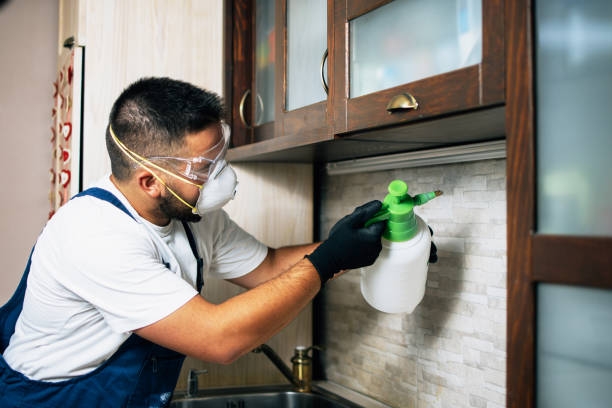
You spotted something. Maybe droppings behind the stove, a line of ants crossing the bathroom floor, or something worse. Now you're wondering how long this whole process is actually going to take before your home feels normal again. It's a fair question, and honestly, most people don't ask it until they're already stressed out. The short answer is that it depends heavily on the pest type, how bad things are, and which treatment method gets used. But there's a longer answer worth knowing before you pick up the phone. If you're looking for Pest Control Services in Cambridge ON, understanding the full timeline upfront will save you a lot of frustration later.
The Initial Inspection: What to Expect and How Long It Takes
Most inspections run between 30 minutes and two hours. Small apartments on the shorter end, larger homes or commercial properties on the longer end. The tech isn't just looking for live pests. They're checking entry points, moisture issues, nesting signs, and evidence of how long the problem's been going on. That last part matters more than people realize.
Pest type changes the inspection approach completely. A rodent inspection means checking wall gaps, crawl spaces, and attic access. A bed bug inspection means going mattress seam by mattress seam, checking furniture joints, and sometimes using a detection dog. Cockroach inspections focus on kitchens, behind appliances, and inside wall voids. Don't be surprised if the tech asks you a handful of questions about when you first noticed activity and whether you've already tried anything yourself.
After the inspection, you'll usually get a report or verbal summary with a treatment recommendation. Some companies do this same day. Others schedule a follow-up call within 24 to 48 hours. Either way, the inspection itself is just the starting line.
Preparation Time Before Treatment Starts
This is the part people underestimate. Prep work can add a day or two, sometimes more, depending on the pest. Bed bug heat treatments require you to bag clothing, remove certain items, and prep every room in the house. That alone can take a full day if your home is cluttered. Rodent exclusion jobs might need you to clear out areas around the foundation so the tech can seal entry points properly.
Cockroach treatments usually require emptying lower kitchen cabinets, covering food and dishes, and keeping pets out of treated areas for a set period. Ant treatments are generally less prep-heavy, but gel bait placements need certain surfaces to be clear and dry. The company you hire should give you a prep checklist before they arrive. If they don't, ask for one. Skipping prep steps is one of the most common reasons treatments underperform.
Treatment Methods and Their Timelines
Chemical Sprays and Residual Treatments
Standard chemical spray treatments take one to three hours for most homes. The product is applied to baseboards, entry points, and targeted areas, then it needs time to dry before re-entry. Re-entry times vary by product, but one to four hours is typical. You won't see immediate results. Residual sprays work over days as pests walk through treated zones, so give it a week before you judge whether it's working.
Heat Treatments
Heat treatment is mostly used for bed bugs. It's a full-day job, usually six to eight hours on site. The whole space gets brought up to a temperature that kills bugs at every life stage, including eggs. You can't rush that process. Re-entry is usually the same day once temps drop, which is a genuine advantage over some chemical methods that have longer waiting periods.
Bait Systems
Bait systems, common for cockroaches, ants, and rodents, work slowly on purpose. The idea is that pests carry the bait back to the colony or nest and spread it. That takes time. Expect two to four weeks before you see a real drop in activity. Some bait station setups, especially for rodents, involve multiple service visits spaced a week or two apart. Patience is part of the process here, not a sign something went wrong.
Exclusion Work
Exclusion means physically sealing the ways pests get in. This is common for rodents and sometimes wasps. The work itself might take a few hours to a full day depending on property size and how many entry points need attention. Results are pretty immediate in terms of stopping new pests from entering, but you may still have activity from pests already inside until they're dealt with separately.
If you want a solid sense of how these methods compare, the EPA's pest control guidance breaks down integrated pest management approaches in plain terms and is worth a read.
Post-Treatment: Waiting Periods and Follow-Up Visits
The waiting period after treatment is real. Don't expect pests to vanish overnight. Most chemical treatments show a noticeable drop in activity within five to ten days. Heat treatments for bed bugs are faster, often with results visible in 24 to 48 hours. Bait systems are the slowest, sometimes taking three to four weeks to fully work through a colony.
Follow-up visits are standard with most reputable services, especially for rodents and cockroaches. A second visit usually happens one to two weeks after the first treatment to check bait stations, assess activity levels, and do any touch-up work. Some programs include three or four visits over the course of a month or two. That's not a sign the first treatment failed. It's just how thorough pest elimination actually works.
If you're looking into Best Pest Control Services in Cambridge ON, check whether follow-up visits are included in the quoted price or billed separately. That detail matters for your budget and for your expectations about the timeline.
What Extends or Shortens the Timeline
Severity is the biggest factor. A light ant problem caught early might be handled in a single visit with results in a week. A long-running cockroach infestation in a larger home could take six weeks of treatment and follow-ups before things are fully under control. Property size matters too, obviously, but it's less important than how deeply the infestation has established itself.
Homeowner cooperation makes a huge difference. Skipping the prep checklist, not vacuuming after a bed bug treatment as instructed, or letting pets back into treated areas too soon can all drag out the timeline significantly. The tech does their part, but you have to do yours. Pestxterminators is one company that sends detailed prep and aftercare instructions to clients before and after every job, which helps avoid those common delays.
Pest Control Services in Cambridge ON that include a warranty or guarantee period are worth prioritizing. If activity continues past the expected window, you want a company that'll come back without charging you again for the same problem.
Best Pest Control Services in Cambridge ON will always give you a realistic timeline estimate after the inspection, not before. Anyone promising a quick fix over the phone before they've even seen the property is probably not someone you want handling your home.
Frequently Asked Questions
How long does a pest inspection usually take?
Most residential inspections take between 30 minutes and two hours. Larger properties, or cases where the pest type is harder to detect (like bed bugs), can run longer. The tech needs enough time to check all the likely hiding spots and entry points properly.
Can I stay home during pest control treatment?
It depends on the treatment method. Chemical spray treatments usually require you to leave for one to four hours. Heat treatments for bed bugs require the whole home to be vacated for most of the day. Bait station placements are generally low-disruption and don't require you to leave at all.
How long before I see results after treatment?
Chemical sprays typically show a noticeable reduction in pest activity within five to ten days. Heat treatments work faster, often within 24 to 48 hours. Bait systems are the slowest, sometimes taking two to four weeks to work through a colony. The timeline really does depend on which method your tech uses.
Why do I need follow-up visits if the first treatment worked?
Follow-up visits aren't just about catching failures. They let the tech check that bait stations are being used, verify that entry points are holding, and do touch-up applications if needed. Pests like rodents and cockroaches often require multiple treatment rounds to fully clear because of how they reproduce and hide.
What can I do to speed up the process?
Follow the prep checklist your company provides, every single step. Keep the treated areas undisturbed during the waiting period. Don't clean baseboards or mop floors right after a spray treatment since that removes the residual product. And report any continued activity to your tech promptly so they can adjust the approach before the next scheduled visit.

