


7 Signs You Need a Professional HVAC Technician
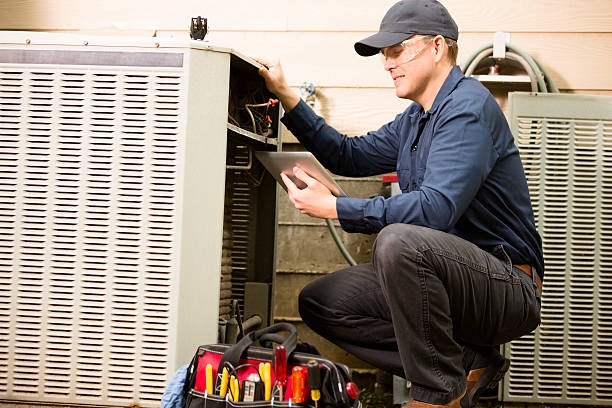
Most people put off calling someone about their heating or cooling system for way too long. The unit sounds a little off, the rooms feel a little warm, the electric bill creeps up. And still, people wait. The problem is that what starts as a small fix almost always turns into a much bigger repair bill if you ignore it long enough. Knowing when to call a HVAC Technician in Fort Lauderdale can honestly save you hundreds of dollars, and in some cases it can protect your family from real safety risks. Below are seven warning signs that mean it's time to stop waiting and pick up the phone.
1. Weak or Uneven Airflow Through Your Home
Walk from room to room and hold your hand near the vents. If some rooms feel comfortable and others barely get any airflow, that's a red flag. It's not always just a dirty filter. Weak or uneven airflow usually points to a failing blower motor, a blockage somewhere in the duct system, or a compressor that's starting to give out. These aren't problems you can fix with a YouTube video and a screwdriver.
A technician can run pressure tests and inspect the ductwork to find exactly where the problem is. Skipping that step and guessing usually means you'll replace the wrong part and still have the same issue a month later. Not worth it.
2. Strange Noises Coming From the Unit
Your HVAC system should hum along quietly. The moment you start hearing banging, rattling, hissing, squealing, or any other noise that wasn't there before, pay attention. Different sounds point to different problems. A banging noise usually means a loose or broken part inside the unit. Hissing often points to a refrigerant leak. Squealing can mean a worn belt or a bearing that's about to fail.
None of these fix themselves. They get worse. And the longer a loose component bangs around inside a system, the more damage it does to everything around it. One small broken part can turn into a full compressor replacement if you let it go. That's the kind of outcome worth avoiding.
3. Your Energy Bills Keep Climbing
Here's something most people don't connect right away. If your energy bill spikes and you haven't changed your habits, your thermostat settings, or your schedule, your HVAC system is probably the reason. A system that's struggling with a fault has to run longer and work harder to reach the temperature you set. That extra effort shows up directly on your electric bill.
According to the U.S. Department of Energy's guidance on air conditioning efficiency, a poorly maintained or malfunctioning cooling system can use significantly more electricity than one that's running properly. A few months of those inflated bills can easily outweigh the cost of a single service call. Worth thinking about.
4. The System Short Cycles Constantly
Short cycling is when your system turns on, runs for a minute or two, shuts off, then kicks back on again almost immediately. It never completes a full cycle. This is hard on every component in the system and it accelerates wear in a way that normal operation just doesn't. If you notice this pattern, don't ignore it.
Short cycling can be caused by an oversized unit, a refrigerant problem, a dirty evaporator coil, or a failing thermostat. Some of those causes sound simple, but diagnosing the right one takes proper tools and training. Guessing wrong and replacing the thermostat when the real issue is refrigerant won't solve anything. A qualified HVAC Technician in Fort Lauderdale FL can run the right diagnostics and tell you exactly what's happening.
5. Warm Air From Your Cooling System (or Cold Air From Your Heater)
This one's obvious but people still rationalize it. "Maybe it just needs a minute." It doesn't. If your air conditioner is blowing warm air, you're likely looking at a refrigerant leak, a failed compressor, or a thermostat issue. If your heater is pushing cold air, the heat exchanger or the ignition system may be the culprit.
If you're in South Florida and your AC is blowing warm air in July, that's not a situation to sit on. Corbin HVAC is one company in the area that handles exactly these kinds of calls and can get a tech out to diagnose the problem properly. Don't just crank the thermostat down and hope it fixes itself. It won't.
6. Bad Smells You Can't Explain
Smell something musty when the system kicks on? That's usually mold or mildew growing somewhere inside the unit or in the ductwork. Not just unpleasant. Genuinely bad for your air quality, especially if anyone in your home has allergies or asthma. A burning smell is a different issue entirely and can point to an electrical problem inside the unit. Act fast on that one.
Sulfur or rotten egg smell is the most urgent. That can mean a gas leak near your furnace or heat pump system, and that's a situation where you should turn off the system, get everyone out, and call for help immediately. Don't try to track it down yourself. Some smells are inconvenient. Others are dangerous. A technician can tell the difference and handle it safely.
7. Your System Is Getting Old
Most HVAC systems last somewhere between 10 and 15 years with decent maintenance. Past that range, parts start wearing out faster, efficiency drops, and repairs get more frequent and more expensive. If your system is in that age range and you're also noticing any of the signs above, that combination is a clear signal to get a professional evaluation done.
An older system showing multiple symptoms isn't going to get better on its own. Sometimes a repair makes sense. Sometimes replacement is the smarter call financially. Either way, you need a professional to assess it honestly before you make that decision. A HVAC Technician in Fort Lauderdale FL who knows older systems can walk you through your real options without overselling you on something you don't need.
Frequently Asked Questions
How do I know if my HVAC problem is an emergency?
Gas smells, burning odors, or a complete loss of cooling during extreme heat are the situations that need immediate attention. For everything else, you usually have a short window to schedule a service call before things get worse. But don't stretch that window too long.
Can I diagnose my own HVAC problem before calling someone?
You can check a few basics: replace the filter if it's dirty, make sure the thermostat is set correctly, and check that circuit breakers haven't tripped. Beyond that, the internal components of an HVAC system need proper tools and training to diagnose safely. Poking around inside the unit yourself can cause more damage and void warranties.
How often should I have my HVAC system serviced?
Twice a year is the standard recommendation. Once before cooling season and once before heating season. Regular tune-ups catch small problems before they turn into big ones and keep the system running efficiently all year.
Is it cheaper to repair or replace an old HVAC system?
It depends on the age of the unit and the cost of the repair. A good rule of thumb: if the repair costs more than half the price of a new system and the unit is already over 10 years old, replacement usually makes more financial sense in the long run. A technician can give you an honest breakdown.
What causes an HVAC system to short cycle?
Short cycling has a few common causes including an oversized unit for the space, low refrigerant levels, a dirty evaporator coil, or a faulty thermostat. Each cause has a different fix, which is why proper diagnosis matters before any parts get replaced.
If your system is showing even one or two of these signs, it's already telling you something. The longer you wait, the more it tends to cost. A quick call to a qualified technician is almost always cheaper than the repair bill you'll face after a full breakdown.

