


Comprehensive Guide to Choosing and Utilizing a Quadruplex Cable for Overhead Power Distribution Projects
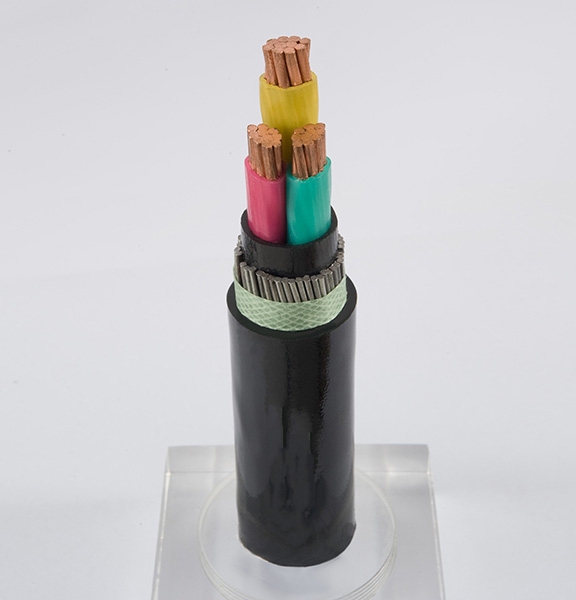
The progression of modern electrical infrastructure relies heavily on the innovation, durability, and resilience of overhead power distribution materials. Traditional bare conductor systems, which historically dominated rural and urban secondary distribution grids, have gradually been phased out in favor of tightly bundled, insulated configurations. Among these advanced solutions, the quadruplex cable stands out as a fundamental component for three-phase low-voltage electrical networks. Designed to perform reliably under rigorous environmental conditions, this specialized cable assembly ensures that electricity moves safely from utility poles directly to transformer banks, commercial buildings, or residential service entry points. Understanding the technical parameters, structural composition, and operational scope of a quadruplex cable enables project planners, electrical engineers, and utility procurement teams to execute robust, long-lasting grid installations.
At its core, a quadruplex cable consists of four distinct conductive elements tightly twisted together. Typically, three of these cores function as insulated phase conductors, carrying alternating current across the electrical grid, while the fourth core serves as a neutral messenger. This twisted geometry is engineered to maintain balanced mechanical tension across long spans between utility poles, minimizing sag and protecting the assembly from severe wind loads, falling tree branches, and ice accumulation. The phase conductors are generally manufactured from high-purity stranded aluminum, chosen for its exceptional electrical conductivity-to-weight ratio and cost-effective nature compared to copper alternatives. Encasing each phase conductor is a robust layer of insulation, most commonly cross-linked polyethylene (XLPE) or high-density polyethylene (HDPE), formulated to withstand ultraviolet radiation, extreme thermal shifts, and high humidity levels without degrading.
The evolution of overhead power transmission required materials that could mitigate the inherent vulnerabilities of open-wire systems, where accidental contact by wildlife, tree limbs, or construction equipment routinely caused catastrophic short circuits and power interruptions. The introduction of the quadruplex cable addressed these operational hurdles by providing a compact configuration where individual live conductors are permanently protected by thick dielectric barriers. Because the phases are closely bundled yet electrically isolated from one another and from the grounding environment, the likelihood of phase-to-phase faults drops significantly. This structural integrity allows utility operators to run lines through densely forested corridors, narrow urban alleyways, and tightly packed residential zones with absolute confidence in public safety and continuous grid performance.
Procurement teams and engineering contractors managing large-scale electrification initiatives must adhere strictly to internationally recognized manufacturing specifications to guarantee safety and interoperability. A top-tier quadruplex cable is typically produced in compliance with rigorous benchmarks such as ASTM (American Society for Testing and Materials) standards, ICEA (Insulated Cable Engineers Association) specifications, IEC guidelines, or regional equivalents like NFC and British Standards. Compliance with ASTM standards ensures that the aluminum wire drawing, stranding configurations, and physical elongation properties meet exact mechanical tolerances. For instance, specifications covering aluminum 1350-H19 wires or alloy reinforcements dictate the exact tensile strength and conductivity thresholds required to endure decades of mechanical stress caused by fluctuating seasonal temperatures and mechanical tensioning during installation.
The manufacturing process of a premium quadruplex cable begins with the precise drawing and stranding of aluminum wires. The phase conductors are compressed or concentrically stranded to achieve a smooth outer profile, which optimizes the thickness and uniformity of the subsequent extrusion coating. Cross-linked polyethylene insulation is then applied using continuous vulcanization extrusion lines, ensuring the material achieves high cross-linking density for superior thermal stability and moisture resistance. The neutral messenger core, which frequently utilizes high-strength aluminum alloy or aluminum conductor steel-reinforced (ACSR) construction, provides the necessary load-bearing capacity so that the electrical phase wires experience virtually zero mechanical strain along the span. This clever division of labor—where the messenger bears the physical weight and the insulated cores carry the current—allows for longer spans between utility poles, reducing the total number of poles required per kilometer and lowering overall infrastructure capital expenditures.
In practical field deployment, the installation of a quadruplex cable demands adherence to specialized stringing and tensioning protocols. Technicians utilize specialized pulley blocks, pulling grips, and hydraulic tensioners to hoist the bundled assembly into position without scratching or compromising the outer UV-resistant insulation layer. Proper sag and tension calculations must be meticulously observed during installation, accounting for ambient temperature variations, maximum wind velocity, and ice loading specific to the geographic region. Utilizing appropriate wedge clamps, suspension brackets, and piercing connectors designed specifically for aerial bundled conductors ensures secure mechanical anchoring and flawless electrical contact at connection points, service drops, and transformer terminals.
Beyond standard municipal power distribution, the utility of a quadruplex cable extends across diverse operational environments. In rural electrification projects, where distribution lines must stretch across vast tracts of rugged terrain, these cables provide reliable three-phase power to agricultural centers, remote settlements, and localized industrial outposts. In modern urban and suburban real estate developments, they are deployed for secondary service drops feeding commercial complexes, multi-family residential buildings, and temporary construction sites where rapid, safe, and compact power delivery is mandatory. Their inherent resistance to atmospheric corrosion, industrial pollutants, and salt spray also makes them exceptionally well-suited for coastal infrastructure projects and heavy industrial zones where traditional metallic sheathing would rapidly deteriorate.
Another vital dimension of utilizing a quadruplex cable involves its contribution to non-technical loss reduction and security within utility networks. In regions plagued by unauthorized power tapping and illegal grid connections, bare open-wire configurations offer easy access for illicit tampering. Because a quadruplex cable tightly wraps all live phase conductors in durable, tough insulation, illicit connection attempts become exponentially more difficult and hazardous. This physical barrier acts as an effective deterrent against energy theft, securing revenue streams for utility providers while safeguarding the local populace from the lethal dangers associated with exposed electrical lines.
Maintenance procedures for networks utilizing a quadruplex cable are significantly streamlined compared to legacy systems. Because the insulated bundle is resistant to short-circuiting caused by intermittent vegetation contact or wind-blown debris, routine tree-trimming cycles can be extended, resulting in substantial operational cost savings for grid operators. When inspections are required, thermal imaging drones and visual patrols can quickly identify any surface anomalies, mechanical wear on suspension hardware, or lightning strike impacts without requiring complex line de-energization. The robust nature of the XLPE insulation ensures that minor external impacts do not instantly trigger system trips, translating into higher grid reliability indices, fewer customer complaints, and stable power delivery standards.
Environmental considerations also play an increasingly important role in the selection of overhead power distribution materials. High-grade polymers utilized in manufacturing a quadruplex cable are engineered to be environmentally stable, releasing no toxic leachates into surrounding soil or water tables during prolonged exposure to intense sunlight and seasonal precipitation. Furthermore, the efficiency of energy transmission achieved through optimized aluminum conductivity and low electrical resistance minimizes thermal losses along the line, contributing indirectly to energy conservation objectives across large-scale utility grids.
Final Thoughts
The integration of a high-quality quadruplex cable into contemporary electrical distribution networks represents a proven strategy for achieving long-term operational safety, mechanical durability, and financial efficiency. By replacing vulnerable bare wire systems with tightly twisted, insulated aluminum conductors built to strict international benchmarks such as ASTM standards, utility providers and industrial contractors can construct resilient overhead grids capable of withstanding severe weather and environmental challenges. Proper selection, rigorous adherence to installation guidelines, and systematic maintenance ensure that these advanced power networks deliver uninterrupted electrical service to communities and industrial facilities for decades.

