


Dutch Business Setup: Essential Steps for Foreign Entrepreneurs
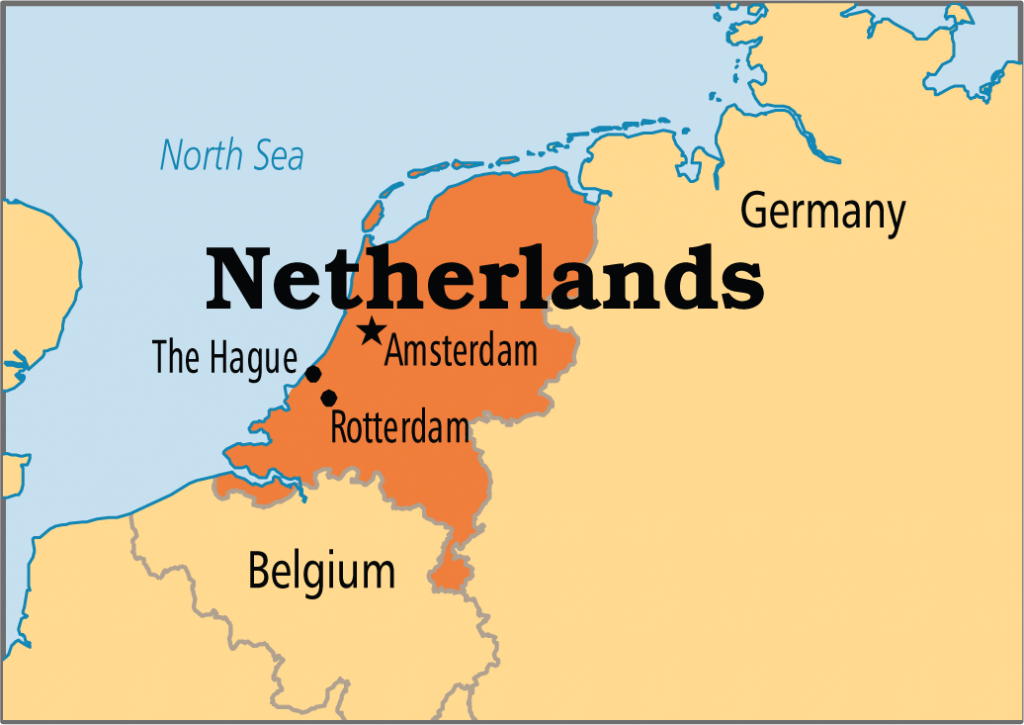
Starting a business in the Netherlands can give foreign entrepreneurs access to a strong local economy and the wider European market. However, setting up a company involves more than registering a business name.
From choosing the right legal structure to handling taxes, banking, and administration, each step needs careful planning. A clear setup process can help international founders avoid delays and unexpected compliance issues.
1. Choose the Right Legal Structure
The first step is selecting a legal structure that fits the business.
Many foreign entrepreneurs choose a Dutch BV because it provides limited liability and works well for companies planning to operate or grow in Europe. Other structures, such as sole proprietorships and partnerships, may be suitable for smaller businesses or specific situations.
The choice can affect taxation, administration, liability, and future investment plans.
2. Prepare the Company Registration
Once the structure is selected, the founder needs to prepare the required information and documents.
For a BV, incorporation normally involves a Dutch civil-law notary. The company is then registered with the Dutch Chamber of Commerce (KVK).
Foreign founders should prepare information such as:
- Company name and business activities
- Details of directors and shareholders
- Identification documents
- Registered business address
- Corporate structure
- Beneficial ownership information
Understanding the company registration Netherlands process in advance can make incorporation more straightforward.
3. Arrange Tax Registration
After registration, the company may need to deal with several Dutch tax obligations depending on its activities.
VAT is particularly important for businesses selling goods or services. Companies with employees also need to consider payroll-related obligations.
Business owners should also understand how profits, dividends, and investments may be treated under Dutch tax rules. For example, anyone researching Netherlands capital gains tax should first determine whether the gain relates to business assets, shares, or an individual's investment because the tax treatment can differ.
The term capital gain tax Netherlands is often used broadly, but there is not simply one general capital gains tax rate that applies to every situation. Professional tax advice can help determine the relevant rules.
4. Open a Business Bank Account
A dedicated business bank account makes it easier to separate company finances from personal funds.
Banks may ask for incorporation documents, identification, information about the company's activities, and details about ownership. International founders should allow time for compliance checks, especially when shareholders or directors are based outside the Netherlands.
5. Set Up Accounting and Administration
Good financial administration should be established from the beginning.
A Dutch company needs to maintain proper accounting records and meet applicable reporting and tax requirements. Depending on the company's size and activities, this may include bookkeeping, VAT returns, annual accounts, payroll administration, and corporate tax filings.
Using professional accounting support can be useful for foreign founders who are unfamiliar with Dutch reporting practices.
6. Check Additional Compliance Requirements
Not every company has the same obligations.
An importer may need an EORI number and additional customs support. An e-commerce business may need to understand EU VAT rules. A company hiring staff must consider employment and payroll requirements.
This is where a local Dutch partner can be useful. FirmNL supports international businesses with company formation, VAT and EORI registration, accounting, payroll, and other operational requirements.
7. Plan for Ongoing Business Costs
Business setup should not be viewed as a one-time expense. Foreign entrepreneurs should budget for recurring costs such as:
| Expense | Why It Matters |
|---|---|
| Accounting | Keeps financial records and filings organized |
| Tax compliance | Helps meet Dutch tax obligations |
| Payroll | Required when employing staff |
| Business address | Provides a professional registered presence |
| Banking | Supports daily company transactions |
| Legal support | Helps with changing business requirements |
Planning these expenses early makes the transition from company formation to daily operations much smoother.
Conclusion
Dutch business setup becomes easier when foreign entrepreneurs approach it as a complete process rather than simply a registration task. Choosing the right legal structure, completing company registration, arranging tax and banking, and preparing ongoing administration are all important steps.
With proper planning and local expertise, international founders can establish their Dutch business with a clearer understanding of both the opportunities and responsibilities involved.

