


Leafy Camo Suit: Features, Benefits, Uses, and Buying Guide
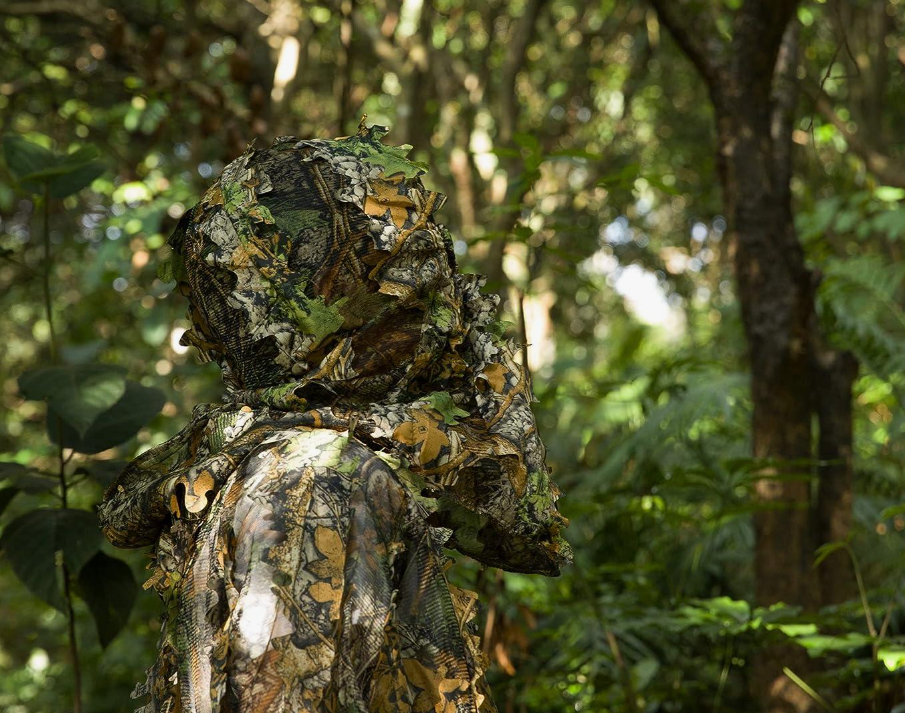
Outdoor activities often require clothing that combines practical protection with effective visual concealment. A leafy camo suit is designed with three-dimensional foliage-like elements that can help break up the wearer's outline and create a more natural appearance in outdoor environments. Hunters, wildlife observers, photographers, and other outdoor enthusiasts may use leafy camouflage when moving through wooded areas, brush, grass, and other vegetation. In addition to concealment, the right suit can provide useful coverage from light weather, vegetation, and changing outdoor conditions.
Choosing suitable camouflage involves more than selecting a realistic-looking pattern. Terrain, vegetation, season, movement, temperature, and fabric construction all influence how useful a camouflage garment can be. A quality leafy design should balance concealment with mobility, breathability, durability, and comfortable fit. Understanding these characteristics can help outdoor users choose a suit that complements their environment and supports extended periods of outdoor activity.
Understanding Leafy Camouflage Design
Leafy camouflage differs from conventional printed camouflage because it uses loose, foliage-inspired elements attached to an outer garment. These components can create texture and depth, helping disrupt the recognizable outline of the wearer. Instead of presenting a flat surface, the layered construction can produce a more irregular appearance that resembles surrounding vegetation. Designs may vary in color, density, material, and overall coverage depending on the intended environment. Some garments are lightweight and designed to be worn over existing clothing, while others provide more complete coverage. The design should allow the wearer to move naturally without excessive restriction. Construction quality is also important because the attached foliage elements need to remain secure during normal outdoor movement.
Why Leafy Camouflage Is Useful for Outdoor Activities
Visual concealment can be particularly useful for people who spend time observing wildlife or moving through natural environments. Hunters may choose leafy camouflage to complement vegetation and reduce the visual prominence of their clothing. Wildlife photographers and birdwatchers can also use natural-looking outer layers when they need to remain less visually noticeable while observing animals. The effectiveness of any camouflage depends on the environment, lighting, distance, and movement involved, so no single pattern is appropriate for every location. A leafy design can be particularly useful in areas containing grasses, shrubs, branches, and uneven vegetation because its three-dimensional texture can complement naturally irregular surroundings.
Features of a Leafy Camo Suit
A leafy camouflage suit can include several features that influence comfort and practical performance. Three-dimensional foliage elements are the defining characteristic, but material weight, attachment quality, ventilation, adjustable closures, and overall coverage are also important. Lightweight construction can make the garment easier to wear for extended periods, especially in warmer conditions. Breathable materials may help manage heat and moisture during movement, while durable outer fabrics can withstand contact with brush and vegetation. Some designs include hoods, face coverings, elastic cuffs, or adjustable waist areas for additional coverage and a secure fit. Storage pockets may also be useful for carrying small outdoor essentials. Buyers should consider how these features work together rather than evaluating the visual appearance of the garment alone.
Choosing the Right Camouflage for Different Environments
The surrounding environment should be a major consideration when selecting leafy camouflage. Woodland areas may contain a mixture of green leaves, brown branches, shadows, and natural ground cover, while grasslands and dry terrain may require lighter or more muted colors. Seasonal changes can also affect the appearance of vegetation, meaning a pattern that works well during one part of the year may be less suitable during another. Users should examine the dominant colors, textures, and vegetation in the areas where they expect to spend the most time. The density and length of the leafy elements can also influence how the garment interacts visually with its surroundings. Choosing a design that complements the local environment can provide a more practical result than selecting a suit based only on its general camouflage style.
Comfort, Fit, and Material Considerations
Comfort becomes especially important when camouflage clothing is worn for several hours at a time. A leafy suit should provide sufficient freedom of movement without becoming unnecessarily heavy or restrictive. Lightweight materials are often useful in warm conditions, while layering may be preferable when temperatures change throughout the day. Breathability can help manage heat during physical activity, and a comfortable fit can make walking, sitting, and observation easier. The construction should also be considered because excessive bulk may make movement through dense vegetation more difficult. Adjustable features can help secure the garment without creating uncomfortable pressure. Buyers should review sizing information carefully and consider what clothing will be worn underneath the suit before selecting a size.
Practical Applications Beyond Hunting
Although leafy camouflage is commonly associated with hunting, its uses can extend to several outdoor activities. Wildlife photographers and birdwatchers may use textured camouflage clothing when spending extended periods observing animals. Nature enthusiasts and field researchers may also appreciate garments that visually complement natural surroundings while providing practical protection. Outdoor hobbyists can use lightweight camouflage layers during camping, hiking, and other activities where durable clothing is useful. The garment's usefulness ultimately depends on its construction and the environment in which it is worn. A breathable, lightweight leafy outer layer may be suitable for warm-weather activities, while a heavier layered system may be more appropriate for colder conditions.
Durability and Maintenance
The three-dimensional construction of leafy camouflage requires appropriate care to maintain its appearance and functionality. Users should follow the manufacturer's cleaning instructions because different fabrics and attached materials can require specific washing methods. Rough handling, excessive heat, or unsuitable detergents may damage foliage elements or affect the color of the garment. After use in wet conditions, the suit should be dried thoroughly before being stored. Users should periodically inspect the garment for loose attachments, damaged stitching, worn closures, or other signs of wear. Because leafy elements can catch on branches and vegetation, careful movement and proper storage can help reduce unnecessary damage. Keeping the suit clean and dry can also help preserve its material quality and extend its usable life.
Future Trends in Leafy Camouflage Clothing
Outdoor apparel manufacturers continue to develop camouflage garments that balance concealment, weight, comfort, and durability. Improvements in lightweight textiles and attachment techniques can help create leafy designs that provide three-dimensional texture without adding excessive bulk. Manufacturers are also developing patterns and materials intended for specific environments and seasons. Greater attention to breathability and moisture management can improve comfort during extended outdoor use, while stronger attachment methods may increase durability. Future designs may increasingly combine traditional leafy construction with modern performance fabrics and adaptable components. These developments can give outdoor users more options for selecting garments suited to specific environments and activity levels.
Conclusion
A leafy camo suit can provide outdoor enthusiasts with a practical combination of three-dimensional visual texture, environmental integration, comfort, and coverage. Its effectiveness depends on selecting a design that matches the surrounding terrain, vegetation, season, and intended activity. Hunters, wildlife observers, photographers, and other outdoor users should consider material weight, breathability, fit, durability, foliage construction, and maintenance requirements before making a purchase. Proper care can help preserve the garment's appearance and extend its useful life. By choosing camouflage based on real outdoor conditions rather than appearance alone, users can build a more functional and comfortable approach to outdoor clothing.

