


Pregnancy Blood Test at Home: When Follow-Up Testing May Be Needed
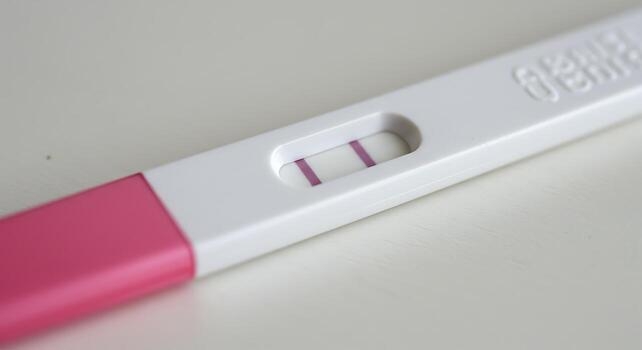
A pregnancy blood test can provide important information about whether human chorionic gonadotropin (hCG) has been detected, but in some situations, one test may not provide enough information to answer every question. A Pregnancy Blood Test At Home in dubai allows a qualified healthcare professional to collect a blood sample at home and arrange laboratory analysis, offering a convenient alternative to an initial clinic visit. A Doctor at Home service may also provide general guidance about the testing process and potential next steps. Follow-up testing may be considered when the first test is performed very early, when results are unclear or unexpected, or when a healthcare professional wants to monitor changes in hCG over time. Understanding why repeat testing may be recommended can help patients approach the process with greater confidence.
What a Pregnancy Blood Test Measures:
Pregnancy blood tests detect hCG, a hormone that begins to increase after implantation. There are two common types of pregnancy blood tests: qualitative and quantitative. A qualitative test generally reports whether hCG has been detected, while a quantitative test measures the concentration of hCG in the blood. The type of test used can influence what information is available after the initial appointment. While a positive or negative result may answer a basic pregnancy question, quantitative testing can provide additional information when repeat measurements are considered appropriate.
Why One Test May Not Be Enough:
A single pregnancy blood test may not always provide a complete picture, particularly during very early pregnancy. The amount of hCG in the bloodstream changes over time, and testing too soon can produce a negative result even if pregnancy has occurred. In other situations, a healthcare professional may want to understand how a quantitative hCG level changes between two samples. Follow-up testing is therefore not necessarily an indication that something is wrong. It may simply be a way to obtain additional information when timing or clinical circumstances make a single measurement insufficient.
Follow-Up After an Early Negative Result:
One of the most common reasons for repeat testing is a negative result obtained very early. After conception, implantation must occur before hCG begins increasing significantly. If the blood test is performed before hCG reaches the laboratory's detection threshold, the result may be negative. Women whose period remains absent or who continue to suspect pregnancy may be advised to repeat the test after an appropriate interval. The decision to repeat testing depends on factors such as menstrual timing, possible ovulation date, symptoms, and the initial test result.
How Menstrual Timing Influences Repeat Testing:
Menstrual cycle timing can make pregnancy testing more complicated. Women with regular cycles may have a clearer idea of when their period is expected, while irregular cycles can make the timing less predictable. If ovulation occurred later than anticipated, implantation and hCG production may also occur later. Important information for a healthcare professional may include:
- Date of the last menstrual period.
- Typical cycle length.
- Approximate ovulation date.
- Possible conception date.
- Date of the first pregnancy test.
- Previous pregnancy test results.
- Changes in menstrual patterns.
This information can help determine whether repeat testing may be useful.
Follow-Up After a Positive Result:
A positive pregnancy blood test generally indicates that hCG has been detected and, in the appropriate clinical context, indicates pregnancy. However, further healthcare may still be needed after confirmation. Depending on the circumstances, a healthcare professional may recommend prenatal care, additional laboratory testing, pregnancy dating, or other assessments. Follow-up does not necessarily mean that the original result was uncertain. Instead, it may be part of the normal transition from pregnancy confirmation to ongoing care.
When Quantitative hCG Testing May Be Repeated:
Quantitative hCG testing provides a numerical measurement of hCG concentration. In certain situations, healthcare professionals may recommend repeat quantitative testing to observe changes over time. The focus is generally on the pattern between measurements rather than one isolated number. Pregnancy timing and individual biological variation can cause substantial differences in hCG concentrations, so comparing a personal result with generalized online charts may be misleading. If serial testing is recommended, the healthcare professional will determine the appropriate timing based on the patient's circumstances.
Why hCG Trends Can Provide More Information:
A single hCG value cannot provide every detail about an early pregnancy. When quantitative testing is repeated, healthcare professionals can compare measurements and consider whether the observed pattern is consistent with the clinical situation. The time between tests is important because hCG changes as pregnancy progresses. However, hCG results should always be interpreted alongside other information rather than used as a standalone assessment of pregnancy health. Professional interpretation can help patients understand why a repeat test has been recommended and what information it is intended to provide.
Follow-Up When Results Are Unexpected:
Sometimes a pregnancy blood test result does not appear to match the patient's circumstances. For example, a positive result may occur after a recent pregnancy or fertility treatment involving hCG, while a negative result may occur despite a missed period and other reasons to suspect pregnancy. In such cases, healthcare professionals may recommend repeat testing or additional evaluation. An unexpected result should not automatically be assumed to be a laboratory mistake. Understanding the patient's medical history, recent treatments, and testing timeline can help determine the appropriate next step.
Follow-Up After Fertility Treatment:
Women undergoing fertility treatment should inform their healthcare professional about recent medications and procedures. Some fertility treatments may contain hCG, which can influence pregnancy testing. Depending on the treatment and timing, a healthcare provider may recommend testing or repeat testing according to a specific schedule. Following professional instructions is particularly important because fertility treatment can make standard pregnancy-testing timelines less straightforward. Patients should not interpret hCG results independently without considering their treatment history.
The Importance of Professional Sample Collection:
Professional blood collection is an important part of home pregnancy testing. A qualified healthcare professional can verify patient details, prepare appropriate equipment, collect the required sample, and label the specimen correctly. Accurate identification and handling help support reliable laboratory analysis. After collection, the sample is transported to the laboratory according to the provider's procedures. If repeat testing is needed, patients may benefit from using a consistent professional service and following the healthcare provider's recommended schedule.
How Laboratory Processing Affects Follow-Up:
The blood sample must reach the laboratory in an appropriate condition for analysis. Patients should ask the provider how samples are transported, which laboratory performs the testing, and how long results typically take. Follow-up testing may involve comparing results from separate samples, so proper laboratory procedures are important. If the provider recommends repeat quantitative testing, patients should follow the specified timing rather than scheduling tests randomly. This helps healthcare professionals interpret changes more meaningfully.
When a Negative Result May Need Reassessment:
A negative pregnancy blood test may need reassessment when pregnancy remains suspected. Circumstances that may prompt a healthcare professional to consider repeat testing include:
- Testing before the expected period.
- A persistently missed period.
- Uncertain ovulation timing.
- Irregular menstrual cycles.
- A very early possible conception date.
- Symptoms or circumstances that warrant further evaluation.
A healthcare professional can determine whether repeat testing is appropriate based on the complete clinical picture.
When a Positive Result May Need Follow-Up:
A positive result should generally be followed by appropriate pregnancy care. Depending on the patient's circumstances, follow-up may involve reviewing medications, discussing prenatal supplements, confirming pregnancy timing, and planning future assessments. Additional hCG testing may sometimes be recommended, but it is not automatically required for every pregnancy. Healthcare professionals determine the need for follow-up based on individual circumstances rather than applying the same testing schedule to everyone.
When Ultrasound May Be Part of Follow-Up:
Blood testing and ultrasound provide different types of information. A pregnancy blood test detects hCG, while an ultrasound can provide information about the location and development of a pregnancy when performed at an appropriate stage. If a healthcare professional believes an ultrasound is appropriate, its timing will depend on pregnancy dating and individual circumstances. Patients should understand that repeat blood testing does not necessarily replace other forms of pregnancy assessment.
Symptoms That Require Prompt Medical Attention:
Follow-up testing should never delay urgent medical evaluation when concerning symptoms occur. Patients who experience severe abdominal or pelvic pain, heavy bleeding, fainting, significant dizziness, or other sudden and concerning symptoms should seek prompt medical attention. A home pregnancy blood test is a diagnostic service, not an emergency assessment. Symptoms should always be evaluated according to their severity and clinical context, regardless of whether a pregnancy blood test has already been completed.
How to Prepare for Repeat Testing:
If follow-up testing is recommended, patients can make the process easier by keeping records of previous results and relevant dates. Useful information includes:
- Date and result of the first test.
- Whether the test was qualitative or quantitative.
- Menstrual cycle information.
- Date of the last menstrual period.
- Relevant medications and supplements.
- Recent fertility treatment, if applicable.
- Any new or changing symptoms.
Providing accurate information allows the healthcare professional to understand the reason for repeat testing and interpret the results in context.
Questions to Ask About Follow-Up Testing:
Patients should feel comfortable asking their healthcare provider why a repeat test is recommended. Helpful questions include:
- Why is another pregnancy blood test needed?
- When should the next test be performed?
- Will the repeat test be quantitative?
- How will the results be compared?
- When should the laboratory report be expected?
- What symptoms should prompt additional medical attention?
- Is an ultrasound or other assessment likely to be needed?
Clear communication can reduce uncertainty and help patients understand the purpose of each step.
How Home Testing Can Make Follow-Up More Convenient:
When repeat blood collection is necessary, home testing can reduce some of the practical challenges associated with returning to a healthcare facility. Patients may be able to arrange another professional blood draw at home, reducing travel and waiting time. This can be especially convenient for women with demanding schedules or those who prefer a private environment. However, the convenience of home testing should always be combined with appropriate professional guidance, laboratory processing, and timely follow-up when medically indicated.
Final Thoughts:
Follow-up testing after a Pregnancy Blood Test At Home in dubai may be recommended for several reasons, including testing very early, an uncertain menstrual timeline, an unexpected result, or the need to monitor quantitative hCG changes. A repeat test does not automatically mean there is a problem; often, it simply provides additional information that cannot be obtained from one measurement. Professional sample collection, accurate laboratory analysis, and appropriate medical interpretation are important throughout the process. Women should keep records of their test results and relevant dates and follow the timing recommended by their healthcare professional. A positive result should lead to appropriate prenatal care, while an early negative result may require reassessment if pregnancy remains suspected. Most importantly, severe pain, heavy bleeding, fainting, or significant dizziness should receive prompt medical attention rather than waiting for another home test.

