


How to Tell Your Stylist Exactly What You Want
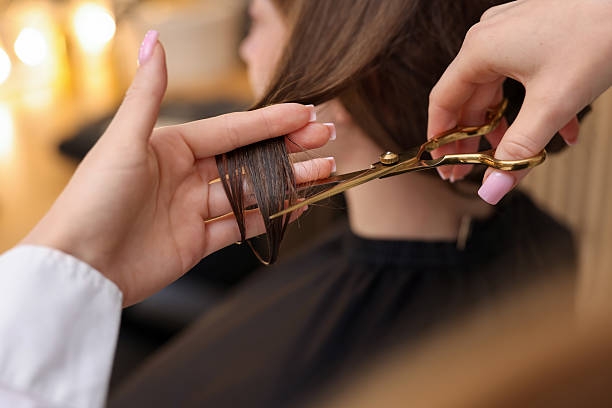
You know that sinking feeling when you sit back in the chair, look in the mirror, and realize it's not even close to what you had in your head? It happens constantly. And honestly, most of the time it's not the stylist's fault. The gap between "just a trim" and what a client actually pictures can be enormous. If you're getting ready for a salon visit and you want to walk out feeling good, the way you talk to your stylist matters just as much as picking the right place. Finding the Best Hair Salon in Jacksonville, NC is a solid first step, but showing up prepared is what actually gets you the result you want. Here's how to do it right.
Stop Relying on Words Alone
Verbal descriptions are slippery. What you mean by "short" and what your stylist pictures as "short" can be two completely different lengths. Same goes for "layers," "volume," "natural," and pretty much every other word people use to describe hair. It's not that anyone's being careless. It's just that hair vocabulary is vague by nature.
Bring photos. Seriously, this is the single most effective thing you can do. Pull up three or four reference images on your phone before you even sit down, and show them during your consultation. Don't just show the cut you love. Also show one that's close but not quite right and explain what you don't like about it. That contrast gives your stylist a much clearer target than any description could. Pinterest boards work great for this. So does a quick screenshot from Instagram.
One thing people forget: make sure the photos show hair with a similar texture to yours. A photo of bone-straight hair isn't super useful if you've got tight curls. Your stylist can work with inspiration images, but they'll ask you to be realistic about what translates to your actual hair type. That's not them being negative. That's them setting you up for success.
Use Terms That Actually Mean Something
Stylists work in specific measurements and techniques, not feelings. "A little off the top" tells them almost nothing. Instead, try saying something like "take two inches off the length" or "I want it to hit just below my collarbone." Concrete. Specific. That's what sticks.
For layers, know the difference between a few things before you sit down. Face-framing layers start near the face and blend into the rest. Long layers add movement without removing much bulk. Short layers create more texture and volume but can feel choppy if you're not expecting it. You don't need to be an expert, but knowing one or two of these terms helps the conversation move faster and more accurately.
Texture is another one worth thinking about. If you want something that looks "effortless," say that, but also describe how much time you actually spend on your hair in the morning. Five minutes or forty-five? That answer changes everything about what cut makes sense for you.
Tell Them About Your Life, Not Just Your Hair
Your stylist isn't just cutting hair. They're trying to give you something you can actually maintain. So tell them how you live. Do you work out every day and wash your hair constantly? Do you air-dry and never touch a blow dryer? Do you have kids and approximately zero minutes in the morning? All of that matters.
A cut that looks incredible in the salon can be a nightmare at home if it requires thirty minutes of styling you're never going to do. Be honest about your routine. Most stylists will actually adjust their recommendation based on what you tell them, and they'd rather give you something realistic than something that makes them look great on the day but frustrates you for the next six weeks.
Also mention how often you plan to come back in. If you're someone who gets a haircut twice a year, that's a different cut than someone who's in the chair every six weeks. A good stylist will factor in how much grow-out you're going to deal with.
Be Upfront About Your Hair History
This part is where a lot of people get shy. They don't want to admit they've been box-dyeing at home for two years, or that they flat-iron their hair every single day, or that they had a keratin treatment six months ago. But hiding this stuff can genuinely cause problems.
Chemical services don't mix well if your stylist doesn't know what's already in your hair. Box color especially can react unpredictably with professional color. Heat damage changes how hair behaves under bleach. Previous relaxers or perms affect how a cut falls. Your stylist needs the full picture to plan safely, not just to get the color right but to protect the health of your hair.
Just tell them. They've heard it all before. No judgment. The information helps them do a better job, full stop.
Speak Up During and After the Service
A lot of people go quiet the second scissors start moving. They watch something go wrong in the mirror and say nothing because they don't want to be rude. Then they go home unhappy and never come back. That's a bad outcome for everyone.
You're allowed to speak up mid-appointment. If something feels off, say it calmly and specifically. "That side looks a bit shorter than I expected" is a useful thing to say. "I don't like it" is harder to work with. The more specific you are, the faster your stylist can respond. Most of them genuinely want to fix it before you leave the chair, not find out in a one-star review later.
After the service, if you're not happy, say so before you pay. Politely, but clearly. Most reputable salons will offer to adjust the work. If you're looking for a place that handles this kind of feedback well, the Best Hair Salon in Jacksonville, NC is one where the staff actually welcomes that conversation rather than getting defensive about it.
And if everything went great? Tell them that too. Stylists remember clients who communicate well, and you'll get better and better results over time because they'll know exactly how to read you.
Frequently Asked Questions
How many reference photos should I bring to my appointment?
Three to five is usually a good range. Too few and your stylist doesn't have much to work with. Too many and the direction gets muddy. Pick images that show different angles of the same general look if you can, and try to find photos with a hair texture similar to yours.
What if my stylist suggests something different from what I asked for?
Hear them out. Stylists sometimes push back because they can see something you can't, like damage, an awkward growth pattern, or a structural issue that would make your requested cut look off. Ask them to explain their thinking. You can still say no, but it's worth listening first before you decide.
Is it rude to correct my stylist mid-appointment?
Not at all. It's actually helpful. Catching a problem while you're still in the chair is much better than realizing it at home. Keep your tone calm and be specific about what you're noticing. A professional stylist won't take it personally. They'd rather fix it right there than lose you as a client.
How do I describe my hair texture if I don't know the right words?
You don't need technical terms. Bring a photo, or describe it in plain terms: "my hair is fine and gets flat by noon," or "it's thick and poofy and I can never get it to lay flat." Your stylist will ask follow-up questions. The goal is to start the conversation, not deliver a perfect description on the first try.
Should I wash my hair before a haircut appointment?
It depends on the salon and the service. For a color service, many stylists actually prefer unwashed hair. For a cut, clean hair is usually better so they can see how it naturally falls. When in doubt, just ask when you book the appointment. Most salons are happy to tell you exactly what to do beforehand.
The whole thing comes down to treating your appointment like a real conversation, not a transaction where you hand over control and hope for the best. You know your hair, your life, and what you want. Your stylist knows technique and what's possible. Put those two things together and you've got a real shot at walking out happy every single time.

