


Before Containerization: How Ocean Freight Worked
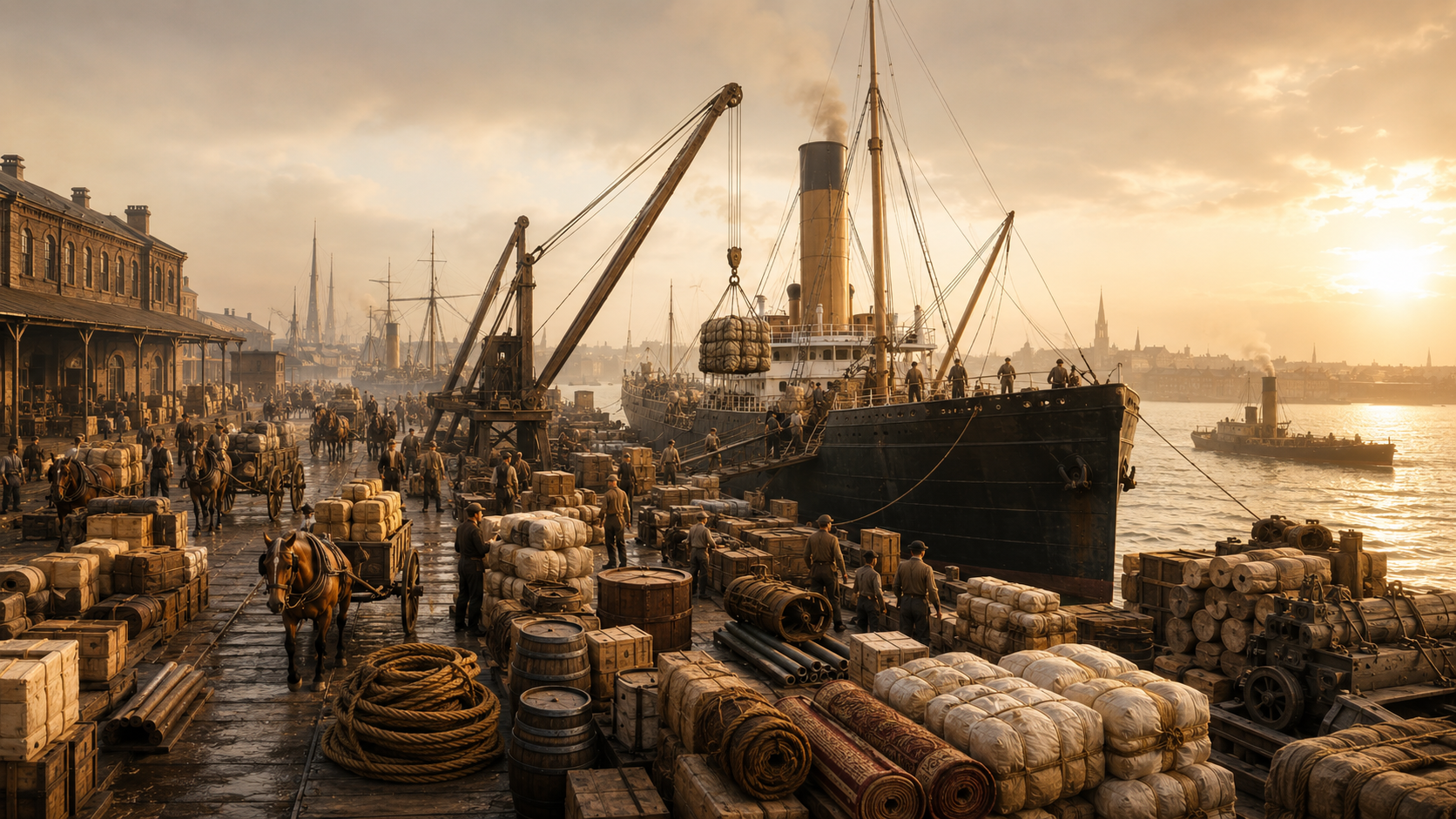
Today, ocean freight, sea freight & advanced ocean logistics connect businesses across continents with remarkable speed and efficiency. Modern ocean freight shipping relies on standardized containers, digital tracking systems & integrated supply chain networks. However, international trade looked vastly different before the invention of the shipping container.
Before the modern ocean container transformed global commerce; merchants, sailors & transporters relied on manual handling, wooden crates, barrels, sacks & individually loaded cargo. While trade flourished, transporting goods required immense labour, careful planning & significant time.
The Era Before Containerization
Before the 1950s, cargo was known as "breakbulk cargo." Every package was loaded & unloaded individually at ports. Workers manually carried goods onto ships using ropes, cranes, nets & sheer manpower. Items such as spices, cotton, machinery, tea, timber & manufactured products were packed in barrels, wooden boxes or cloth sacks. Every shipment demanded meticulous planning to prevent damage during long sea voyages. At this stage, sea freight shipping was slow, labour-intensive & vulnerable.
How Ocean Shipping Worked
Early ocean shipping depended on merchant vessels that transported hundreds of different cargo types together. Since every shipment differed in size & packaging, loading was a long process. It would take several days or even weeks. Cargo had to be carefully arranged within the ship's hold to maintain balance. If goods shifted during rough seas, the vessel's stability could be affected. For businesses involved in international trade, arranging ocean freight meant coordinating with ship owners, dock workers, customs officials & local transport providers.
The Role of Ship Chartering
Long before container vessels became common; ship chartering played a critical role in global trade. Merchants frequently chartered entire vessels or reserved cargo space for transporting bulk commodities. Depending on cargo volume and destination, traders selected different vessel types to optimise costs and delivery schedules.
Life at Busy Ports
Ports around the world were bustling centres of commerce. Ships often remained docked for extended periods while workers manually unloaded thousands of individual packages. Unlike today's streamlined ocean freight logistics, every shipment required detailed documentation, inspections & physical verification.
Delays were common, increasing transportation costs and disrupting supply chains.
Beyond the Sea: Multimodal Movement
Before modern logistics, transporting cargo rarely involved only ships. Goods travelled through a combination of horse carts, river barges & later rail transport to reach inland destinations. These early forms of multimodal transport laid the foundation for today's integrated multimodal logistics, where cargo moves seamlessly across ships, railways, trucks & air networks.
Challenges of Traditional Shipping
Before containerization, international trade faced several operational challenges:
- High labour costs due to manual cargo handling.
- Increased cargo damage during repeated loading and unloading.
- Higher risk of theft and pilferage.
- Longer turnaround times at ports.
- Limited shipment visibility compared to modern ocean freight tracking.
- Complex documentation for import export logistics.
These inefficiencies often slowed down international commerce.
The Container Revolution
The introduction of the standardized shipping container completely transformed ocean freight shipping. Instead of handling thousands of individual packages, goods could now be packed securely inside containers and transferred directly between ships, trucks & trains. Modern FCL & LCL shipping further improved efficiency by allowing businesses to ship either full container loads or smaller consignments while sharing container space. Containerization dramatically reduced shipping time, minimized cargo damage & significantly lowered transportation costs.
Modern Ocean Logistics
International shipping services are powered by sophisticated technology and integrated supply chain logistics. Businesses can monitor shipments using ocean freight tracking, optimize routes & coordinate transportation through digital platforms. Leading ocean shipping companies and experienced ocean freight forwarders now provide comprehensive global logistics solutions. They connect manufacturers and customers across international markets with greater speed and reliability. Global supply chain management & international supply chain management have become essential for ensuring efficient cargo movement from origin to destination.
From Manual Trade to Global Connectivity
The journey from manually loaded breakbulk cargo to today's containerized shipping represents one of the greatest innovations in transportation history. Modern ocean freight, sea freight & advanced ocean freight logistics have transformed global commerce. They make international trade faster, safer & more economical than ever before. What once took weeks of manual effort can now be accomplished through highly coordinated logistics networks that connect businesses worldwide. As technology continues to evolve, the future of shipping will build upon this remarkable legacy, delivering even greater efficiency, visibility & sustainability across global trade.

