


What Defects Should a Snagging Company Check Before Handover?
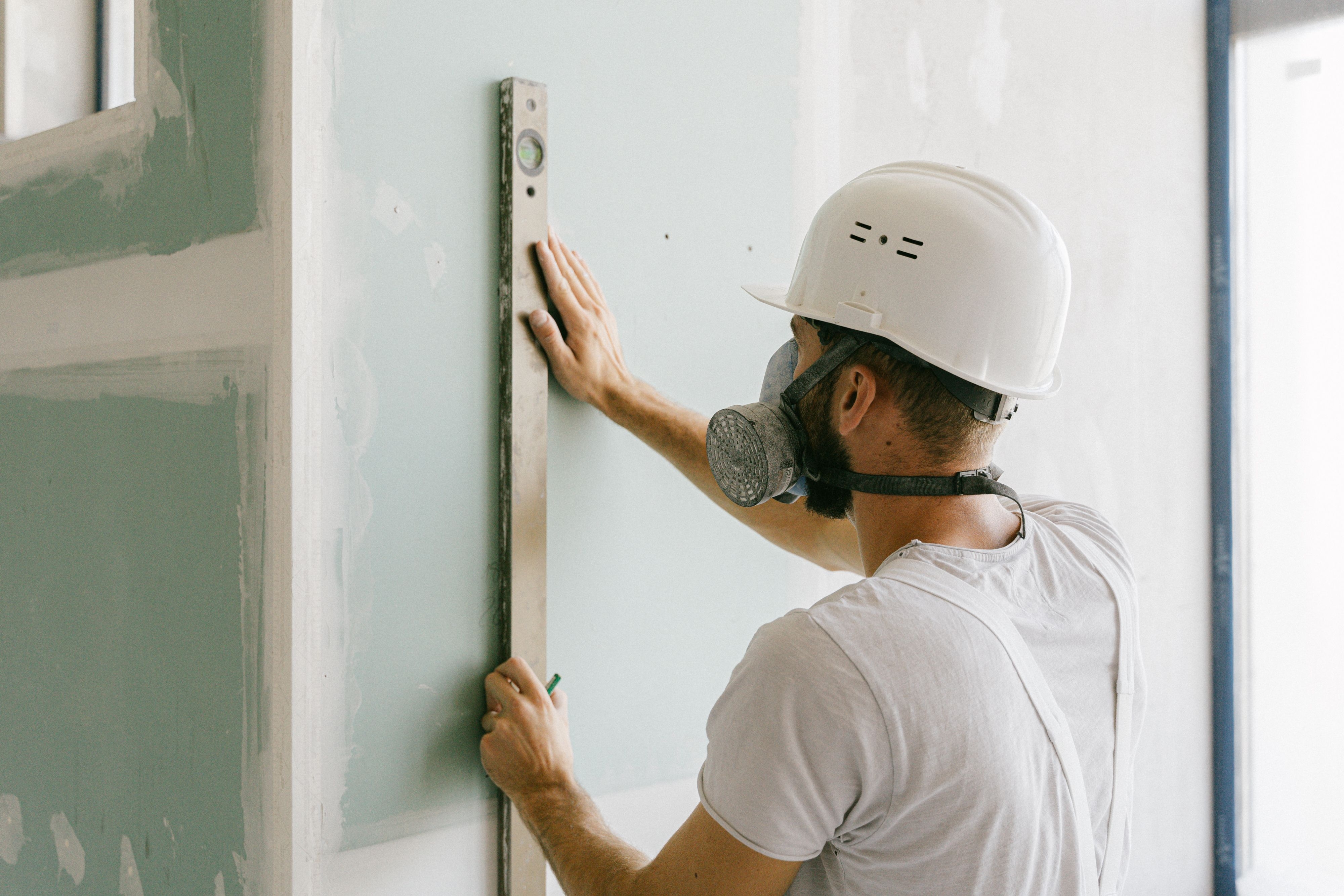
Buying a new apartment or villa in Dubai is an exciting experience, but receiving the keys should not be the end of the inspection process. Even newly constructed properties can have defects, incomplete work, poor finishes, or installation issues that may not be visible during a quick walkthrough.
This is why a professional snagging inspection before handover is so important. A qualified snagging company can systematically inspect the property, identify defects, document them, and provide a detailed report that can be shared with the developer or contractor.
But what exactly should be checked during a snagging inspection?
Here are some of the most common areas and defects a professional snagging company should examine before property handover.
## 1. Walls and Ceilings
Walls and ceilings are among the first areas that should be inspected.
An inspector should look for:
* Cracks and surface damage
* Uneven plaster or surfaces
* Poor paintwork
* Paint stains or overspray
* Damp patches or visible moisture
* Uneven corners and edges
* Gaps around fixtures
* Incomplete finishing
Small cosmetic issues may seem insignificant, but multiple defects can indicate poor finishing standards.
## 2. Floors and Tiles
Flooring should be checked throughout the property, including bedrooms, living areas, kitchens, bathrooms, balconies, and other tiled spaces.
The inspection should identify:
* Cracked or chipped tiles
* Uneven flooring
* Loose tiles
* Poor tile alignment
* Damaged wooden or laminate flooring
* Inconsistent grout
* Gaps between flooring and walls
* Scratches and stains
Inspectors may also check whether floors are level and whether tiled areas have appropriate drainage.
## 3. Doors and Door Frames
Every internal and external door should be checked for proper operation.
A snagging inspection may identify:
* Doors that do not close properly
* Misaligned frames
* Damaged hinges
* Loose handles
* Faulty locks
* Scratches or dents
* Gaps around frames
* Poor paint or finishing
* Doors rubbing against floors
Doors should operate smoothly and securely without unnecessary force.
## 4. Windows and Glass
Windows are particularly important because they affect ventilation, security, insulation, and weather protection.
A professional inspection should check:
* Cracked or scratched glass
* Damaged frames
* Faulty handles
* Poor alignment
* Difficulty opening or closing
* Gaps around frames
* Damaged seals
* Visible water leakage
* Poor finishing around window openings
Large windows and balcony doors should receive particular attention.
## 5. Electrical Systems
Electrical defects can be difficult for homeowners to identify without appropriate testing.
Where accessible and appropriate, an inspector may check:
* Electrical sockets
* Light switches
* Light fixtures
* Distribution boards
* Visible wiring
* Socket alignment
* Faulty switches
* Non-functioning lights
* Loose electrical fittings
Any suspected electrical safety issue should be reported and addressed by an appropriately qualified professional.
## 6. Plumbing and Water Systems
Plumbing problems are common issues that can become expensive if ignored.
A snagging inspection should examine accessible plumbing fixtures, including:
* Taps and faucets
* Sinks
* Toilets
* Showers
* Bathtubs
* Visible pipework
* Water pressure
* Drainage
* Leaks
* Sealant around wet areas
Inspectors should also look for signs of water damage around cabinets, walls, ceilings, and floors.
## 7. Bathrooms
Bathrooms contain multiple systems and fixtures, making them an important part of the inspection.
A professional snagging inspection can check:
* Tiles and grout
* Sanitaryware
* Shower fittings
* Taps
* Toilets
* Drainage
* Water flow
* Sealants
* Mirrors
* Cabinets
* Doors
* Ventilation
* Visible leaks
Poorly sealed wet areas can eventually lead to moisture damage, so these details should not be overlooked.
## 8. Kitchen and Cabinets
The kitchen should be inspected carefully because it contains electrical appliances, plumbing fixtures, cabinets, countertops, and multiple fittings.
The inspection should look for:
* Misaligned cabinet doors
* Damaged drawers
* Loose handles
* Scratched countertops
* Damaged sinks
* Poor sealant
* Water leaks
* Faulty appliances
* Uneven cabinets
* Poor finishing
* Damaged tiles or splashbacks
Built-in appliances should also be checked for basic functionality where access and testing are permitted.
## 9. Air Conditioning and Ventilation
Air conditioning is essential in Dubai, making HVAC inspection particularly important.
A snagging company should check accessible components and look for:
* Poor cooling performance
* Unusual noises
* Damaged vents
* Poorly fitted grilles
* Airflow issues
* Visible water leakage
* Condensation problems
* Damaged controls
* Poor finishing around AC openings
Any technical HVAC issue requiring specialist attention should be referred to an appropriately qualified technician.
## 10. Balconies and Outdoor Areas
Balconies, terraces, and outdoor areas should also be included in the inspection.
Inspectors may check:
* Floor tiles
* Drainage
* Railings
* Doors
* Outdoor lighting
* Wall finishes
* Sealants
* Water pooling
* Visible cracks
* Damage to external finishes
Proper drainage is especially important because standing water can cause long-term damage.
## 11. Fixtures and Fittings
Small fixtures can easily be overlooked during a handover walkthrough.
A snagging inspection should examine items such as:
* Handles
* Hinges
* Shelves
* Mirrors
* Towel rails
* Light fittings
* Switch plates
* Curtain fittings
* Cabinets
* Built-in storage
The inspector should identify damaged, loose, missing, or incorrectly installed items.
## 12. Paintwork and Finishing
Finishing defects are among the most common snags in newly completed properties.
Inspectors can look for:
* Uneven paint
* Different shades
* Visible brush marks
* Scratches
* Stains
* Paint splashes
* Poorly finished edges
* Unpainted areas
* Cracks
* Gaps around fixtures
These issues may appear minor individually but can significantly affect the overall appearance of a new property.
## 13. Water Leakage and Dampness
Water-related defects deserve special attention because they can become more serious over time.
Inspectors should look for visible signs such as:
* Damp patches
* Water stains
* Discolouration
* Leaking taps or pipes
* Poor bathroom sealing
* Drainage problems
* Water pooling
* Moisture around AC units
Identifying potential water-related issues before handover can help prevent more extensive damage later.
## 14. Structural and Construction Defects
A snagging inspection can also identify visible construction concerns such as:
* Significant cracks
* Uneven surfaces
* Poorly finished joints
* Gaps around openings
* Damaged concrete surfaces
* Defective finishes
* Misaligned construction elements
A standard snagging inspection is not necessarily a substitute for a specialist structural assessment. Any potentially serious structural concern should be investigated by a suitably qualified professional.
## 15. Common Areas and External Elements
Depending on the inspection scope and property type, buyers may also want to understand the condition of relevant external or shared areas.
For apartments, this could include issues affecting the entrance, corridors, parking area, or other areas that form part of the property's handover scope.
The exact coverage should always be confirmed with the snagging company before booking.
## Why a Professional Snagging Inspection Matters
A quick personal walkthrough can easily miss defects. Professional inspectors use a structured approach to examine different areas of the property and document problems clearly.
A detailed snagging report can include photographs, descriptions, locations, and recommendations for rectification. This makes it easier for homeowners to communicate outstanding issues to the developer or contractor.
Once repairs are completed, a follow-up inspection can also help confirm whether the reported defects have been properly addressed.
## When Should You Book a Snagging Inspection?
Ideally, the inspection should be arranged before the final handover or as early as the developer's access procedures allow.
Early identification gives the developer an opportunity to correct defects before you fully move into the property.
If you are purchasing an off-plan property, check the developer's handover process and your contractual requirements so that the inspection is carried out at the appropriate stage.
## Final Thoughts
A newly built property is not automatically free from defects. From cracked tiles and poor paintwork to plumbing, electrical, AC, drainage, and installation issues, there are many areas that should be checked before accepting a property handover.
A professional snagging company can provide a systematic inspection and detailed documentation, helping homeowners identify problems before they become more difficult or expensive to resolve.
Before accepting the keys to your new property, make sure you understand what the inspection covers and choose a qualified, experienced professional who can thoroughly assess the property.

