


How Can You Tell When Your Brakes Need Service
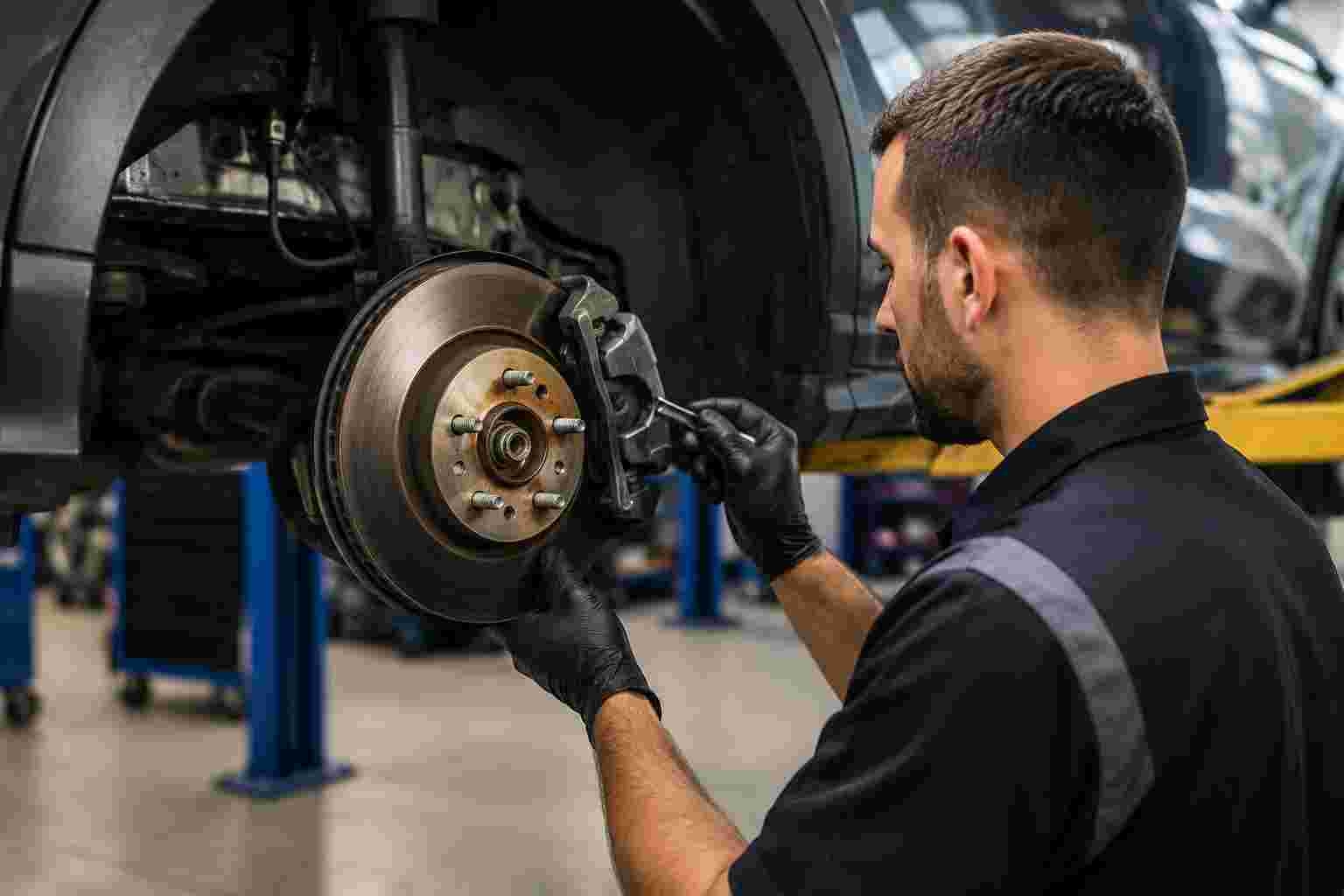
Brake service is an important part of vehicle maintenance because a reliable braking system helps you control your car and stop when needed. Brake problems do not always appear suddenly. In many cases, the first signs are small changes in sound, pedal feel, or stopping performance. Knowing what to watch for can help drivers respond before a minor issue becomes a bigger concern.
One common warning sign is a squealing sound when braking. Some brake pads have wear indicators designed to make noise when the pads become thin. While occasional noise can have different causes, repeated squealing is worth checking. A grinding sound is more serious and may indicate that the brake pad material has worn down significantly.
The brake pedal can also provide useful clues. If the pedal feels softer than usual, sinks farther toward the floor, or requires more pressure, there may be an issue with the hydraulic system or another brake component. On the other hand, a pedal that suddenly feels unusually hard should also be inspected.
Pay attention to how the vehicle behaves when you stop. If the car pulls toward one side, the braking force may not be balanced between the wheels. Uneven pad wear, a sticking caliper, or other mechanical problems can sometimes cause this behavior.
Vibrations are another sign drivers should not ignore. A shaking steering wheel or pulsating brake pedal during braking can be related to uneven brake rotor surfaces. The exact cause can only be determined through an inspection, but unusual vibration should not be treated as normal.
A burning smell after repeated braking may also indicate excessive heat. This can happen after driving down a steep hill, carrying a heavy load, or making several hard stops. If the smell happens regularly during normal driving, the braking system should be checked.
Dashboard warning lights provide another important clue. Depending on the vehicle, a brake warning light may indicate low brake fluid, a parking brake that has not been released, or a problem within the braking system. The owner's manual can help explain the warning specific to the vehicle.
Routine inspections can help identify worn pads, damaged rotors, leaking brake lines, and other problems before they affect braking performance. Drivers should also follow the maintenance schedule recommended by the vehicle manufacturer.
Paying attention to these warning signs can help keep a vehicle's braking system in better condition. When unusual noises, vibrations, smells, or pedal changes appear, timely brakes repair may help prevent further problems and keep stopping performance dependable.

