


Wealth Management Certificate A Complete Guide for Finance Professionals in the UK
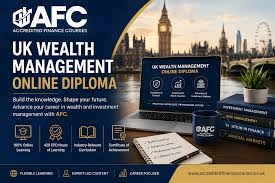
Managing personal and private wealth requires knowledge across several areas of finance. Professionals working with clients may need to understand investment principles, financial planning, portfolio management, risk management, taxation, retirement planning, and wealth preservation.
A Wealth Management Certificate can provide structured learning for individuals who want to develop knowledge in these areas. A suitable programme can help learners understand how different financial concepts connect and how they can contribute to broader wealth management strategies.
Current UK wealth management training commonly covers areas such as investments, tax planning, retirement planning, estate planning, portfolio management, risk management, and client focused financial planning.
For professionals seeking flexible finance education, Accredited Finance Courses can support learning and professional development in wealth management and related financial subjects.
What Is a Wealth Management Certificate?
What is a Wealth Management Certificate?
A Wealth Management Certificate is a course or professional learning credential designed to develop knowledge of wealth management principles and related areas of finance.
Depending on the programme, learners may study financial planning, investment management, portfolio management, risk and return, diversification, taxation, retirement planning, estate planning, and client relationship management.
The level and recognition of certificates can differ between providers. Some are designed for professional development, while others are formal qualifications awarded by recognised professional bodies. For example, the UK investment sector has recognised qualifications from organisations such as CFA UK and CISI.
Why Study a Wealth Management Certificate?
Why should you study a Wealth Management Certificate?
Wealth management brings together several financial disciplines. A professional may need to understand a client's financial objectives while also considering investments, risk, taxation, retirement requirements, and long term wealth goals.
Studying a Wealth Management Certificate can help learners develop a broader understanding of these areas instead of focusing on one financial topic.
It can also complement existing experience in banking, accounting, financial planning, investment management, insurance, and financial services.
What Do You Learn in a Wealth Management Certificate?
What topics are covered in a Wealth Management Certificate?
Course content varies, but comprehensive programmes can include the following areas.
Financial Planning
Financial planning focuses on understanding financial objectives and considering strategies around savings, investments, retirement, protection, taxation, and future financial needs.
Investment Management
Investment management involves understanding investment opportunities, asset classes, risk and return, and investment objectives.
Portfolio Management
Portfolio management examines how investments can be combined and managed according to an investor's objectives, risk considerations, and time horizon.
Risk Management
Risk management involves identifying and assessing potential risks and considering appropriate approaches to managing them.
Retirement Planning
Retirement planning considers future income requirements, savings, investments, pensions, and long term financial objectives.
Taxation and Estate Planning
Wealth management education can also introduce tax planning and estate planning, helping learners understand how taxation and the transfer of wealth can affect long term financial strategies.
Benefits of a Wealth Management Certificate
What are the benefits of a Wealth Management Certificate?
One important benefit is broader financial knowledge. Learners can connect investment management with financial planning, risk management, retirement planning, taxation, and wealth preservation.
Another benefit is professional development. A wealth management course can demonstrate a commitment to developing knowledge relevant to financial services.
It can also complement practical workplace experience. Professionals working in banking, investment management, accounting, financial planning, and client services can use wealth management education to strengthen their understanding of related financial concepts.
Current wealth management programmes in the UK include topics such as private wealth management, financial markets, investment management, portfolio management, risk management, taxation, and ethical standards.
Who Should Study a Wealth Management Certificate?
Who should study a Wealth Management Certificate?
A Wealth Management Certificate can be useful for finance graduates, banking professionals, investment professionals, financial planning professionals, accountants, insurance professionals, wealth management employees, and individuals interested in developing financial services knowledge.
It can also be relevant to professionals who want to strengthen their understanding of personal financial planning, investment management, and portfolio management.
The appropriate programme depends on the learner's existing experience and career objectives.
Wealth Management and Financial Planning
How are wealth management and financial planning connected?
Financial planning is an important component of wealth management because clients may have multiple financial objectives.
These can include building investments, preparing for retirement, managing financial risks, preserving wealth, and planning for future generations.
A wealth management professional therefore needs to understand how different financial decisions interact.
A Wealth Management Certificate can introduce learners to these principles and help them understand how financial planning fits into wider wealth management.
Investment Management and Wealth Management
Why is investment management important in wealth management?
Investment management focuses on understanding investments and making decisions based on objectives, risk, time horizon, and other relevant factors.
Portfolio management then considers how different investments work together within an overall portfolio.
Understanding investment management and portfolio management can help professionals develop a more complete understanding of wealth management.
The CFA UK Investment Management Certificate, for example, covers investment knowledge and practical application and is designed as a recognised qualification for investment professionals in the UK.
Risk Management in Wealth Management
Why is risk management important?
Financial and investment decisions involve different types of risk. The appropriate level of risk can depend on factors such as investment objectives, time horizon, liquidity requirements, and individual circumstances.
Risk management is therefore an important part of wealth management education.
Learners can develop an understanding of concepts such as diversification, asset allocation, risk and return, and portfolio risk.
These principles can help professionals understand why wealth management strategies need to consider both potential opportunities and potential risks.
Retirement Planning and Wealth Management
How does retirement planning fit into wealth management?
Retirement planning is an important part of long term financial planning. Individuals may need to consider future income, savings, pensions, investments, and expected financial requirements.
A Wealth Management Certificate can introduce learners to retirement planning and explain how it can form part of a broader financial strategy.
Current wealth management courses commonly include retirement planning alongside investment management, tax planning, risk management, and estate planning.
Online Wealth Management Certificate
Why choose an online Wealth Management Certificate?
Online learning can provide flexibility for professionals who are working or managing other commitments.
Learners can study remotely and organise their education around their schedules. Depending on the provider, online programmes may use self paced modules, assessments, financial case studies, and investment planning exercises.
For example, current online wealth management courses can cover financial planning, investment management, portfolio management, taxation, estate planning, and risk management.
Before enrolling, learners should review the syllabus, assessment structure, certificate status, duration, learning support, and professional recognition.
How to Choose the Right Wealth Management Certificate
How do you choose the right Wealth Management Certificate?
Begin by considering your career objectives and current financial knowledge.
If you are new to finance, look for a programme that provides strong foundations in financial planning, investment principles, risk management, and portfolio management.
If you already work in financial services, you may prefer more specialised learning covering wealth preservation, taxation, estate planning, alternative investments, or client relationship management.
You should also check whether the certificate is a certificate of completion, a CPD credential, or a formal professional qualification.
For example, CISI's qualifications framework includes different wealth and investment management qualifications at several levels, while CFA UK's Investment Management Certificate is a Level 4 qualification.
Wealth Management and Client Relationships
Why are client relationship skills important in wealth management?
Wealth management is often client focused. Professionals may need to understand financial objectives and communicate investment and financial planning concepts clearly.
Client relationship management can therefore be an important part of wealth management education.
Professionals may need to explain investment strategies, portfolio considerations, financial risks, and long term planning concepts in a clear and appropriate manner.
Wealth Management Career Development
Can a Wealth Management Certificate support career development?
Wealth management knowledge can complement several financial services career areas.
Potential roles include wealth management associate, investment analyst, portfolio administrator, financial planning assistant, client relationship manager, investment support professional, and private banking associate.
However, completing a general wealth management certificate does not automatically provide authorisation to perform regulated financial advice or investment activities.
Specific UK regulated activities can require appropriate qualifications and competence. CFA UK notes that its IMC is an FCA appropriate qualification for managing investments, while other regulated advice activities can have their own requirements.
Wealth Management in the UK
What is the role of wealth management in the UK financial sector?
The UK financial services industry includes banking, investment management, financial planning, insurance, private banking, and wealth management.
Professionals interested in a wealth manager career can benefit from understanding investments, financial planning, risk management, taxation, and client relationships.
The UK also has established professional pathways in wealth and investment management. CISI's qualifications framework includes programmes covering wealth management, investment advice, financial planning, compliance, and related areas.
Continuous Professional Development in Wealth Management
Why is continuous learning important in wealth management?
Financial markets, investment products, regulations, technology, and client expectations can change over time.
Professionals therefore need to maintain and develop their knowledge throughout their careers.
A Wealth Management Certificate can form one part of a broader professional development plan. Combining structured education with practical experience and relevant qualifications can provide a stronger foundation for long term career development.
Future of Wealth Management Education
What is the future of wealth management education?
Technology is changing how financial professionals analyse investments, manage portfolios, communicate with clients, and deliver financial services.
Data analytics, digital investment platforms, artificial intelligence, and automated financial tools are becoming increasingly relevant to the financial sector.
Professionals may therefore need to combine traditional financial knowledge with analytical skills, digital awareness, regulatory knowledge, and strong communication abilities.
This makes ongoing education in wealth management, investment management, financial planning, and portfolio management increasingly relevant.
Conclusion
A Wealth Management Certificate can provide valuable knowledge for professionals who want to understand financial planning, investment management, portfolio management, risk management, retirement planning, taxation, and wealth preservation.
Whether you are a graduate entering financial services or an experienced professional expanding your expertise, structured wealth management education can provide a useful foundation for professional development.
For professionals seeking finance education, Accredited Finance Courses can form part of a broader learning journey focused on wealth management, investment, financial planning, and professional development.
Developing knowledge alongside practical experience and appropriate professional qualifications can help learners prepare for opportunities across wealth management, investment management, financial planning, banking, and related financial services.
FAQs
What is a Wealth Management Certificate?
A Wealth Management Certificate is a professional learning programme designed to develop knowledge of wealth management, financial planning, investment management, portfolio management, risk management, retirement planning, taxation, and related financial topics.
Who should study a Wealth Management Certificate?
A Wealth Management Certificate can be suitable for finance graduates, banking professionals, financial planners, investment professionals, accountants, wealth management professionals, and individuals seeking to develop knowledge of financial planning and investment management.
Is a Wealth Management Certificate useful for a career in the UK?
A Wealth Management Certificate can support professional development by strengthening knowledge relevant to wealth management, financial planning, investment management, banking, and related financial services careers in the UK. The value of a particular certificate depends on its content, recognition, and relevance to the learner's career objectives.

