


What Business Cards Actually Cost in 2026
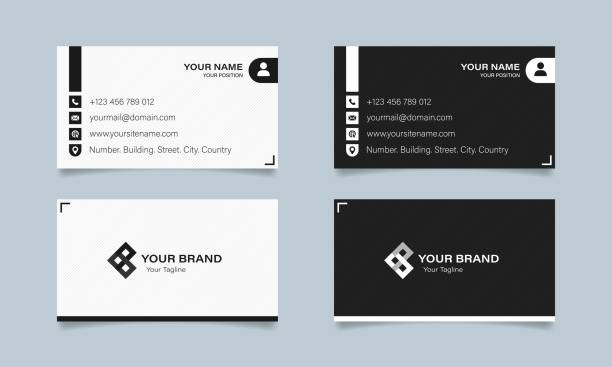
If you've ever gotten three quotes for business cards and found that they ranged from twelve dollars to twelve hundred dollars, you're not alone. The gap is real, and it's confusing. Some of it comes down to print quality. Some of it comes down to design effort. And honestly, a chunk of it comes down to things buyers don't even think to ask about until they've already placed an order. Before you spend a cent, it helps to understand what's actually baked into each price tier. Good Business Card Design Services don't have to cost a fortune, but knowing where the money goes makes it a lot easier to figure out what's worth paying for and what you can safely skip.
The Three Main Pricing Tiers for Design
DIY template tools are the cheapest route. Most run between zero and thirty dollars for a finished design, sometimes with a small export fee on top. You pick a layout, swap in your details, and download. Fast. The trade-off is that you're working within someone else's structure, so if your brand has a specific look already, matching it can be awkward.
Freelance designers sit in the middle. Expect to pay anywhere from seventy-five dollars to around four hundred dollars depending on experience and how much back-and-forth the project needs. A solid freelancer will ask about your brand colors, fonts, and how the card fits into your broader materials. That conversation takes time, and time is what you're paying for.
Design agencies charge the most. Three hundred dollars on the low end, sometimes well past a thousand if the card is part of a full brand package. For a lot of small businesses and freelancers, agency pricing only makes sense if you're getting a suite of materials done at once, not just a card on its own.
How Design Complexity Changes the Number
A text-only layout with your name, phone number, and website is quick to produce. Most designers can turn that around in an hour or two. Simple doesn't mean bad, either. Some of the most memorable cards are stripped down to almost nothing.
Custom illustrated designs are a different story. If you want a hand-drawn portrait, a detailed map, or any kind of original artwork on the card, you're paying for illustration time on top of layout time. That can double or triple the design fee pretty easily. Logo design services often get bundled into these projects too, since a card that features a new or refined logo requires that work to happen first before layout even starts.
Brand-matched designs sit in between. You've got existing colors and fonts, and the designer's job is to apply them cleanly to the card format. This is usually faster than building something from scratch, but it still requires someone who knows what they're doing. Rushing this part tends to produce cards that look slightly off, and that's worse than keeping it simple.
Print Finishes and Materials That Push the Price Up
Standard cards on regular 14pt or 16pt cardstock are affordable. You can get five hundred of them for twenty to forty dollars through most online printers. That's the baseline.
Spot UV coating adds a glossy raised layer over selected parts of the card, usually your logo or name. It looks sharp in person. It also adds fifteen to thirty dollars or more to most orders, and not every printer offers it. Foil stamping costs even more, sometimes doubling the print cost for a short run. Worth it for certain industries. Probably overkill for a dog walker or a freelance copywriter.
Thick stock, rounded corners, and die-cut shapes all add to the unit cost, especially at low quantities. A square card on 32pt matte stock with rounded corners might run four times the price of a standard rectangle on regular stock. The history of the business card shows that cards have always been a status signal in some industries, and premium finishes still serve that purpose today. But know your industry before you commit to anything fancy.
Hidden Costs That Catch People Off Guard
Print-ready file fees are a common surprise. Some designers quote you for the design itself but charge extra to prepare files that meet a printer's bleed and resolution specs. Ask upfront. Always.
Revision limits bite people too. A freelancer might include two rounds of changes. After that, you're paying per revision, sometimes twenty-five to fifty dollars a round. If you're the type who needs to see five versions before you commit, factor that in from the start. Logo design services often have the same structure, so it's worth checking revision policies on any creative project before you sign off.
Font licensing is a smaller but real issue. If a designer uses a commercial font that you then need to send to a printer or use in other files, you might technically need a license for it. Most people never run into this, but it can come up. Rush turnaround charges are the other one. Standard production is usually five to ten business days. Need cards for a trade show on Thursday? That'll cost you, often twenty to forty percent more.
Low-quantity orders are expensive per unit. Ordering fifty cards might cost you thirty dollars while ordering five hundred costs forty. The math sounds weird but it's just how print pricing works. If you're testing a new design, ordering a small batch makes sense, just know you're paying a premium per card for that flexibility.
Deciding What Level of Investment Makes Sense
Think about how often the card actually gets used. If you hand out two or three cards a month at occasional networking events, a clean DIY template is probably enough. Nobody's scrutinizing your card that closely. Really.
Industry matters more than most people admit. Finance, law, luxury real estate, and creative fields tend to have higher expectations around printed materials. Showing up with a flimsy card in those spaces can actually work against you. BrandCrowd is one platform people use when they want a professional-looking result without hiring a full design team, and it sits comfortably in that middle ground between bare-bones DIY and expensive agency work.
If your card needs to match an existing brand identity, that changes the calculation. Business Card Design Services are worth the extra spend when consistency across your materials actually matters to the people you're meeting. A card that doesn't match your website or your email signature creates a small but noticeable disconnect. That disconnect adds up.
Frequently Asked Questions
What's a realistic budget for a freelance business card design?
Most freelancers charge between seventy-five and two hundred and fifty dollars for a straightforward business card layout. More complex work with custom illustration or multiple concept options will run higher. Get a clear scope in writing before you start so there are no surprises at the end.
Do I need to pay for logo design separately before getting a card designed?
Not always, but if you don't have a logo yet and you want one on the card, yes, that's a separate project. Some designers bundle both, which can save money. Others specialize in one or the other. Ask when you reach out, and don't assume it's included.
Why does ordering fewer cards cost more per unit?
Printing has a setup cost that gets spread across the whole run. A short run of fifty cards still requires the same press setup as five hundred, so the cost per card is much higher at low quantities. It's not a ripoff. It's just how offset and digital printing economics work.
Is it worth paying extra for premium finishes like foil or thick stock?
Depends on your field and how often you're handing the card out. For most people, good design on decent stock is enough. If you're in a high-end industry where first impressions carry real weight, a premium finish can pay for itself. But don't spend on finishes to compensate for a weak design underneath.
What should I ask a designer before hiring them for a business card project?
Ask how many concepts they'll show you, how many revision rounds are included, whether they'll provide print-ready files, and whether the fonts used are commercially licensed. Those four questions will head off most of the common frustrations people run into after the fact.
Getting clear on these details before you order means you'll spend your money where it counts, and you won't be caught off guard when the invoice shows up with line items you weren't expecting.

