


Residential Pool Projects: Choosing a Reliable Swimming Pool Builder
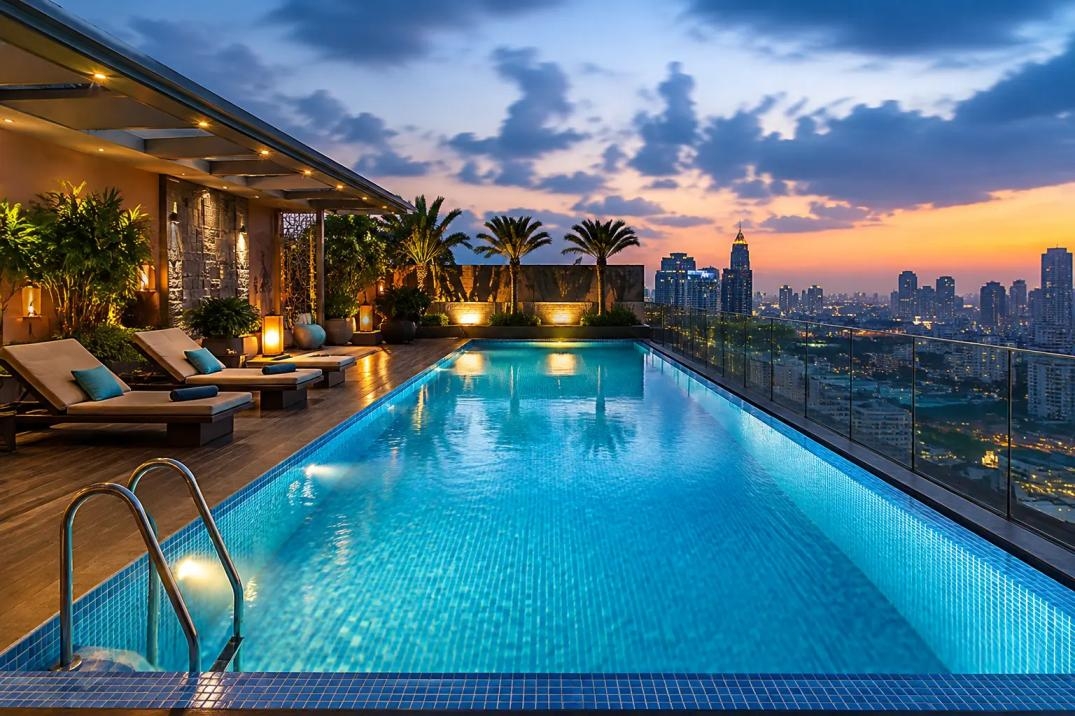
A residential swimming pool is a long-term investment, so choosing the right swimming pool builder is one of the most important decisions in the project. A reliable builder does more than construct the pool shell; they help plan the layout, select suitable equipment, coordinate installation, and create a system that is safe, efficient, and easier to maintain. Homeowners should evaluate experience, construction quality, equipment selection, project planning, and after-sales support before making a decision. Companies such as DS Water Technology can help homeowners approach pool projects with a practical focus on design, construction, and supporting pool systems.
What Makes a Swimming Pool Builder Reliable?
The quality of a residential pool depends heavily on the expertise of the contractor handling the project. A dependable swimming pool builder should understand both the visible design elements and the technical systems operating beneath the surface.
Before hiring a builder, consider:
-
Experience with residential swimming pool projects
-
Understanding of site conditions and drainage
-
Quality of construction materials
-
Proper hydraulic and filtration planning
-
Appropriate pool equipment selection
-
Skilled installation practices
-
Clear project timelines and cost estimates
-
Maintenance and after-sales assistance
A professional approach reduces the risk of problems such as poor water circulation, leaks, inefficient filtration, uneven surfaces, or difficult maintenance after construction.
Start With the Site, Not Just the Design
A beautiful pool design must also work with the property. Before construction begins, the builder should assess the available space, soil conditions, access for construction equipment, sunlight, drainage, and the relationship between the pool and surrounding areas.
Think About How the Pool Will Be Used
A family pool may require a different design from a pool intended mainly for exercise or entertaining guests. The intended use influences dimensions, depth, circulation requirements, steps, lighting, deck space, and safety features.
For example, families with young children may prioritize accessible entry points and controlled depths, while homeowners focused on fitness may prefer a longer swimming lane. Discussing these requirements early helps the swimming pool builder develop a design that matches the property's actual needs.
Pay Attention to the Pool's Circulation System
Clear, hygienic pool water depends on proper circulation. Water needs to move continuously through the filtration and treatment system before returning to the pool.
This is where equipment selection becomes especially important.
Choose Suitable Swimming Pool Filters
Swimming pool filters remove suspended particles and help maintain water clarity. The right filter depends on factors such as pool volume, circulation rate, usage, and maintenance requirements.
A builder should calculate the filtration requirements instead of simply selecting equipment based on the pool's appearance or budget. Correct sizing can support effective filtration while avoiding unnecessary energy consumption.
Select Efficient Swimming Pool Pumps
Swimming Pool Pumps are responsible for moving water through the circulation system. An undersized pump may struggle to provide adequate circulation, while an unnecessarily oversized pump can increase energy use and operating costs.
A professional builder should consider pool capacity, pipe layout, filtration requirements, and expected flow rate when recommending a pump. Good hydraulic planning is therefore just as important as choosing attractive tiles or coping.
Don't Overlook Swimming Pool Fittings
Small components can have a major impact on how a pool functions. Swimming Pool Fittings include elements used for water circulation, suction, return, connection, and other parts of the pool system.
Quality fittings should be compatible with the selected equipment and installed correctly. Poor-quality or incorrectly installed components can contribute to leakage, weak circulation, or premature maintenance issues.
When reviewing a builder's proposal, homeowners should ask which fittings are being specified and why. A transparent explanation demonstrates that equipment decisions are based on technical requirements rather than simply initial cost.
Consider Safety and Finishing Details
Residential pools should be designed with everyday safety and usability in mind. Steps, handrails where appropriate, pool depth transitions, surrounding surfaces, drainage, and access areas should be considered during planning rather than added as an afterthought.
Where Swimming Pool Gratings Matter
Swimming Pool Gratings are commonly used around drainage channels and overflow areas. They help manage excess water around the pool deck and can contribute to a cleaner, safer surrounding environment.
The gratings should be suitable for the application, properly aligned, and integrated with the drainage design. A reliable builder understands that effective water management around the pool is part of the overall construction—not merely a finishing detail.
Ask the Builder About the Complete Project Process
A professional residential pool project normally moves through several stages:
-
Site assessment – The property and installation conditions are evaluated.
-
Concept and design – Pool dimensions, shape, depth, finishes, and features are planned.
-
Technical planning – Filtration, pumping, circulation, drainage, and fittings are specified.
-
Construction – Excavation, structural work, waterproofing, finishing, and related installation are completed.
-
Equipment installation – Pumps, filters, circulation components, and other systems are installed and tested.
-
Commissioning – The complete system is checked before the pool is handed over.
-
Maintenance guidance – The homeowner receives practical information for ongoing care.
Asking about these stages before signing a contract can help prevent misunderstandings about what is included in the project.
Why Equipment Planning Should Happen Early
One common mistake in pool construction is treating equipment as an afterthought. The pump room, pipe routes, filtration system, drainage, electrical requirements, and access for maintenance should be considered during the design phase.
This integrated approach can make future servicing easier and help the pool operate more efficiently. It also allows the builder to coordinate structural and mechanical work rather than trying to accommodate technical requirements after construction has already progressed.
For homeowners comparing contractors, ask whether the proposed design includes a complete circulation and equipment plan. This simple question can reveal how seriously a swimming pool builder approaches the technical side of residential projects.
Choose Expertise Over the Lowest Initial Quote
Price matters, but the cheapest proposal is not automatically the best value. A lower quote may exclude equipment, finishing work, drainage, testing, or post-installation support.
Instead, compare builders based on the complete scope of work. Look for clarity about materials, equipment specifications, construction stages, timelines, warranties, and maintenance support.
DS Water Technology represents the type of project-focused approach homeowners can look for when evaluating pool professionals—one where design, water circulation, equipment, and practical usability are considered together.
Conclusion
Choosing a reliable swimming pool builder can make the difference between a pool that simply looks attractive and one that performs well for years. Homeowners should evaluate construction experience, site planning, circulation design, equipment sizing, drainage, fittings, and long-term support before committing to a project.
From swimming pool filters and Swimming Pool Pumps to Swimming Pool Fittings and Swimming Pool Gratings, every component has a role in creating a dependable residential pool system. By working with an experienced professional and planning technical requirements from the beginning, homeowners can build a pool that combines visual appeal, efficient operation, safety, and lasting value.

