


Which HVAC Equipment Is Best for Your Home Today?
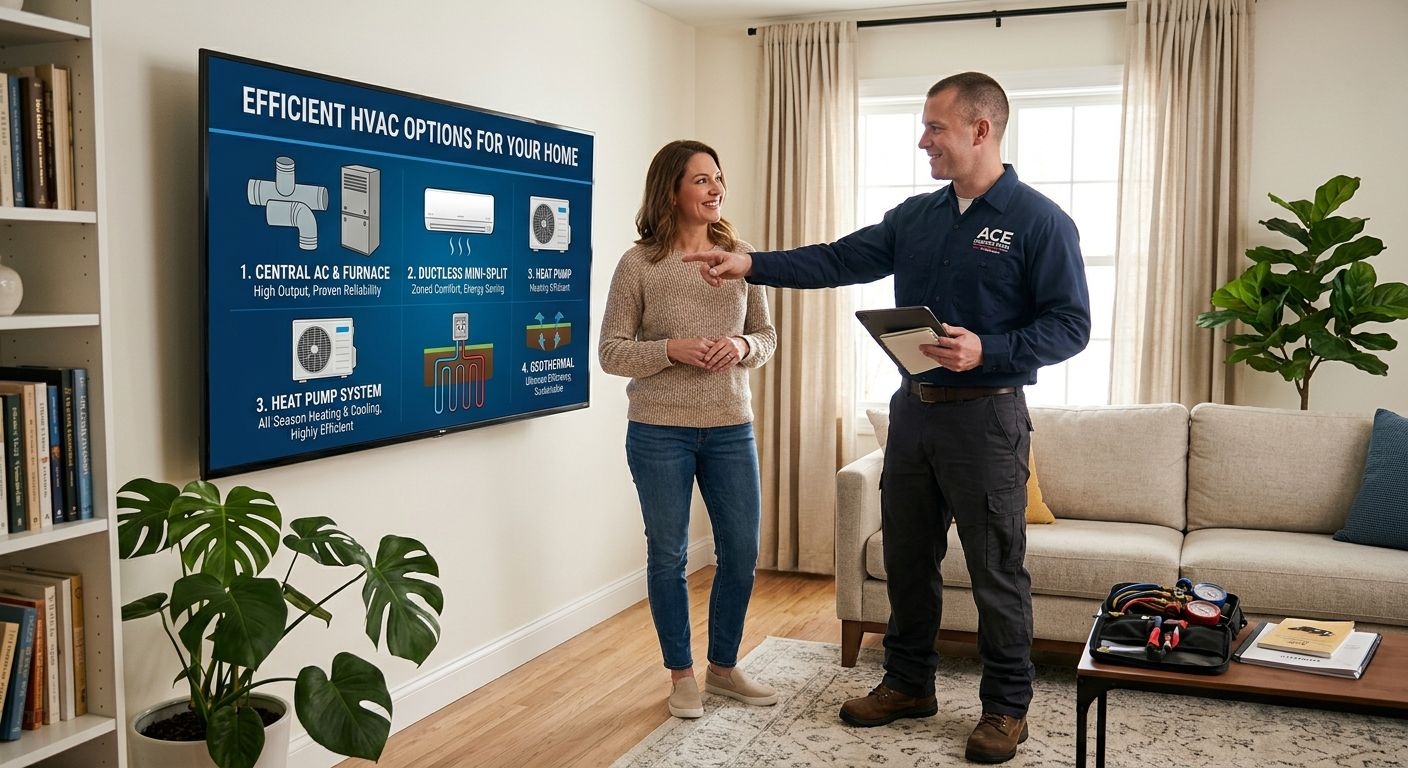
Choosing the right heating and cooling system can make a major difference in home comfort, energy use, and long-term costs. The right HVAC Equipment depends on the home's size, layout, climate, budget, and heating and cooling needs. With many options available today, homeowners can benefit from understanding how each system works before making a decision.
For homeowners comparing HVAC Equipment, the main choices often include central air conditioners, heat pumps, furnaces, ductless mini-splits, and packaged systems. Each option has different benefits, and no single system is perfect for every home. A careful comparison can help homeowners find equipment that provides reliable comfort without creating unnecessary energy costs.
What Is HVAC Equipment?
HVAC equipment includes the systems and components used to heat, cool, and move air throughout a home. HVAC stands for heating, ventilation, and air conditioning. These systems help maintain comfortable indoor temperatures throughout different seasons.
A typical residential HVAC system may include an air conditioner, furnace or heat pump, indoor air handler, thermostat, ductwork, filters, and other controls. The exact equipment depends on the home's design and the type of system installed.
Modern systems are designed to provide more consistent comfort while using energy efficiently. However, the equipment must be properly sized and installed to perform as expected.
Which HVAC Equipment Options Are Available for Homes?
Homeowners can choose from several types of HVAC systems. The best choice depends on the home's heating and cooling requirements, available space, existing ductwork, and local weather.
Central Air Conditioners
Central air conditioners are one of the most common cooling systems for homes with existing ductwork. They use an outdoor condenser and an indoor component to remove heat from the home and distribute cool air through the ducts.
Central AC can be a good choice for homeowners who already have a forced-air heating system and mainly need reliable cooling. It can cool multiple rooms at the same time and provide consistent temperatures when properly sized.
However, a central air conditioner does not provide heating by itself. Homes in colder areas may need a furnace or another heating system.
Heat Pumps
Heat pumps have become an increasingly popular option because they can provide both heating and cooling. During summer, a heat pump removes heat from the home. During winter, it reverses the process and moves available heat indoors.
This makes a heat pump different from a traditional air conditioner. Instead of requiring separate equipment for heating and cooling, one system can perform both functions.
Heat pumps can be especially useful for homeowners looking for efficient year-round comfort. They are available in ducted and ductless designs, making them suitable for different types of homes.
Gas and Electric Furnaces
Furnaces are designed primarily for heating. Gas furnaces use fuel to generate heat, while electric furnaces use electrical heating elements.
A furnace can be a practical option for homes that experience cold winters and already have ductwork. It can also be combined with a central air conditioner to create a complete heating and cooling system.
When replacing an older furnace, homeowners may consider a newer high-efficiency model. Proper sizing and professional installation are important for achieving good performance.
Ductless Mini-Split Systems
Ductless mini-splits are useful for homes or rooms where traditional ductwork is unavailable or difficult to install. These systems typically include an outdoor unit connected to one or more indoor units.
Mini-splits can provide heating and cooling for individual rooms or separate zones. This makes them useful for additions, garages, converted spaces, older homes, or areas where extending ductwork would be expensive.
They can also provide greater control because different rooms can have their own temperature settings.
Packaged HVAC Systems
Packaged systems place several major HVAC components into one outdoor cabinet. They are often installed where indoor space for separate equipment is limited.
These systems can provide both heating and cooling while keeping the major components together. They may be suitable for certain home layouts, but the home's design and local conditions should be considered before selecting one.
Is a Heat Pump Better Than a Traditional HVAC System?
A heat pump can be an excellent choice for many homes because it provides both heating and cooling. It can reduce the need for separate heating and cooling equipment and may use less energy than some traditional heating methods.
However, the best choice depends on the home and its location. Homes in areas with very cold winters may require a cold-climate heat pump or a backup heating option. Homes with an existing newer furnace may also benefit from a dual-fuel setup.
The goal should not be to choose the newest technology simply because it is newer. The equipment should match the home's actual heating and cooling needs.
How Does Home Size Affect HVAC Equipment Selection?
Home size is one of the most important factors when selecting HVAC equipment. A system that is too small may struggle to maintain the desired temperature. A system that is too large may cycle on and off too frequently.
Neither situation is ideal.
An oversized air conditioner, for example, may cool a room quickly but fail to run long enough to remove the right amount of humidity. An undersized system may run for long periods without reaching the desired temperature.
Professional load calculations can help determine the correct equipment size. The home's insulation, windows, orientation, square footage, ductwork, and local climate can all affect the required capacity.
Why Is Proper HVAC Sizing So Important?
Proper sizing is just as important as selecting a quality brand. Even highly efficient equipment may perform poorly if it is incorrectly sized.
A professional HVAC contractor can evaluate the home before recommending equipment. This assessment may include the home's structure, existing ductwork, insulation, windows, and current heating and cooling performance.
Proper sizing can help the system:
- Maintain more consistent indoor temperatures
- Operate more efficiently
- Reduce unnecessary cycling
- Improve humidity control
- Reduce stress on major components
- Provide better long-term comfort
The AC Outlet can help homeowners evaluate their current system and determine which type of equipment may fit their home's needs.
What HVAC Equipment Is Most Energy Efficient?
Energy efficiency depends on the type of equipment, its efficiency rating, the home's design, and how the system is operated.
Heat pumps can be highly efficient because they move heat instead of creating it directly. High-efficiency air conditioners can also reduce electricity use compared with older systems. Modern furnaces can provide improved heating efficiency compared with older models.
However, efficiency ratings should not be the only factor considered.
A highly efficient system that is incorrectly sized or poorly installed may not deliver the expected results. Homeowners should consider equipment efficiency together with proper sizing, installation quality, maintenance, and ductwork performance.
Should Homeowners Choose Ducted or Ductless HVAC Equipment?
The choice between ducted and ductless equipment usually depends on the home's layout.
Ducted systems can be a good option when a home already has functional ductwork. They can distribute conditioned air throughout multiple rooms and work well for whole-home heating and cooling.
Ductless systems may be better when a home has no ductwork or when only certain areas need heating and cooling. They can also be useful for additions and rooms that have different comfort requirements.
For homes with existing ducts, replacing the equipment while keeping the ductwork may be practical. For homes without ducts, installing a ductless system may avoid the cost and disruption of adding an entire duct network.
What Should Homeowners Consider Before Buying HVAC Equipment?
Buying HVAC equipment is a long-term decision. Homeowners should consider more than the initial purchase price.
Home Comfort Needs
The equipment should be capable of keeping the entire home comfortable. Rooms with different temperature needs may benefit from zoning or ductless systems.
Energy Efficiency
Efficient equipment can help reduce energy consumption over time. Homeowners should compare efficiency ratings and consider expected operating conditions.
Installation Requirements
Some systems require existing ductwork, while others do not. Electrical capacity, available indoor space, and outdoor installation space may also affect the decision.
Maintenance Requirements
Every HVAC system needs regular maintenance. Filters should be replaced or cleaned as recommended, and professional inspections can help identify problems before they become major repairs.
Long-Term Value
The cheapest equipment is not always the best value. A system with better efficiency, dependable performance, and suitable features may provide greater value over its service life.
When Should HVAC Equipment Be Replaced?
Older equipment does not always need immediate replacement. However, several warning signs may indicate that replacement should be considered.
Frequent repairs are one common warning sign. If an HVAC system repeatedly breaks down, repair costs can begin to add up.
Rising energy bills can also indicate declining efficiency, especially when household usage has not changed significantly.
Uneven temperatures, strange noises, weak airflow, frequent cycling, and poor cooling or heating can also indicate that the equipment is reaching the end of its useful life.
Age is another factor. Older systems may lack the efficiency and features found in newer equipment. When an aging system also requires expensive repairs, replacement may make more financial sense than continued repairs.
Can New HVAC Equipment Improve Home Comfort?
New HVAC equipment can improve comfort when the existing system is old, incorrectly sized, or no longer performing properly.
Modern systems can offer better temperature control, improved airflow, quieter operation, and more efficient performance. Variable-speed equipment can also adjust its output based on the home's changing needs instead of operating at full capacity all the time.
However, equipment is only one part of the comfort equation. Poor insulation, leaking ducts, blocked vents, and air leaks can also cause comfort problems.
That is why a complete evaluation is often more useful than simply replacing the equipment.
How Can Homeowners Get the Right HVAC Equipment?
The first step is to understand the home's current heating and cooling problems. Homeowners should identify rooms that are too hot or too cold, unusual energy costs, frequent repairs, and other system issues.
Next, the home's existing equipment and ductwork should be inspected. This can help determine whether the current setup should be repaired, upgraded, or replaced.
The equipment should then be sized according to the home's actual heating and cooling requirements. Homeowners should also compare efficiency, installation requirements, maintenance needs, and long-term operating costs.
Professional installation is another important part of the process. Even high-quality equipment can have poor performance when it is installed incorrectly.
The AC Outlet can help homeowners review their heating and cooling needs and explore equipment options that fit their homes.
Which HVAC Equipment Is Best for Different Homes?
There is no universal answer because every home has different requirements.
A home with existing ductwork may benefit from a central air conditioner and furnace combination or a ducted heat pump.
A home without ductwork may benefit from ductless mini-splits.
A homeowner looking for one system that provides both heating and cooling may consider a heat pump.
A home in a colder climate may require a furnace, cold-climate heat pump, or dual-fuel system depending on its heating requirements.
The best equipment is the system that provides the right capacity, efficiency, comfort, and reliability for the specific home.
Conclusion: Which HVAC Equipment Is Best for a Home?
The best HVAC equipment depends on the home's size, climate, existing ductwork, comfort requirements, budget, and long-term energy goals. Central air conditioners, furnaces, heat pumps, mini-splits, and packaged systems can all be useful when matched correctly to a home.
A heat pump can provide efficient heating and cooling in one system, while a furnace and central AC combination can offer dependable year-round comfort. Ductless mini-splits can provide flexible solutions for homes without traditional ductwork.
The AC Outlet can help homeowners evaluate their current systems and choose equipment based on actual home requirements rather than simply selecting the most expensive or newest option. With proper sizing, professional installation, and regular maintenance, the right HVAC equipment can provide reliable comfort and efficient performance for years to come.
Here, you can find more articles.

