


Bathroom Remodeling: Important Decisions to Make Before Construction
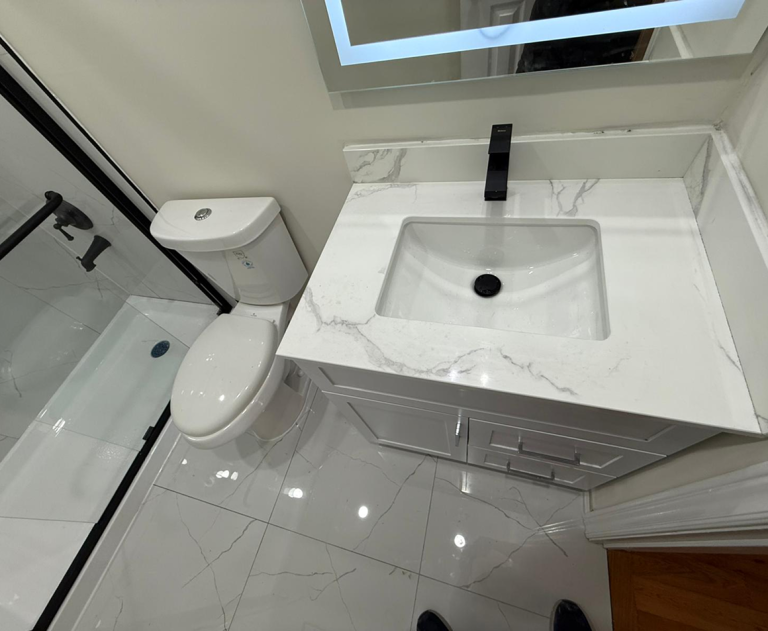
A bathroom renovation can improve comfort, appearance, storage, and everyday functionality. However, the best results usually come from decisions made before construction begins. Choosing fixtures and colors is only part of the process. Homeowners also need to think about the layout, budget, plumbing, ventilation, lighting, materials, storage, and the long term needs of the household.
Taking time to plan these details can make the renovation easier to manage and help reduce avoidable changes during construction. Whether you are updating a small bathroom or preparing for a larger project, having a clear plan gives you a stronger starting point.
Define Your Bathroom Remodeling Goals
The first decision should be understanding why you want to remodel the bathroom. Some homeowners want a more modern appearance, while others need better storage, improved lighting, more comfortable fixtures, or a layout that works better for the family.
Walk through your existing bathroom and identify what you like and what causes problems. Think about the things you deal with every day rather than focusing only on how the room looks.
If the bathroom is part of a Full House Renovation, consider how the new design will fit with improvements planned for the rest of the property. A consistent approach can help the home feel more connected without making every room identical.
Separate Essential Work From Cosmetic Changes
Not every improvement needs the same level of attention. Structural, plumbing, electrical, waterproofing, and ventilation concerns should be addressed before decorative choices.
Create a simple priority list that separates:
- Essential work, including repairs, plumbing, electrical requirements, waterproofing, ventilation, and layout concerns.
- Design upgrades, including finishes, fixtures, colors, mirrors, hardware, and decorative features.
This makes it easier to understand where your budget should go and which changes can be postponed if necessary.
Establish a Realistic Budget
A bathroom renovation involves more than the price of a vanity or a set of tiles. Your budget may include labor, materials, plumbing, electrical work, fixtures, preparation, disposal, permits where applicable, and other project costs.
It is wise to discuss the expected scope with a qualified renovation professional before committing to specific products. This can help you understand which choices fit within your available budget.
During a Bathroom Renovation And Remodel, unexpected conditions can sometimes appear after walls or floors are opened. Setting aside some additional funds can provide flexibility if existing plumbing, subflooring, or other hidden areas require attention.
Decide Whether the Layout Should Change
The existing bathroom layout may be perfectly functional, or it may be one of the main reasons you want to renovate.
Consider the location of the toilet, sink, shower, bathtub, storage, and door. Think about how people move through the room and whether the current arrangement creates unnecessary crowding.
Think About Plumbing Locations
Moving plumbing can sometimes create a better layout, but it may also increase the scope and cost of the project. If your existing fixture locations work reasonably well, keeping them in place may allow more of the budget to be used for other improvements.
If the layout does need to change, discuss the options with a qualified professional before construction begins. This can help you understand what is practical for the property.
Choose the Right Fixtures
Bathroom fixtures should be selected according to the room's size, household needs, and daily use.
A large vanity may look attractive in a showroom but could make a small bathroom difficult to move around. Similarly, a bathtub may not be the best use of space if the household primarily uses showers.
Think about comfort and practicality before appearance. The right fixtures should fit the room without creating unnecessary obstacles.
Plan Storage Before Construction
Storage is one of the easiest things to overlook during bathroom planning. Once the renovation is complete, homeowners may discover that there is not enough room for towels, toiletries, cleaning supplies, and everyday products.
Decide where these items will go before finalizing the design. Consider vanity drawers, cabinets, mirrored storage, wall shelves, or recessed niches where appropriate.
During a Bathroom Renovation And Remodel, built in storage can sometimes be incorporated into the design more effectively than adding freestanding furniture later.
Keep Frequently Used Items Accessible
Not everything needs to be hidden. Items used every day should be easy to reach, while less frequently used products can be placed in cabinets or higher storage areas.
A practical storage plan can also help keep countertops clear, making the bathroom feel more organized.
Think About Lighting
Lighting should be planned before construction because fixture locations and electrical requirements may need to be determined early.
The bathroom usually needs enough general light for safe movement, along with focused lighting around areas such as the vanity. If possible, take advantage of natural light while maintaining privacy.
Consider Different Times of Day
A bathroom used early in the morning may need bright, useful lighting, while evening use may benefit from a softer atmosphere.
Think about how lighting affects both function and comfort. A well planned lighting arrangement can make mirrors easier to use and help the room feel more welcoming.
Choose Materials Carefully
Bathroom surfaces are exposed to water, humidity, cleaning products, and regular use. Materials should therefore be chosen for both appearance and suitability.
Flooring should be appropriate for a room where water may be present. Wall surfaces and cabinets should also be suitable for bathroom conditions.
Instead of selecting materials only because they are fashionable, consider their durability, cleaning requirements, maintenance needs, and expected lifespan.
If you are planning a Full House Renovation, choosing complementary materials throughout the property can create a consistent look while still allowing each bathroom to have its own character.
Do Not Overlook Waterproofing
Waterproofing is one of the most important parts of bathroom construction, even though much of it is hidden behind finished surfaces.
Areas around showers, bathtubs, and other wet zones need suitable preparation and installation. If waterproofing is not handled correctly, moisture can cause damage that may not become obvious until later.
For this reason, waterproofing should be treated as an essential part of the project rather than an area where homeowners try to reduce costs.
Plan Ventilation and Moisture Control
Bathrooms naturally produce moisture through showers and baths. Without suitable ventilation, humid air can remain in the room and contribute to condensation and moisture related problems.
An appropriately sized exhaust fan can help remove humid air. If your current bathroom has frequent condensation, damp smells, or surfaces that remain wet for long periods, discuss the issue with a qualified professional before construction begins.
Good ventilation should be considered during the planning stage rather than added as an afterthought.
Consider Accessibility and Future Needs
A bathroom should work for your household today, but it can also be helpful to think about future needs.
Features such as easier shower access, suitable clearances, good lighting, reachable storage, and comfortable fixture placement can make the room easier to use over time.
If you expect to remain in the home for many years, discuss practical options with your renovation professional. Planning ahead may be easier than making major changes later.
Decide on Your Design Style
Once the practical decisions are established, you can focus on appearance.
Choose a style that suits the home and your personal preferences. Neutral colors can provide a flexible foundation, while carefully selected tiles, mirrors, hardware, and accessories can add character.
You do not need to follow every current trend. A simple design with quality materials can remain attractive for many years.
Prepare for Construction
Before work starts, confirm the project scope, materials, schedule, responsibilities, and expected process with your renovation professional.
Make sure major fixtures and materials have been selected early enough to avoid unnecessary delays. If the bathroom is the only one in the home, plan for how your household will manage while it is unavailable.
For a Full House Renovation, coordination becomes even more important because multiple areas may be under construction at the same time.
Ask the Right Questions Before Work Begins
Clear communication can prevent misunderstandings. Before construction begins, make sure you understand what is included in the project and which decisions still need to be made.
Ask about the expected timeline, materials, plumbing and electrical work, ventilation, waterproofing, cleanup, and any permits that may apply to the project.
During a Bathroom Renovation And Remodel, it is also useful to understand how changes made after construction begins could affect the budget or schedule.
Final Thoughts
The most important bathroom remodeling decisions happen before construction begins. A clear goal, realistic budget, practical layout, suitable fixtures, adequate storage, good lighting, proper ventilation, and appropriate materials can all contribute to a successful result.
Whether you are making targeted improvements or planning a complete Bathroom Renovation And Remodel, thoughtful preparation can help you avoid unnecessary problems and create a space that fits your household.
For homeowners planning a bathroom upgrade or a larger Full House Renovation, Quick & Perfect Renovation can provide renovation support focused on practical planning, comfortable design, and improvements suited to the needs of your home.

