


Accident Claims Explained: What Happens After a Car Accident?
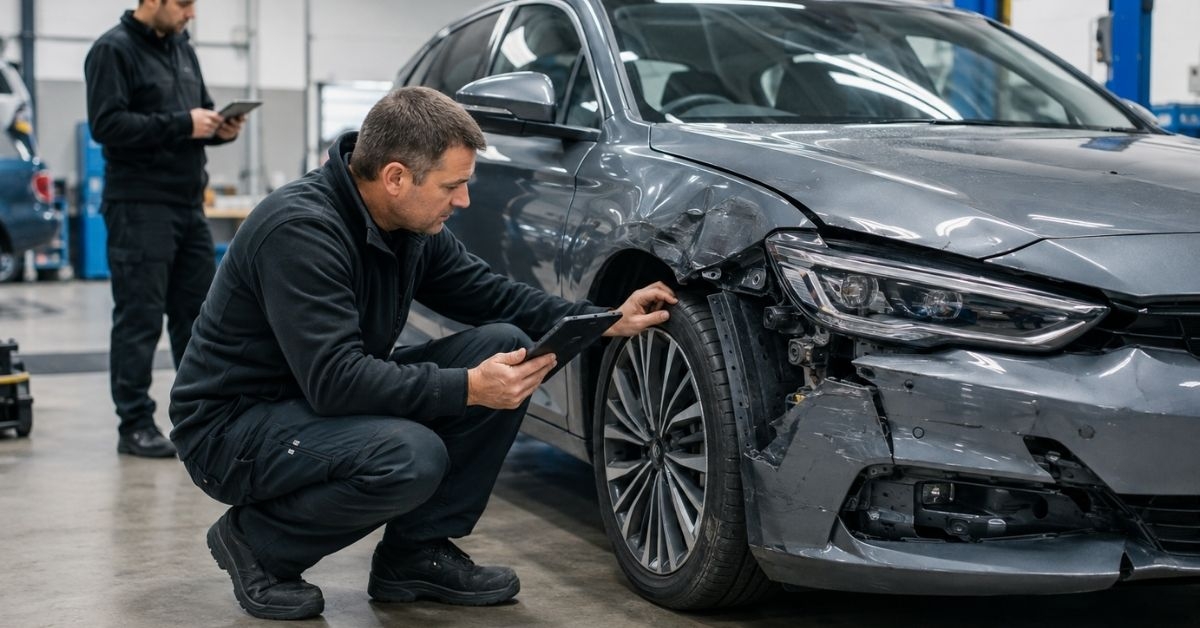
A car accident can leave you dealing with far more than vehicle damage. Once everyone is safe, there may be evidence to collect, insurers to contact, recovery to arrange, damage to assess and repairs to organise.
If the vehicle cannot be driven, you may also need alternative transport while the work is carried out. Understanding what happens next can make the process easier to manage.
For motorists dealing with a non-fault accident, a reputable accident claims company may also help coordinate different parts of the process and keep communication moving between the relevant parties.
What Is Accident Claims Management?
Accident claims management is the process of coordinating the practical and administrative work that follows a road traffic accident.
Rather than leaving the motorist to deal separately with recovery operators, repairers, vehicle assessors, insurers and other parties, an accident management provider may coordinate these stages on their behalf.
The exact service depends on the provider and the circumstances of the accident. It can include vehicle recovery, damage assessment, repair arrangements, replacement vehicle support and claims communication.
The aim is not simply to process an insurance claim. It is to help organise what needs to happen to the vehicle and keep the different stages moving.
What Happens After a Non-Fault Accident?
Every accident is different, but a typical motor accident claims process may involve several stages.
1. Report the Accident
The first priority is safety. Once everyone is safe, the accident should be reported through the appropriate channels.
Record useful information while it is available, including the other driver's name and contact details, registration number, vehicle details and insurance information. Note the location, time and circumstances of the collision as well.
2. Gather Evidence
Good evidence can help establish what happened and support the claim.
Take photographs of the vehicles, road layout, signs, damage and surrounding area where it is safe to do so. Dashcam footage can also be valuable. If there were witnesses, obtain their contact details where possible.
Avoid guessing about the extent of damage or making statements about liability that you cannot establish yourself.
3. Arrange Recovery if Necessary
A damaged vehicle should not automatically be driven away from the scene.
Problems with steering, brakes, wheels, suspension, fluid leaks or structural damage can make a car unsafe even when it appears driveable. Recovery may therefore be necessary, particularly after a significant collision.
4. Assess the Damage
The vehicle needs a proper damage assessment before repairs can be planned.
An initial inspection may identify obvious bodywork damage, but further examination can reveal problems that are not visible from outside. The assessment helps determine which components need repairing or replacing and whether additional inspections are required.
5. Arrange Repairs
Once the damage has been assessed, suitable repairs can be organised.
Depending on the collision, this could involve bodywork, paintwork, mechanical repairs, replacement parts or work on electronic systems. Modern vehicles may also require calibration of cameras, sensors or other safety-related systems after repairs.
6. Arrange Alternative Transport
Being without a vehicle can create practical problems, particularly for commuting, childcare or other essential journeys.
Depending on the circumstances, insurance arrangements and eligibility, a replacement vehicle may be available while the damaged car is being repaired. The type of vehicle and duration of provision can vary, so the terms should be understood before relying on this option.
Why Modern Cars Need Detailed Damage Assessments
Modern vehicles are packed with technology that can be affected by a collision without showing obvious external damage.
Parking sensors, cameras, radar systems, electronic control units and other advanced driver assistance systems (ADAS) may sit behind or around areas such as bumpers and grilles. A relatively minor-looking impact can therefore require more investigation than a visual inspection suggests.
This is one reason accident damage assessment should go beyond simply looking for dents and scratches. Where safety systems or sensors may have been affected, appropriate diagnostic checks and calibration can be an important part of returning the vehicle to proper working condition.
How an Accident Claims Company Can Help
A suitable accident management company may act as a central point of contact during the post-accident process.
Depending on the service offered, it may help arrange vehicle recovery, organise a damage assessment, coordinate repairs and assist with replacement transport. It may also communicate with insurers, repairers, engineers and other relevant parties.
This can reduce the amount of time a motorist spends chasing updates or explaining the same circumstances to different organisations.
However, motorists should understand exactly what a provider does before agreeing to its services. Different companies operate under different arrangements, and the availability of services such as replacement vehicles or recovery of certain losses can depend on the circumstances and applicable agreements.
How Technology Is Changing Motor Claims
Technology has made several parts of the claims process quicker and easier to manage.
Digital photographs can be shared without waiting for physical documents, while electronic records make it easier for relevant parties to access information. Some vehicle assessments and repair updates can also be managed digitally, reducing unnecessary delays.
Dashcams have become another useful source of evidence for many motorists.
Even so, technology cannot resolve every claim. Where liability is disputed, damage is complex or several parties are involved, clear human communication and professional judgement remain important.
What to Look for When Choosing an Accident Claims Company
If you are considering an accident claims provider, look beyond promises of speed or convenience.
Clear communication: You should know who to contact and how progress will be communicated.
Recovery support: Find out whether recovery can be arranged if your vehicle is unsafe to drive.
Repair coordination: Check how damage assessment, repair estimates and repair work are handled.
Replacement vehicle support: Ask what transport options may be available and under what conditions.
Transparent terms: Make sure you understand the service, responsibilities, financial arrangements and any potential obligations before proceeding.
A reputable provider should be willing to explain the process clearly rather than relying on vague assurances.
Why Some Accident Claims Take Longer Than Expected
Not every claim can be resolved quickly. Delays may result from parts availability, hidden or complex damage, additional inspections, specialist repairs or difficulties establishing what happened.
Claims involving multiple vehicles or disagreements between parties can also require more communication and evidence.
A longer timescale does not necessarily mean something has gone wrong. In some cases, thorough assessment and proper repairs simply take time.
Conclusion
A car accident does not end when the vehicles are moved from the road. Recovery, evidence gathering, damage assessment, repairs, replacement transport and claims communication can all form part of the process.
Knowing what to expect helps motorists make sensible decisions at each stage. Whether you manage the claim yourself or use an accident management provider, the priority should remain the same: establish what happened, ensure the vehicle is safe, and make sure the repair and claims process is handled properly.

