


Ayurvedic Herbal Products: A Smarter Way to Choose Wellness
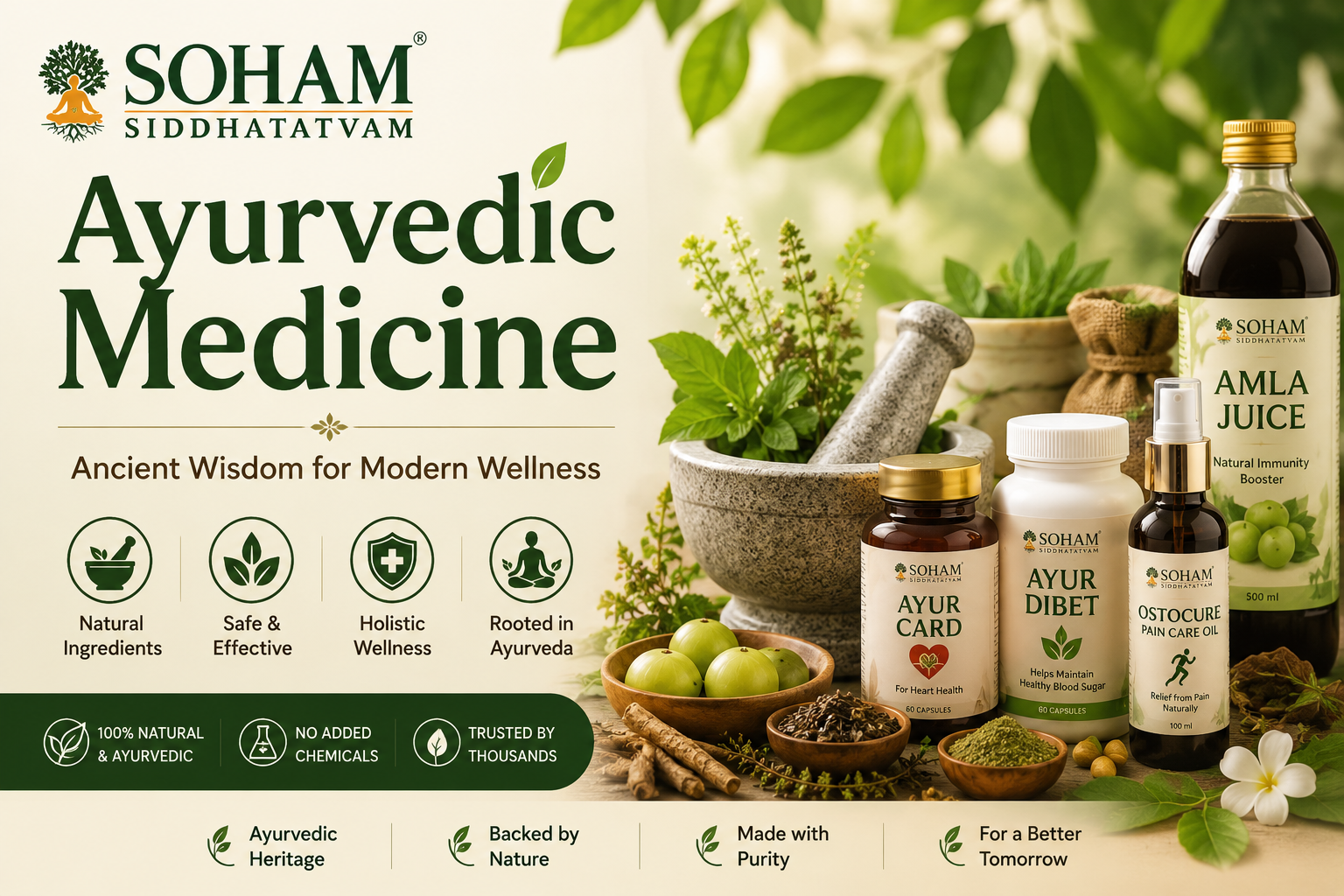
Ayurvedic Herbal Products: A Smarter Way to Choose Wellness
Modern life often makes wellness feel complicated. Busy schedules, irregular meals, screen-heavy days, stress and limited time for self-care can make it difficult to maintain healthy routines consistently.
That is where Ayurvedic herbal products can fit naturally into a balanced lifestyle. Rooted in India's traditional system of Ayurveda, these products use herbs and plant-based ingredients that have been traditionally used to support different aspects of wellbeing.
But choosing an Ayurvedic product should not simply be about picking something labelled "natural." Understanding the principles behind Ayurveda, checking product quality and building healthy daily habits can help you make more informed choices.
What Are Ayurvedic Herbal Products?
Ayurvedic herbal products are preparations made using herbs and other traditionally used natural ingredients according to Ayurvedic principles. Depending on their intended use and formulation, they may come as juices, capsules, oils, powders, pastes or herbal malts.
Ayurveda takes a holistic view of wellbeing. Rather than looking at one isolated aspect of health, traditional Ayurvedic practice considers factors such as diet, daily routine, activity, digestion, sleep and individual constitution.
This makes Ayurvedic wellness particularly relevant to people looking for sustainable habits rather than quick fixes.
At the same time, "herbal" does not automatically mean that a product is suitable for everyone. Ingredients, dosage, quality, possible interactions and individual circumstances matter.
How Can Ayurvedic Herbal Products Support Everyday Wellness?
The traditional use of herbs varies considerably. Some are traditionally associated with digestion, while others are used in hair and skin care or to support general vitality.
For everyday wellness, Ayurvedic products are often considered alongside habits such as nutritious eating, adequate sleep, movement and stress management.
Depending on the formulation, Ayurvedic herbal products may be incorporated into routines related to:
- Daily wellness and nourishment
- Hair and scalp care
- Skin care
- General digestive wellbeing
- Joint and muscle comfort
- Heart-conscious lifestyle support
- Blood-sugar-conscious wellness routines
The important point is to choose a product based on a specific wellness goal instead of expecting one herbal formulation to address every concern.
What Ayurvedic Principles Guide Herbal Wellness?
One of Ayurveda's foundational ideas is that wellbeing depends on maintaining balance within the body and mind. Traditional Ayurvedic thought describes three doshas—Vata, Pitta and Kapha—which represent different functional patterns.
Ayurvedic practitioners traditionally consider an individual's constitution, lifestyle, digestion, environment and current imbalance when recommending herbs or formulations.
Which herbs are traditionally used in Ayurveda?
Ayurveda has a long history of using botanicals such as:
- Amla (Indian gooseberry): Traditionally valued as a nourishing fruit and a source of naturally occurring nutrients.
- Ashwagandha: Traditionally used in Ayurvedic practice for vitality and resilience.
- Tulsi: Traditionally valued for its role in everyday wellness and respiratory-supportive preparations.
- Turmeric: Traditionally used in food and Ayurvedic preparations and widely recognised for its plant compounds.
- Brahmi: Traditionally associated with mental wellbeing and cognitive-supportive Ayurvedic preparations.
- Neem: Traditionally used in various skin and personal-care preparations.
However, an herb's traditional use should not be confused with a guarantee of a particular health outcome. The quality of the raw material, preparation method and amount used can all influence a product.
How Do You Choose the Right Ayurvedic Herbal Products?
With so many herbal products available today, it is easy to become overwhelmed. A few simple checks can make your selection more thoughtful.
1. Start with your wellness goal
First ask yourself what you actually want to support.
Are you looking for everyday nourishment, hair care, skin care or a product that complements a particular lifestyle goal? A clearly defined purpose makes it easier to compare formulations.
2. Read the ingredient list
Look beyond attractive packaging and marketing claims. Check which herbs are included and whether the label clearly states the quantity, recommended usage and other relevant information.
If you have allergies or dietary restrictions, pay particular attention to the complete ingredient list.
3. Look for quality and manufacturing standards
For herbal products, sourcing and manufacturing quality matter. Certifications and manufacturing standards can provide useful information about how a product is produced.
4. Consider the form that suits your routine
Consistency is easier when a product fits naturally into your day.
For example, some people may prefer a juice or malt, while others may find capsules or topical oils easier to incorporate into their routine.
5. Be realistic about results
Ayurvedic wellness is generally associated with consistency and a holistic approach rather than instant results.
Avoid products that promise guaranteed outcomes or suggest that a single herb can replace professional medical care. If you are managing a health condition or taking medication, speak with a qualified healthcare professional before adding herbal supplements to your routine.
Ayurvedic Herbal Products vs. Modern Wellness: Do You Have to Choose?
Not necessarily.
Traditional Ayurvedic practices and modern health knowledge can coexist when each is used appropriately. Ayurveda can offer useful perspectives on daily routines, food choices, herbs and self-care, while modern healthcare remains important for diagnosis, monitoring and treatment of medical conditions.
A sensible approach is to view herbal products as part of a broader wellness routine—not as a replacement for prescribed treatment.
This is especially important for people managing long-term conditions, those who are pregnant or breastfeeding, and anyone taking regular medication.
What Lifestyle Habits Complement Ayurvedic Wellness?
An herbal product cannot compensate for an unhealthy routine. Some of the most valuable wellness practices are also the simplest.
Eat a varied, balanced diet
Build meals around vegetables, fruits, whole grains or other fibre-rich foods, pulses, nuts, seeds and appropriate protein sources. Limit excessive consumption of highly processed foods and added sugars.
Traditional Ayurvedic food practices may emphasise eating according to digestion and routine, but your overall nutritional needs should remain the priority.
Stay physically active
Regular movement supports general fitness and can be adapted to your age and ability. Walking, yoga, strength training, cycling and other enjoyable activities can all have a place in a balanced lifestyle.
Protect your sleep
A consistent sleep schedule can make a significant difference to how you feel throughout the day. Aim for a regular bedtime and reduce unnecessary screen exposure close to bedtime.
Manage everyday stress
Breathing exercises, meditation, yoga, time outdoors, hobbies and meaningful social connections can all help create space for relaxation.
Stay hydrated
Water should remain the foundation of everyday hydration. Your needs can vary according to climate, activity level, diet and other individual factors.
Build routines you can maintain
The best wellness routine is one that works with your real life. Rather than changing everything at once, choose one or two practical habits and gradually make them part of your day.
Where Can Ayurvedic Herbal Products Fit Into Your Routine?
A thoughtfully selected product can become one small part of a larger wellness plan.
For example, someone interested in daily Ayurvedic nourishment may explore traditional preparations such as amla-based products, while someone focused on personal care may prefer herbal oils or skin-care formulations.
Are Ayurvedic Herbal Products Safe for Everyone?
"Natural" is not the same as "risk-free."
Herbs contain biologically active compounds, and some may interact with medicines or be unsuitable for certain people. Product quality and appropriate usage also matter.
Before using a concentrated herbal supplement, consider speaking with a qualified healthcare professional if you:
- Take prescription or regular medication
- Are pregnant or breastfeeding
- Have an existing medical condition
- Have known allergies
- Are considering herbal products for a child or older adult
- Are planning to replace an existing treatment
Always follow the product label and recommended serving or usage instructions.
Why Quality Matters When Buying Herbal Products
The growing popularity of herbal wellness means consumers have more choices than ever. It also makes it important to look beyond the word "herbal" on a package.
A trustworthy product should provide clear information about its ingredients, intended use, manufacturer and directions. Transparent manufacturing practices can give consumers greater confidence when comparing products.

