


Ayurvedic Supplements: A Simple Guide to Daily Wellness
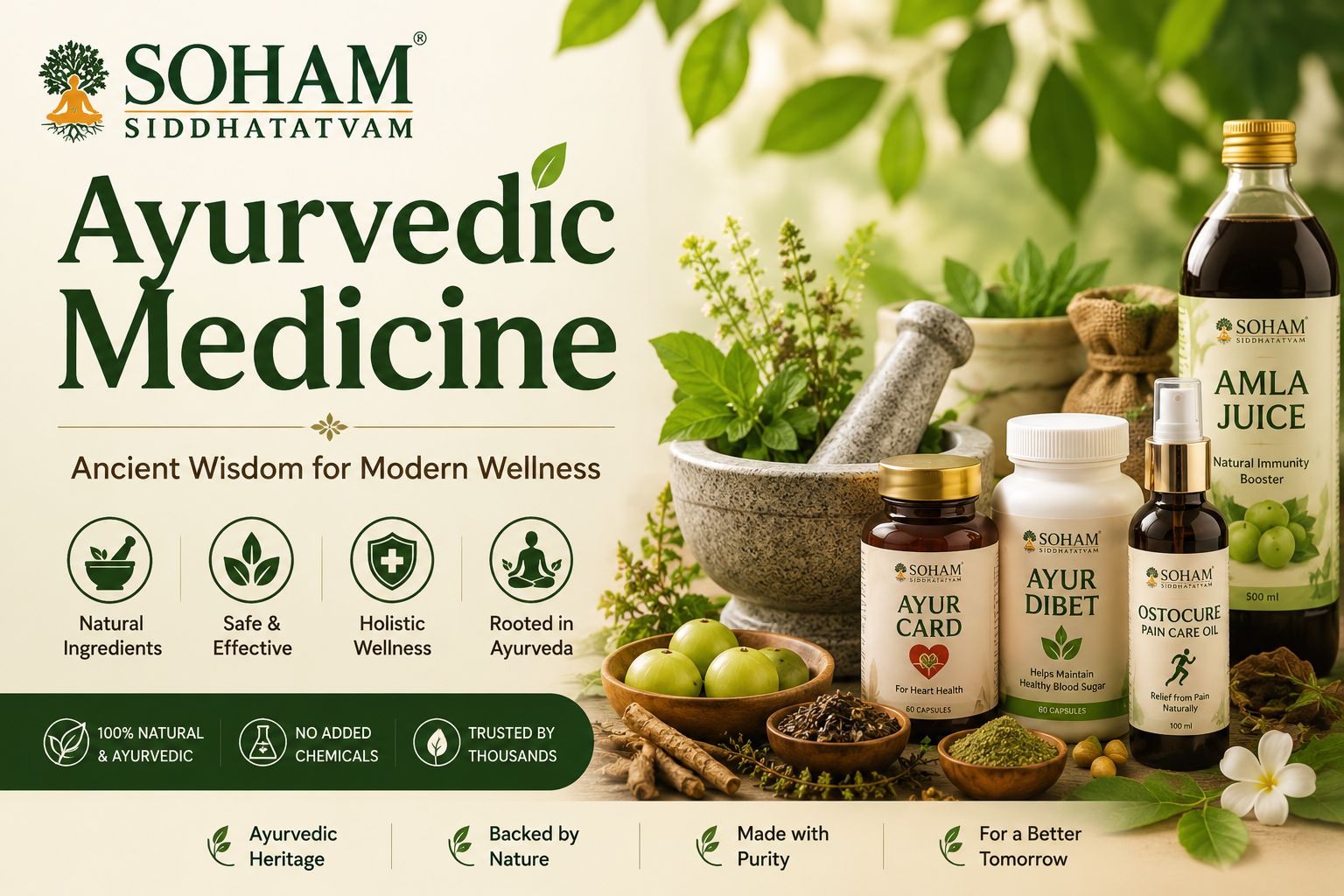
Ayurvedic Supplements: A Simple Guide to Daily Wellness
Modern life can make healthy living surprisingly difficult. Busy schedules, irregular meals, long working hours and everyday stress can leave many people looking for simple ways to support their overall wellness.
This is where Ayurvedic supplements can have a place in a balanced routine. Rooted in India's traditional system of Ayurveda, these herbal formulations are traditionally used to support different aspects of wellbeing, from daily vitality and digestion to hair, skin and general nourishment.
However, choosing an Ayurvedic product should not be about following every trend. It is about understanding traditional ingredients, using products thoughtfully and combining them with sensible lifestyle habits.
What Are Ayurvedic Supplements?
Ayurvedic supplements are formulations based on herbs and other traditionally used ingredients associated with Ayurveda. Depending on the formulation, they may be available as juices, capsules, oils, powders or herbal malts.
Unlike a one-size-fits-all approach, Ayurveda traditionally considers factors such as an individual's constitution, lifestyle, digestion, diet and overall balance when choosing wellness practices.
Today, Ayurvedic products are often incorporated into modern routines because they offer a way to connect traditional herbal knowledge with everyday wellness.
It is important to remember that supplements are intended to complement a healthy lifestyle, not replace nutritious food, regular physical activity or professional medical care when needed.
How Can Ayurvedic Supplements Support Everyday Wellness?
The role of an Ayurvedic supplement depends largely on its ingredients and intended use. Different herbs have different traditional applications, so the right product should be selected according to your specific wellness goal.
Some common areas of Ayurvedic wellness include:
- Daily Care: Supporting everyday vitality and general wellbeing.
- Hair Care: Traditionally used herbs and oils may help support healthy-looking hair and scalp care.
- Pain Care: Certain traditional herbal ingredients are used in massage and wellness routines for soothing comfort.
- Heart Care: Lifestyle-focused Ayurvedic products may complement habits that support cardiovascular wellness.
- Sugar Care: Some herbs are traditionally used as part of routines focused on maintaining healthy blood sugar levels.
- Skin Care: Botanical ingredients can be incorporated into routines for healthy-looking skin.
The key is to view these products as part of a broader wellness plan rather than expecting a single supplement to address every concern.
What Herbs Are Commonly Used in Ayurveda?
Ayurveda has a long tradition of using botanicals as part of food, lifestyle and wellness practices. The exact ingredients found in a formulation depend on its purpose.
Some well-known Ayurvedic herbs include:
Ashwagandha
Ashwagandha has traditionally been used in Ayurveda as a rejuvenating herb and is commonly associated with vitality and resilience. Modern consumers often include it in wellness routines focused on managing everyday stress and maintaining energy.
Amla
Amla, also known as Indian gooseberry, is a traditional Ayurvedic ingredient valued for its nutritional qualities. It is naturally associated with vitamin C and is commonly used in formulations intended to support general wellness.
Neem
Neem has a long history of traditional use in Ayurvedic skin and personal-care practices. Neem-based preparations are often incorporated into routines focused on maintaining healthy skin.
Turmeric
Turmeric is a familiar kitchen ingredient as well as a traditional Ayurvedic herb. Its naturally occurring compounds, particularly curcumin, have made turmeric popular in modern wellness products and traditional preparations.
Giloy
Giloy, traditionally known as Guduchi, has an established place in Ayurvedic herbal practice. It is traditionally used in formulations intended to support general vitality and wellbeing.
The presence of an herb alone does not determine whether a product is suitable for everyone. Formulation, dosage, quality, individual circumstances and how the product is used all matter.
How Do You Choose the Right Ayurvedic Supplement?
With so many herbal products available today, choosing one can feel overwhelming. A few simple checks can make the process more thoughtful.
1. Start With Your Wellness Goal
First identify what you actually want to support. Are you looking for a daily wellness product, hair-care support, a massage oil or a formulation focused on another specific area?
A clear goal makes it easier to compare products without buying unnecessary supplements.
2. Understand the Ingredients
Look at the ingredient list and learn about the traditional role of the herbs included. Avoid choosing a product simply because it contains a popular ingredient.
A well-formulated product should make its ingredients and recommended usage clear.
3. Look for Quality Standards
Quality matters when selecting herbal products. Manufacturing standards, ingredient sourcing and appropriate quality-control practices can provide greater confidence in what you are purchasing.
For example, Soham Siddhatatvam focuses on 100% organic Ayurvedic products manufactured with ISO and GMP-certified practices across categories such as Daily Care, Hair Care, Pain Care, Heart Care, Sugar Care and Skin Care.
4. Follow the Recommended Usage
More is not necessarily better. Always follow the manufacturer's recommended serving or application instructions.
If you are taking medicines, managing a health condition, pregnant or breastfeeding, speak with a qualified healthcare professional before adding a new supplement to your routine.
5. Consider the Whole Routine
An Ayurvedic supplement works best as one part of a sensible lifestyle. Sleep, nutrition, movement, hydration and stress management remain important foundations of wellbeing.
What Does Ayurveda Say About Balance?
One of the central ideas in Ayurveda is balance. Traditional Ayurvedic thinking considers health in relation to digestion, daily habits, seasonal changes, sleep, food and individual constitution.
Ayurveda also describes three doshas—Vata, Pitta and Kapha—which represent different functional principles in the body. Traditional Ayurvedic practices aim to maintain an appropriate balance between these principles rather than focusing only on isolated symptoms.
This perspective is particularly relevant today. Instead of asking only, "Which supplement should I take?", it can be useful to ask:
- Is my diet balanced?
- Am I sleeping consistently?
- Am I physically active?
- Do I have a manageable daily routine?
- Am I getting enough nourishing foods?
- What specific area of wellness do I want to support?
This broader approach helps keep Ayurvedic wellness practical and sustainable.
Can Ayurvedic Supplements Replace a Healthy Diet?
No. Supplements should not be viewed as substitutes for a varied, nutritious diet.
Traditional Ayurvedic wellness places considerable importance on food and daily routines. Modern nutritional science similarly recognises that a balanced diet provides a wide range of nutrients that cannot always be replaced by a single supplement.
If you're considering adding an Ayurvedic product to your routine, think of it as an addition to healthy habits, rather than a replacement for them.
Lifestyle and Diet Tips for Better Everyday Wellness
Whether or not you use Ayurvedic supplements, simple daily habits can make a meaningful difference to overall wellbeing.
Build Balanced Meals
Try to include a variety of vegetables, fruits, whole grains, pulses, nuts, seeds and appropriate protein sources in your meals.
Rather than relying heavily on packaged foods, make minimally processed foods the foundation of your everyday diet.
Maintain Regular Meal Times
Eating at broadly consistent times can make daily routines easier to maintain. Pay attention to hunger and fullness rather than routinely skipping meals or eating hurriedly.
Stay Hydrated
Keep water available throughout the day and drink regularly according to your needs, activity level and climate.
Prioritise Sleep
Adults generally benefit from a consistent sleep schedule and sufficient rest. Reducing late-night screen exposure and maintaining a relaxing bedtime routine can make winding down easier.
Move Every Day
Walking, yoga, strength training, cycling or another activity you enjoy can help make physical activity sustainable.
You don't necessarily need an elaborate fitness routine. Consistency is often more useful than doing too much for a short period.
Make Time for Stress Management
Breathing exercises, meditation, yoga, outdoor walks or simply taking short breaks during a busy workday can help create a healthier rhythm.
These habits are not replacements for professional care when someone is experiencing persistent or concerning symptoms, but they can contribute to a balanced lifestyle.
Are Ayurvedic Supplements Suitable for Everyone?
Not necessarily.
"Natural" does not automatically mean that a product is appropriate for every person. Herbal ingredients can interact with medicines or may not be suitable in certain circumstances.
Before using a new supplement, consider speaking with a qualified healthcare professional if you:
- Take prescription or regular medicines.
- Are pregnant or breastfeeding.
- Have an existing medical condition.
- Are preparing for surgery.
- Are considering supplements for a child or older adult.
- Have experienced an unexplained or persistent health concern.
If you have symptoms that are severe, unusual or continuing, professional medical evaluation should take priority over self-treatment.
Why Product Quality Matters
Ayurvedic wellness depends not only on traditional ingredients but also on how products are formulated, manufactured and handled.
When comparing Ayurvedic supplements, look for transparent ingredient information, clear usage instructions and credible manufacturing and quality practices.
This is particularly important when moving from traditional home remedies to commercially manufactured products. Consistency, hygiene and quality control can make the experience more reliable for consumers.
Soham Siddhatatvam brings this traditional wellness approach into a modern product range, offering Ayurvedic juices, capsules, oils and malts across multiple wellness categories. For readers exploring different formulations, the Ayurvedic Products collection provides a convenient starting point for understanding the range available.
Frequently Asked Questions About Ayurvedic Supplements
Are Ayurvedic supplements natural?
Many Ayurvedic supplements are formulated with plant-based or traditionally used herbal ingredients. However, "natural" is not a guarantee of safety or suitability. Always check the ingredients and follow recommended usage.
How long do Ayurvedic supplements take to work?
There is no universal timeframe. The experience can vary depending on the product, ingredients, individual factors and the purpose for which it is being used. Ayurvedic products should not be promoted with promises of instant or guaranteed results.
Can I take more than one Ayurvedic supplement?
Taking multiple products together is not automatically appropriate. Different formulations may contain overlapping ingredients, and some herbs can interact with medicines. Review the ingredients carefully and seek professional advice when necessary.
Are Ayurvedic supplements better than conventional supplements?
Neither category is automatically "better." The appropriate choice depends on your nutritional needs, wellness goals, ingredients, product quality and individual circumstances.
What should I look for in Ayurvedic products?
Look for transparent ingredient information, appropriate quality-control practices, clear directions and a formulation that matches your specific wellness goal. Avoid products that make exaggerated promises.
A Thoughtful Way to Add Ayurveda to Modern Life
Ayurveda offers more than a collection of herbs. Its traditional approach encourages attention to food, daily routines, digestion, rest, movement and balance.
Ayurvedic supplements can complement that philosophy when selected carefully and used as part of a healthy lifestyle. The goal should not be to search for a quick fix, but to build consistent habits that support your wellbeing over time.
Whether you're exploring herbal wellness for the first time or looking to refine an existing routine, start with your individual needs, understand the ingredients and choose quality products from a responsible source. Combined with nourishing food, adequate rest and regular movement, Ayurveda can become a practical part of a modern approach to everyday wellness.

