


Retaining Wall Construction Your Complete Guide to Sloped Property Solutions
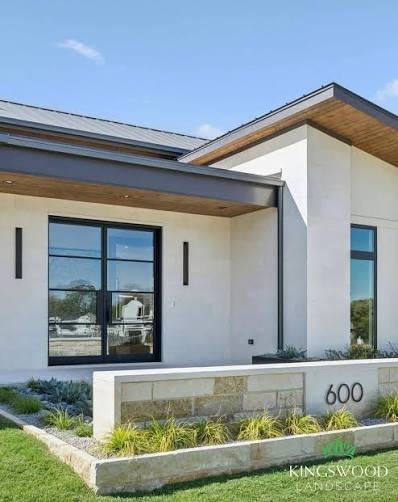
Sloped properties present unique challenges for homeowners, including erosion, unusable space, and foundation concerns, which is why professional retaining wall construction transforms challenging terrain into functional, beautiful landscapes that enhance property value and usability.
What Is Retaining Wall Construction?
Retaining wall construction is the process of building structural walls that hold back soil, creating level areas on sloped properties, managing erosion, preventing landslides, and establishing usable outdoor spaces while addressing drainage and structural requirements for long-term stability.
Why Retaining Walls Matter for Your Property
Retaining walls provide essential benefits including creating usable level areas on slopes, preventing soil erosion and landslides, managing water runoff and drainage, protecting foundations from water damage, and adding visual interest and structure to your landscape.
Understanding Soil Pressure and Structural Requirements
Retaining walls must withstand significant soil pressure, which increases with wall height, soil type, and water content, so proper retaining wall construction requires understanding of engineering principles, appropriate materials, and structural reinforcement to ensure safety and longevity.
Types of Retaining Walls
Retaining walls come in several types including gravity walls that rely on their own weight for stability, cantilever walls with reinforced concrete footings, anchored walls with cables or rods, sheet pile walls driven into the ground, and segmental block walls using interlocking concrete units.
Gravity Retaining Walls
Gravity retaining walls rely on their own weight to resist soil pressure, making them suitable for walls up to approximately four feet in height, with materials including poured concrete, stone, brick, and concrete blocks that provide mass and stability for shorter retaining applications.
Cantilever Retaining Walls
Cantilever retaining walls use reinforced concrete footings that extend beneath the retained soil, providing additional stability for taller walls, with the footing and stem working together to resist overturning and sliding forces that can compromise wall integrity.
Segmental Block Retaining Walls
Segmental block retaining walls use interlocking concrete units that are dry-stacked without mortar, relying on the blocks' weight and interlocking design for stability, with options including a wide range of colors, textures, and sizes that offer both structural performance and aesthetic appeal.
Anchored Retaining Walls
Anchored retaining walls incorporate cables, rods, or geogrids that extend into the retained soil, providing additional stability for tall or challenging walls, with anchors that resist soil pressure and prevent wall movement even under heavy loads and saturated conditions.
Materials for Retaining Wall Construction
Retaining wall materials include concrete blocks for durability and versatility, natural stone for beauty and uniqueness, poured concrete for custom designs, timber for rustic appeal, brick for classic aesthetics, and gabion baskets for environmentally sensitive applications.
Concrete Block Retaining Walls
Concrete blocks are among the most popular retaining wall materials, offering durability, strength, versatility, and a wide range of styles and colors, with segmental blocks designed specifically for retaining wall applications with interlocking features that provide structural stability.
Natural Stone Retaining Walls
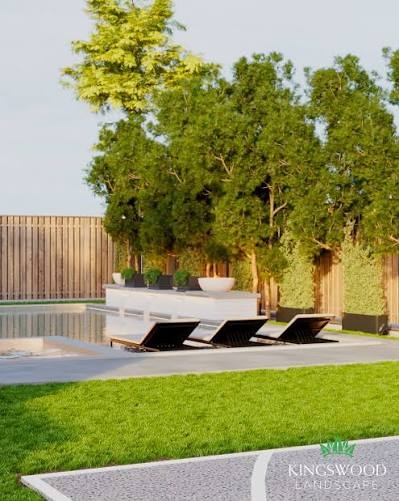
Natural stone retaining walls offer unmatched beauty and uniqueness, with options including limestone, granite, fieldstone, and flagstone that provide natural color variations and textures, though they typically require more skilled labor and higher budgets than manufactured materials.
Poured Concrete Retaining Walls
Poured concrete retaining walls offer custom design flexibility, strength, and durability, with options for finishing including stamped patterns, textured surfaces, and colored concrete that can mimic natural stone while providing structural integrity for tall or heavily loaded walls.
Timber Retaining Walls
Timber retaining walls offer a rustic, natural aesthetic appropriate for garden settings, using pressure-treated lumber or landscape timbers that are available at various price points, though they typically have shorter lifespans than masonry or concrete options and require regular maintenance.
Gabion Retaining Walls
Gabion retaining walls use wire baskets filled with rock or stone, offering a permeable, environmentally friendly solution for drainage, erosion control, and natural appearance, with flexibility that allows them to settle without failing and integrate with natural landscapes.
Design Considerations for Retaining Walls
Effective retaining wall design considers wall height and structural requirements, soil type and drainage conditions, aesthetic integration with your property, budget constraints, and local building codes that govern retaining wall construction.
Drainage Requirements for Retaining Walls
Proper drainage is essential in retaining wall construction to prevent hydrostatic pressure buildup behind the wall, which can cause failure, so incorporate gravel backfill, perforated drainage pipe, weep holes, and proper grading to manage water effectively and protect your wall.
Building Codes and Permits for Retaining Walls
Most retaining wall construction requires permits, particularly for walls exceeding three feet in height, so check with your local building department about requirements for engineering, permits, inspections, and setbacks that apply to your project.
Foundation Preparation for Retaining Walls
Proper foundation preparation is essential for retaining wall construction, including excavating to appropriate depths, compacting the subgrade to provide stable support, placing a leveling pad of compacted gravel or concrete, and verifying level alignment before wall construction begins.
Installation of Segmental Block Walls
Segmental block retaining wall installation involves excavating and preparing the base, placing a compacted gravel leveling pad, installing the first course of blocks ensuring level alignment, adding subsequent courses with interlocking connections, and incorporating drainage gravel and pipe behind the wall.
Reinforcement for Tall Retaining Walls
Tall retaining walls typically require reinforcement including geogrid or geotextile fabric extending into the retained soil, structural reinforcement through the wall, proper engineering design, and professional installation to ensure safety and structural integrity.
Geogrid Reinforcement Systems
Geogrid reinforcement involves layers of high-strength polymer mesh extending from the retaining wall into the retained soil, anchoring the wall and increasing stability, making it essential for taller segmental block walls and heavily loaded retaining applications.
Retaining Wall Drainage Systems
Drainage systems for retaining wall construction include gravel backfill that allows water to flow freely, perforated drainage pipe that collects and directs water away from the wall, weep holes that allow water to exit, and proper grading that directs surface water away.
Preventing Common Retaining Wall Failures
Common retaining wall failures include inadequate drainage causing hydrostatic pressure, insufficient base preparation allowing settlement, improper reinforcement for height, poor material selection for conditions, and lack of engineering for challenging sites, all preventable with professional design and installation.
Landscaping Around Retaining Walls
Landscaping complements retaining walls with plantings that soften appearances, groundcovers that cascade over wall faces, trees placed safely away from structures, and garden beds integrated above and below walls, though care must be taken to avoid damaging drainage systems.
Decorative Retaining Wall Finishes
Decorative finishes enhance retaining wall aesthetics, including cap stones that provide finished appearance, coloring and staining for concrete walls, textured surfaces that add visual interest, and plantings that integrate walls with surrounding landscapes.
Retaining Walls for Different Property Types
Residential retaining walls manage yard slopes and create garden spaces, commercial walls handle parking lot grades and building pads, agricultural walls manage pasture slopes, and public walls manage infrastructure slopes, each with specific design requirements and applications.
Cost Factors in Retaining Wall Construction
Retaining wall costs vary based on wall height and length, material selection, site conditions and access, drainage requirements, reinforcement needs, and labor rates, with simple low walls potentially costing thousands while tall engineered walls can exceed tens of thousands.
Maintenance of Retaining Walls
Ongoing maintenance for retaining walls includes inspecting for cracks and movement, ensuring drainage systems function properly, clearing weep holes of debris, addressing vegetation that may compromise the wall, and repairing minor damage before it becomes serious.
When to Hire a Professional for Retaining Wall Construction
Walls exceeding three feet in height, challenging soil conditions, complex drainage requirements, property with utility lines, and projects requiring permits all benefit from professional retaining wall construction with engineering expertise and proper installation techniques.
Questions to Ask Your Retaining Wall Professional
When interviewing retaining wall professionals, ask about their experience with walls of your height and type, understanding of drainage and reinforcement requirements, familiarity with local building codes, warranty coverage, and examples of similar completed projects.
Conclusion: Investing in Your Sloped Property
Retaining wall construction is a valuable investment that transforms challenging sloped properties into beautiful, functional landscapes, providing erosion control, usable outdoor space, enhanced property value, and lasting beauty that protects your property investment for years to come.

